Periactin (Cyproheptadine) – Patient-Friendly Guide (UK)
Periactin is a medicine containing cyproheptadine. It is an antihistamine used for several conditions, most commonly to help manage allergy symptoms and (in some situations) to support appetite. This page explains how Periactin works, what it’s used for, how to take it, and key safety information for people in the United Kingdom.
1. Basic product information
- Medicine: Periactin
- Active ingredient: Cyproheptadine
- Class: First-generation antihistamine (H1 receptor antagonist) with additional antiserotonin activity
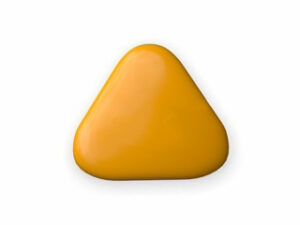
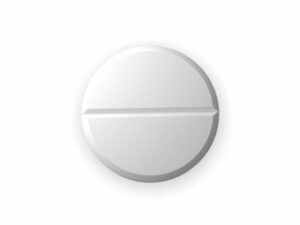
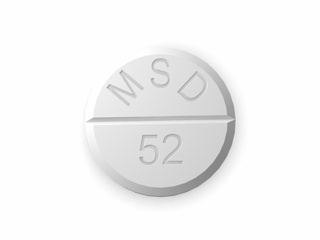
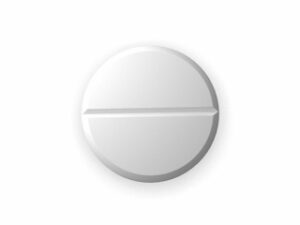
- Common formulations: Tablets (strengths vary by product presentation)
- How it’s supplied in the UK: Availability depends on the specific presentation and local supply; medicines may be supplied through pharmacies and may be subject to prescribing rules depending on intended use.
Note: Brand names and pack details vary. Always check the package leaflet for the exact strength and form you have.
2. How Periactin works (mechanism of action)
Cyproheptadine is best understood as a medicine with two main activity areas:
- Antihistamine effect (H1 blockade): It helps reduce the effects of histamine, a substance released by the body during allergic reactions. This can reduce symptoms such as itching, sneezing, and watery eyes.
- Antiserotonin effect (antagonism of serotonin receptors): Cyproheptadine can block certain serotonin receptors. This may influence appetite and other serotonin-related processes.
Because it is a first-generation antihistamine, it can also enter the brain more easily than newer (second-generation) antihistamines, which is why it may cause drowsiness.
3. Pharmacokinetics (how the body processes it)
Pharmacokinetics describes how the body absorbs, distributes, metabolises, and eliminates a medicine.
- Absorption: After oral dosing, cyproheptadine is absorbed through the gastrointestinal tract.
- Distribution: It can cross into the central nervous system, contributing to sedation. It distributes throughout the body.
- Metabolism: It is metabolised in the liver. The liver plays a significant role in clearing the drug from the body.
- Elimination: Metabolites are excreted mainly via urine and to a lesser extent via faeces.
- Duration: Clinical effects may last several hours; dosing schedules are tailored to the condition being treated and the patient’s age and response.
Important: Individual responses can vary widely. Age, liver function, other medicines, and alcohol use can affect how strongly and how long you feel the medicine’s effects.
4. Typical uses in the UK
Periactin may be used for different indications depending on clinical judgement and patient needs. Typical uses include:
- Allergic conditions: Relief of allergy symptoms where an antihistamine is appropriate.
- Appetite stimulation (selected situations): Cyproheptadine may be used in circumstances where clinicians aim to support appetite and weight gain.
- Other conditions: In some settings, it may be considered for conditions where its antihistamine and antiserotonin actions may be beneficial.
This page is for information only. Your clinician will advise on whether Periactin is suitable for your specific condition and medical history.
5. When and how to take Periactin (timing)
Timing can influence both effectiveness and side effects, particularly drowsiness.
- Often taken at night: Because cyproheptadine can cause sleepiness, some regimens are designed to be taken in the evening or at bedtime.
- Split dosing: If multiple doses are required, they may be spaced across the day to balance symptom control with sedation.
- Try consistent timing: Taking your doses around the same times each day can help maintain steady effects.
If you miss a dose: Take it as soon as you remember unless it is close to the next dose. If it’s nearly time for the next dose, skip the missed dose. Do not take a double dose to make up for it.
6. Food interactions and what to expect
Cyproheptadine is taken by mouth. Food can influence comfort and may alter how quickly you notice effects, though it generally does not require strict dietary restrictions.
- With or without food: Many people can take Periactin with or without meals. If it upsets your stomach, taking it with food may help.
- Grapefruit and similar products: There are no widely recommended grapefruit-specific cautions for cyproheptadine in patient guidance, but if you have liver concerns or take multiple medicines, it’s sensible to discuss dietary supplements and unusual foods with your pharmacist.
- Watch appetite: If taking Periactin for appetite-related reasons, you may notice increased hunger. This may affect weight and should be managed with guidance on nutrition.
7. Alcohol interactions and other medicines
Alcohol: Avoid or minimise alcohol while taking Periactin, because both can cause sedation and impair reaction time. Combining them can make drowsiness, dizziness, and coordination problems significantly worse.
Other medicines that may interact: Let your pharmacist know about all medicines you take, including over-the-counter products and herbal remedies. Particular caution is needed with:
- Other sedating medicines: e.g., sleeping tablets, tranquillisers, opioid pain medicines, some antidepressants, and other antihistamines.
- Medicines that affect the brain or alertness: Anything that causes drowsiness may add to cyproheptadine’s sedative effects.
- Antidepressants and anticholinergic medicines: Cyproheptadine can have anticholinergic-like effects (such as dry mouth or blurred vision in some people). Combining with other anticholinergic agents may increase side effects.
- Medicines for asthma or allergies: Do not double up on antihistamines without advice.
Driving and operating machinery: Periactin may cause drowsiness, particularly at the start of treatment or after dose changes. If you feel sleepy, do not drive or use machinery.
8. Indications – what Periactin may be used for
“Indications” are the medical conditions a medicine is used to treat or help. In the UK context, Periactin may be used for:
- Allergic symptoms: Such as itching, sneezing, and other histamine-related complaints.
- Appetite support: In certain clinical situations where appetite stimulation is desired and deemed appropriate.
- Other specialist uses: Depending on local practice and clinical assessment.
Important: The exact use for an individual depends on age, symptoms, other health conditions, and the advice of healthcare professionals.
9. Dosing (general guidance)
Dosing varies by condition, age, and response. Always follow the dosing instructions provided with your specific product. Below is general guidance-style information, not a personal prescription.
| Patient group | Typical approach (general) | Key notes |
|---|---|---|
| Adults | Usually started at a modest dose; adjusted based on response and side effects. | Due to drowsiness, evening dosing may be used. |
| Elderly | Often require extra caution; dose may be lower. | Sedation, dizziness, and confusion can be more problematic. |
| Children | Dose depends strongly on age and indication. | Only use dosing guidance appropriate for children, and ensure correct product strength. |
| People with liver impairment | May require caution and tailored dosing. | Because metabolism is liver-dependent, discuss with a clinician. |
How to measure/take: If you are using tablets, swallow with water. If your product is scored, use the scored line only if your pharmacist confirms it’s appropriate for splitting. For liquid formulations (if available), use the provided measuring device.
If side effects occur: If you experience significant drowsiness, agitation, or other worrying symptoms, contact your pharmacist promptly. Do not stop suddenly unless advised—however, if a serious reaction is suspected, seek urgent medical help.
10. Safety profile – side effects and warnings
Most people tolerate Periactin well, but like all medicines it can cause side effects. Some side effects are more likely at the start of treatment or with higher doses.
Common side effects
- Drowsiness / tiredness
- Dizziness
- Dry mouth
- Constipation
- Blurred vision (in some people)
- Increased appetite (can lead to weight gain)
Less common but important side effects
- Urinary retention (difficulty passing urine), especially in people with prostate enlargement or bladder outlet obstruction
- Confusion (more likely in older adults)
- Agitation or restlessness (sometimes seen instead of sedation, particularly in children)
Seek urgent medical advice if you notice
- Signs of allergy: swelling of face/lips, trouble breathing, rash with blistering
- Severe confusion, fainting, or a very fast heartbeat
- Severe muscle stiffness, fever, or other serious reactions
Who should take extra care?
- People prone to glaucoma or eye pressure problems
- People with urinary problems, enlarged prostate, or bladder obstruction
- Those with liver disease
- Older adults, due to higher risk of sedation and confusion
- People taking other sedating medicines
11. Practical use tips (how to get the best results)
- Start low and observe: If you’re new to cyproheptadine, be cautious with activities requiring alertness, especially the first few doses.
- Plan around sleep: If it makes you sleepy, consider taking it in the evening (only if your regimen allows).
- Hydrate and manage constipation: Dry mouth and constipation can occur—drink water and consider a diet with fibre if appropriate.
- Be mindful of appetite changes: If appetite stimulation is the goal, track changes in eating patterns and weight. If weight gain becomes excessive, speak to a clinician or dietitian.
- Keep a simple symptom diary: Note timing, dose, drowsiness level, and symptom changes. This helps you and your pharmacist review suitability.
- Check labels every time: Ensure you use the correct strength and medicine name (especially if you also have other antihistamines at home).
12. Alternative options
If Periactin is not suitable, there may be alternatives depending on what you’re treating. Possible options include:
- Second-generation antihistamines: Often less sedating, such as cetirizine, loratadine, or fexofenadine (availability and suitability depend on the condition).
- Non-drowsy allergy treatments: Intranasal corticosteroids for allergic rhinitis, or antihistamine eye drops for eye symptoms.
- Appetite/weight support alternatives: Nutritional support and condition-specific approaches may be considered where appetite is affected.
- Condition-specific specialist treatments: Some uses of cyproheptadine are addressed with other targeted therapies depending on diagnosis.
Tip: Don’t combine antihistamines unless advised. Taking multiple antihistamines can increase side effects without improving control.
13. UK market and legal context
In the UK, medicines are regulated by UK health authorities and supplied through pharmacies under established frameworks. Availability and whether a medicine can be supplied without a prescription depends on its legal status, the product presentation, and the intended use. Some antihistamines may be available over the counter, while others may require advice or be restricted to specific pathways.
Always follow UK product packaging and pharmacy guidance for how Periactin is supplied and used. Your pharmacist can confirm the legal supply route for the specific pack you’re buying.
14. Recent guidance and public health considerations
UK allergy and medication safety guidance commonly emphasises:
- Choosing the least sedating option when daytime functioning is important, especially for working-age adults.
- Avoiding alcohol and other sedatives with medicines that cause drowsiness.
- Reviewing ongoing need for antihistamines to reduce unnecessary long-term use and side effects.
- Tailoring treatment by age, because children and older adults may experience different side effect patterns.
Local pharmacy and clinical guidance may evolve. If you’re unsure whether Periactin remains appropriate for your situation, ask your pharmacist about current best practice.
15. Delivery and availability (UK)
Periactin availability may vary depending on stock levels and the specific product strength/form. When ordering online through a pharmacy:
- Dispatch times: Often depend on whether the item is in stock locally.
- Delivery options: Standard and faster delivery may be available; delivery times vary by region.
- Packaging: Medicines should arrive in tamper-evident packaging with clear labelling.
- Cold chain: Periactin is typically not a cold-chain product.
For best results: Order ahead of planned start dates and keep track of expiry dates on delivery.
16. FAQ – Frequently asked questions
Is Periactin the same as cyproheptadine?
Yes. Periactin is the brand name. The active ingredient is cyproheptadine.
Will Periactin make me sleepy?
It can. Drowsiness is a common effect, especially when you start taking it or when the dose is increased. If you feel sleepy, avoid driving and do not operate machinery.
Can I take Periactin with food?
Many people can take it with or without food. If it irritates your stomach, taking it with a meal may help.
Can I drink alcohol while taking Periactin?
It’s best to avoid alcohol, or at least keep it to a minimum, because the combination can worsen drowsiness and impair reaction time.
What should I do if I miss a dose?
Take it when you remember unless it’s close to the next dose. Skip the missed dose if you are near the next scheduled dose. Do not take a double dose.
What side effects are most likely?
Drowsiness, dizziness, dry mouth, constipation, and sometimes blurred vision are relatively common. Increased appetite may occur in some people.
Is Periactin suitable for children?
It can be used in children in selected circumstances, but dosing must be age-appropriate and carefully adjusted. Always ensure you use the correct formulation and follow advice from a qualified healthcare professional.
Can I take other allergy medicines at the same time?
Be cautious. Taking more than one antihistamine may increase side effects. Ask a pharmacist before combining Periactins with other allergy tablets, syrups, or combination cold and flu products.
Does Periactin affect appetite and weight?
Cyproheptadine can increase appetite in some people. If you are taking it for appetite support, changes in eating and weight may be expected. Monitoring is recommended, especially if weight gain occurs more than anticipated.
What if I have glaucoma or prostate/urine problems?
Cyproheptadine may worsen some urinary retention or eye-related conditions due to its anticholinergic-type effects in susceptible individuals. Discuss your medical history with a pharmacist before use.
When will I notice improvement?
For allergy-related symptoms, effects may be noticed within hours. For appetite-related goals, changes may take days to become noticeable. If you see no benefit after the expected time frame, speak to your pharmacist or clinician.
17. Summary
Periactin (cyproheptadine) is a first-generation antihistamine with additional antiserotonin activity. It can help relieve allergy symptoms and, in selected circumstances, support appetite. Because it can cause drowsiness and other anticholinergic-type side effects, it’s important to manage timing, avoid alcohol, and be cautious when taking other sedating or allergy medicines. If you’re unsure about suitability or interactions, speak with a pharmacist—especially if you are elderly, have liver problems, or have glaucoma or urinary difficulties.