

Azulfidine (Sulfasalazine) – Patient-Friendly Guide (United Kingdom)
Azulfidine contains the active ingredient sulfasalazine. It is used mainly to control inflammation in certain bowel and joint conditions. This guide explains how it works, how it’s taken, what to expect, and what safety considerations matter for people in the UK.
Important: Always follow the dosing plan provided by your healthcare professional. If you have questions about side effects, interactions, or whether Azulfidine is suitable for you, seek medical advice.
1) Basic product information
| Item | Details |
|---|---|
| Brand name | Azulfidine |
| Generic name | Sulfasalazine |
| Medicine type | Disease-modifying anti-rheumatic drug (DMARD) and anti-inflammatory for bowel disease |
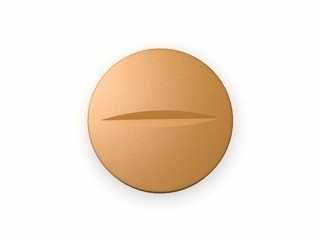
| How it is taken | Oral tablets (dose schedules may vary) |
| Common uses | Ulcerative colitis; rheumatoid arthritis (RA) |
| Available strengths | Depends on local product presentation (check your pack) |
2) What does Azulfidine do? (Mechanism of action)
Sulfasalazine is a “prodrug” that works primarily in the gut. After it is swallowed, most of the drug is broken down by bacteria in the colon into two main components:
- 5-aminosalicylic acid (5-ASA/mesalazine), which has anti-inflammatory effects in the bowel
- Sulfapyridine, which contributes to the overall immunomodulatory effect
In inflammatory conditions such as ulcerative colitis and some types of inflammatory arthritis, sulfasalazine helps reduce inflammatory signals. Its exact mechanism is complex and involves effects on the immune response and inflammatory pathways.
3) Pharmacokinetics: how your body handles sulfasalazine
Pharmacokinetics describes what the body does to a medicine (absorption, distribution, metabolism, and elimination).
- Absorption: Sulfasalazine is not fully absorbed in the upper gastrointestinal tract. Significant breakdown occurs in the colon.
- Metabolism: Gut bacteria cleave sulfasalazine into 5-ASA and sulfapyridine.
- Distribution: The metabolites can be absorbed and distributed to body tissues, though levels and exposure vary between individuals.
- Elimination: Metabolites are eliminated mainly through the kidneys (urine) and partially via the gut.
- Variable response: Timing of onset and blood test results may vary based on the condition being treated, dose, and individual factors (including liver and kidney function).
4) Typical uses and indications in the UK
Azulfidine (sulfasalazine) is used for specific inflammatory diseases. Depending on your diagnosis, it may be used alone or in combination with other medicines.
Ulcerative colitis
- Management of mild to moderate ulcerative colitis
- Helping maintain remission in some patients
Inflammatory arthritis
- Rheumatoid arthritis: used as a DMARD to reduce inflammation and slow disease progression
- Other inflammatory joint conditions may be considered by clinicians in selected cases
Your healthcare professional will choose the most appropriate option based on your condition, severity, past response to treatment, and your overall health.
5) How and when to take Azulfidine
Sulfasalazine dosing schedules often start gradually and may be adjusted over time. Your exact plan depends on the condition you are treating and how you tolerate the medicine.
General timing
- Many people take doses in divided doses throughout the day to reduce stomach upset.
- If you experience side effects, your clinician may advise adjusting the schedule or increasing dose more slowly.
- Consistency matters: take your doses at similar times each day.
Starting doses and dose adjustments
Common practice in inflammatory bowel disease and rheumatoid arthritis includes a gradual escalation to reduce early adverse effects. Follow your prescriber’s titration instructions.
How to take tablets
- Swallow tablets with water.
- Do not crush or chew unless your specific product allows it.
- Keep track of doses and use reminders if helpful.
6) Dosing overview (typical ranges)
The following information is for guidance and may not match your personal regimen. Your exact dose should come from your healthcare professional and your product label.
Do not change your dose without medical advice. If you miss a dose, follow the instructions provided with your medicine or contact your pharmacist.
Ulcerative colitis (typical practice)
- Often started at a lower dose and increased as tolerated
- Maintenance dosing may be lower than initial therapy
Rheumatoid arthritis (typical practice)
- Commonly titrated upward gradually
- Response may take weeks to months
Because dosing differs between products and individuals, always refer to your medicine packaging and local clinician instructions. If you’d like, you can share your tablet strength (e.g., 500 mg) and your prescribed schedule, and your pharmacist can help you interpret it safely.
7) Food interactions and practical eating guidance
Food can affect tolerance with sulfasalazine, especially because it can cause nausea or stomach discomfort in some people.
Can I take Azulfidine with food?
- Many people are advised to take sulfasalazine with meals or after food to reduce gastrointestinal upset.
- If your stomach feels unsettled, taking the dose with a snack can be helpful (unless your clinician advises otherwise).
Diet considerations
There are no specific “banned” foods for sulfasalazine in most patients. However, if you develop nausea, appetite changes, or diarrhoea, maintaining hydration and a regular meal pattern can improve comfort.
8) Alcohol and medicine interactions
Alcohol
There isn’t a universally defined “safe amount” of alcohol for everyone on sulfasalazine. The main concerns are liver strain and increased side effects such as dizziness or nausea.
- If you drink alcohol, consider keeping it low and avoid binge drinking.
- If you have liver problems or a history of abnormal liver function tests, discuss alcohol use with your clinician.
Important medicine interactions
Sulfasalazine can interact with other medicines. Key interaction themes include effects on blood counts, kidney function, and folate levels.
- Folate antagonism: Sulfasalazine can reduce folate (vitamin B9) levels. Your healthcare professional may recommend folic acid supplementation.
- Blood-thinning medicines (anticoagulants): Some interactions may occur. Monitoring may be needed.
- Other immunosuppressants/DMARDs: Combining medicines may increase the risk of infection or blood count changes.
- Medicines affecting bone marrow: Combining with medicines that also suppress bone marrow can increase risk of low blood cells.
- Kidney function: If you take medicines that affect renal function, your clinician may monitor more closely.
For the safest plan, tell your pharmacist or clinician about all medicines you take, including over-the-counter products, herbal remedies, and supplements.
9) Safety profile: common and serious side effects
Like all medicines, sulfasalazine can cause side effects. Many are mild and improve as your body adjusts, but some require prompt medical attention.
Common side effects
- Nausea or upset stomach
- Loss of appetite
- Headache
- Dizziness or tiredness
- Orange-yellow discolouration of urine (can occur and is usually not harmful)
- Rash (mild skin reactions)
Blood and laboratory effects (monitoring may be required)
Sulfasalazine can affect blood cell counts. Your clinician may request regular blood tests, such as:
- Full blood count (FBC)
- Liver function tests
- Kidney function tests (creatinine/eGFR)
Serious side effects (seek medical advice urgently)
Get prompt medical help if you experience:
- Signs of allergy: swelling of face/lips, difficulty breathing, severe rash, or blistering skin
- Unusual bruising or infections: fever, sore throat, persistent infections (possible low white cells)
- Severe tiredness or pallor (possible anaemia)
- Yellowing of the eyes/skin (jaundice) or dark urine with other symptoms (possible liver issues)
- Severe or persistent diarrhoea, especially with fever or blood in stool (may indicate worsening bowel disease or another problem)
- New or worsening shortness of breath or chest symptoms (rare lung reactions are reported)
Who should use extra caution?
- People with liver or kidney disease
- Those with a history of blood disorders
- Individuals with known sulfonamide (sulfa) allergy
- People with slow acetylator status may experience different exposure (clinicians may consider this)
10) Practical use tips for better tolerance
The following strategies can help many people take sulfasalazine more comfortably.
- Take with food to reduce nausea (unless your clinician advises otherwise).
- Start slowly as instructed—gradual dose increases often improve early tolerance.
- Stay hydrated, especially if you experience loose stools.
- Keep to your monitoring schedule for blood tests if you are asked to attend them.
- Use reminders (phone alarm or pill organiser) to avoid missed doses.
- Track symptoms (e.g., bowel frequency, joint pain, fever, rashes) and report significant changes.
- Be aware of “expected” changes: orange-yellow urine can occur.
If you experience bothersome side effects, don’t simply stop suddenly. Contact your pharmacist or clinician for advice on dose adjustments or supportive measures.
11) Effectiveness: when will I feel better?
The time to benefit can differ by condition:
- Ulcerative colitis: some people notice improvement within days to weeks, but full benefit may take longer.
- Rheumatoid arthritis: improvement may take several weeks to months. DMARD effects build gradually.
If your symptoms don’t improve or worsen, speak to your healthcare professional rather than adjusting the dose yourself.
12) Alternative options (depending on diagnosis)
For ulcerative colitis, rheumatoid arthritis, and related inflammatory conditions, several alternative medicines may be considered. The “best” option depends on your disease severity, past treatments, comorbidities, and laboratory results.
Ulcerative colitis alternatives
- Mesalazine (5-ASA) preparations (often preferred for some patients)
- Corticosteroids for short-term control in flares (where appropriate)
- Immunomodulators (selected cases)
- Biologic therapies for more severe or refractory disease (specialist-led)
Rheumatoid arthritis alternatives
- Other DMARDs such as methotrexate (commonly used)
- Combination DMARD therapy in some cases
- Biologic therapies or targeted therapies (specialist-led)
Your clinician will select alternatives based on what has worked for you before, your test results, infection risk, and potential side effects. If you are considering switching, ask about tapering or bridging strategies.
13) Market and legal context in the United Kingdom
In the UK, sulfasalazine products such as Azulfidine are regulated medicines and are distributed through licensed routes. Availability depends on product supply, pack size, and local pharmacy stock.
Healthcare professionals consider Azulfidine within established treatment pathways for inflammatory diseases. In practice, choices may include sulfasalazine, mesalazine preparations, or other DMARD/biologic options depending on the clinical scenario.
Recent guidance (high-level)
Treatment recommendations for ulcerative colitis and rheumatoid arthritis are updated periodically by professional bodies and specialist groups. Common themes in recent guidance include:
- Treat-to-target approaches (aiming for symptom control and reduced inflammation)
- Regular monitoring for safety and response
- Individualised selection of therapies based on disease severity and patient factors
- Considering medication choice and dosing alongside immunisation and infection risk for long-term anti-inflammatory treatment
Your clinician can confirm what current pathway applies to you.
14) Delivery and availability (UK)
Availability can vary by pharmacy and supplier schedules. When ordering online, availability is often shown at checkout based on local stock and standard fulfilment processes.
- Dispatch: delivery timelines typically depend on when the order is placed and stock status.
- Packaging: medicines are usually supplied in tamper-evident packaging with patient information.
- Tracking: some services provide tracking information once dispatched.
If you have a time-sensitive need (e.g., you are due to start therapy or are close to running out), contact customer support for the most accurate delivery estimate.
15) Frequently asked questions (FAQ)
1) Is Azulfidine the same as sulfasalazine?
Yes. Azulfidine is a brand name for medicines containing sulfasalazine.
2) What should I do if I miss a dose?
Follow the guidance provided with your medicine. In general, if you forget a dose, take it when you remember unless it’s close to the next dose. Avoid doubling up. If you’re unsure, ask your pharmacist.
3) Will sulfasalazine affect my urine colour?
It can. Sulfasalazine may cause orange-yellow discolouration of urine. This is often not dangerous, but report unusual symptoms to your clinician, particularly if you feel unwell or have burning pain when urinating.
4) How long does it take to work for rheumatoid arthritis?
RA benefits are gradual. Many people notice changes after weeks, with fuller effect possibly taking several months.
5) Can I take it with meals?
Often yes, and taking it with food can reduce stomach upset. If your clinician provided different instructions, follow those instead.
6) Do I need blood tests while taking Azulfidine?
Frequently, yes. Monitoring blood counts and liver/kidney function helps detect side effects early, especially during the first months. Your healthcare professional will advise the schedule.
7) Does it affect folic acid levels?
Sulfasalazine can reduce folate levels. Many patients are advised to take folic acid or have monitoring, depending on the situation. Ask your pharmacist or clinician about supplementation suitable for you.
8) Can I drink alcohol while taking sulfasalazine?
Keep alcohol intake low and avoid binge drinking. If you have liver issues or abnormal liver tests, discuss alcohol with your clinician. If you notice worsening side effects after alcohol, stop and seek advice.
9) What interactions should I be aware of?
Tell your healthcare team about all medicines and supplements. Key interaction concerns include drugs affecting blood counts, anticoagulants, folate status, and medicines that impact liver or kidney function.
10) Are there any red-flag symptoms?
Yes. Seek urgent medical help for signs of allergy (swelling, breathing difficulty), severe rash, persistent fever or infections, jaundice (yellow eyes/skin), or severe unexplained illness.
16) When to seek medical advice
Contact your clinician or pharmacist promptly if you experience:
- Severe or persistent vomiting, diarrhoea, or dehydration
- Rash that is spreading, blistering, or associated with fever
- Unusual bruising, bleeding, persistent sore throat, or repeated infections
- Yellowing of the skin/eyes or dark urine with fatigue
- Breathing difficulties or chest symptoms
If you have concerns about safety, do not wait for the next appointment—get advice sooner.
Summary: Azulfidine (sulfasalazine) helps control inflammation in selected bowel and joint conditions. It works mainly after conversion in the colon into active components. Many people take it with food and benefit from gradual dose escalation and regular monitoring. If you notice significant side effects or warning symptoms, seek medical advice.