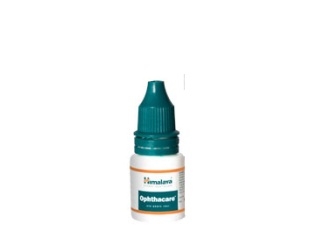

Ophthacare Eye Drops – Patient Guide (UK)
Ophthacare is an eye care medicine used to help relieve discomfort and support eye surface health. It is commonly used for dryness, irritation, and symptoms related to ocular surface stress. This guide explains what Ophthacare is, how it works, when to use it, what to watch out for, and practical tips for safe use in the United Kingdom.
Note: Always read the package leaflet supplied with your product. If you are unsure whether Ophthacare is right for you, speak to a pharmacist or other healthcare professional.
Quick product information
| Product name | Ophthacare |
|---|---|
| Type | Eye drops/ocular lubricant (formulation varies by pack) |
| Common uses | Dryness, irritation, discomfort, and supportive care for the eye surface |
| How it’s used | Administer into the affected eye(s) as directed |
| Typical dosing approach | Often multiple times daily depending on symptoms |
| Who can use it | Adults and, in some cases, children (confirm age guidance on your leaflet) |
| Availability | Supplied by UK online pharmacies and retailers according to product classification |
How Ophthacare works (mechanism of action)
Ophthacare works by improving the comfort and stability of the eye’s surface.
- Lubrication and wetting support: The formulation helps reduce friction between the eyelid and the ocular surface, helping to soothe dryness-related irritation.
- Moisture retention: Many eye lubricants are designed to spread across the tear film and prolong comfort, particularly in environments that worsen dryness (air conditioning, heating, screens).
- Symptom relief: By supporting the tear film and eye surface, Ophthacare may help ease sensations such as grittiness, burning, stinging, and mild irritation.
Important: Ophthacare is intended to treat symptoms and supportive eye surface care. It does not replace treatments for infections or serious eye disease. If you suspect an infection, significant inflammation, or injury, seek medical advice urgently.
Pharmacokinetics (how the body handles it)
Eye drops act locally on the surface of the eye. Because Ophthacare is applied topically, systemic absorption is generally low.
- Local action: The active ingredients (or supportive components) spread on the eye surface to improve comfort.
- Limited systemic exposure: Most of the medicine remains in the tear film and is cleared by normal tear drainage (through the nasolacrimal system).
- Metabolism/excretion: Any swallowed portion (for example, if excess drops run down the face) is typically handled like other small amounts of substances by normal digestive clearance pathways.
Actual pharmacokinetic behaviour depends on the exact Ophthacare formulation in your pack. For precise details, refer to the leaflet or product information supplied with your specific bottle.
Typical use – what it’s for
Ophthacare is commonly used for:
- Dry eye symptoms including burning, stinging, and a gritty or uncomfortable feeling
- Eye surface irritation from environmental factors such as wind, smoke, dust, air conditioning, or prolonged screen use
- Supportive relief when the eye’s natural tear film feels unstable
- Comfort care for people who need frequent lubrication to maintain comfort
Not for: If you have symptoms suggesting infection (e.g., marked discharge, severe pain, fever) or an eye emergency (e.g., sudden vision loss, chemical splash, severe trauma), use urgent medical care rather than relying on eye drops alone.
Indications and when you might notice improvement
Ophthacare is indicated for relief of symptoms linked to ocular dryness and eye irritation.
- Expected timing of comfort: Many users experience soothing relief within minutes as the drops spread across the eye.
- Ongoing symptom control: For day-to-day dryness, the benefit often depends on regular use.
If symptoms persist beyond a few days of consistent use, worsen, or are accompanied by pain, redness that does not improve, light sensitivity, or changes to vision, stop and seek clinical advice.
How to use Ophthacare (dosing and administration)
Typical dosing (general guidance)
Unless your leaflet or healthcare professional advises otherwise, eye lubricants are often used as follows:
- Adults: Usually 1–2 drops in the affected eye(s) up to several times daily (commonly 2–4 times daily), depending on symptoms and the product strength.
- Children: Use only if the leaflet permits and doses are appropriate for the child’s age. Confirm guidance with a pharmacist if unsure.
Follow the leaflet for the exact frequency for your specific Ophthacare pack. Overuse can increase discomfort for some people, especially if preservatives are present.
Step-by-step practical administration tips
- Wash your hands thoroughly.
- Check the bottle for expiry and cleanliness of the tip (avoid touching the dropper to the eye).
- Open the bottle and tilt your head slightly back.
- Gently pull down the lower eyelid to create a small pocket.
- Instil one drop into the lower eyelid pocket (avoid blinking immediately over the drop).
- Close your eye gently and keep it closed for about 1 minute.
- Wipe away excess with clean tissue.
- Replace the cap securely.
How often to use (timing)
Choose a schedule that matches your symptoms. Typical timing patterns include:
- Morning: If your eyes feel worst on waking.
- During the day: Particularly if you work on screens for long periods or are in dry/windy environments.
- Evening: To support overnight comfort and bedtime reading.
- Before bedtime: Some people benefit from an extra drop before sleep.
If your symptoms fluctuate, you may need to adjust frequency. If you are using multiple eye products, keep timing separated (see the section on medicine interactions).
How quickly it takes effect
Ophthacare is designed to work locally, so comfort may improve within minutes. However, if your dryness is due to underlying conditions (e.g., blepharitis, significant meibomian gland dysfunction, autoimmune-related dryness), you may require additional assessment and targeted treatment.
Seek medical advice if there is no improvement after several days of correct use, or if symptoms worsen.
Food interactions
Because Ophthacare is used in the eye, food interactions are not expected in the usual sense. However:
- Swallowing small amounts: Eye drops may drain into the throat. This is generally minimal and unlikely to be affected by meals.
- General health considerations: If you have severe swallowing difficulties or are at risk of aspiration, speak to a pharmacist for advice.
If you are taking other medicines or have chronic conditions, confirm suitability with a pharmacist—especially if your eyelids or tear film require more specialised therapy.
Alcohol and medicine interactions
Alcohol
There is no known direct interaction between Ophthacare and alcohol because systemic exposure from eye drops is usually low. However, alcohol can worsen dehydration and may aggravate dry-eye symptoms in some people.
- If your dryness tends to flare after alcohol, consider using Ophthacare more regularly on such days.
- If you notice increased stinging or discomfort after alcohol, discontinue and seek advice.
Interactions with other medicines
Eye drop users often use more than one product (for example, prescription eye drops, antihistamine drops, lubricating gel, or ointments). Interactions depend on the other products you use.
- Spacing is important: If you use multiple eye medications, leave a gap of at least 5–10 minutes between products unless your pharmacist advises otherwise.
- Last to use: Typically, lubricating drops are used after medicated drops (but follow your leaflet or pharmacist’s advice).
- Contact lenses: Many people with dry eye use drops alongside lens wear. Check your product leaflet and lens guidance (see below).
If you are using other eye drops or eye ointments, list them to your pharmacist to confirm an appropriate routine.
Safety profile and precautions
Common side effects
Like all eye medicines, Ophthacare may cause side effects. Not everyone will get them. Possible mild, temporary effects include:
- Temporary blurred vision (usually clears quickly)
- Mild stinging or burning immediately after instillation
- Watery eyes or slight irritation
If side effects persist or significantly worsen, stop using the product and seek advice.
Allergy and intolerance
Seek urgent advice if you develop signs of an allergic reaction, such as:
- significant swelling of the eyelids
- itching that rapidly increases
- rash or breathing difficulty
Who should take extra care
- Contact lens wearers: Some eye drops contain ingredients not suitable for contact lenses. Follow the leaflet carefully.
- History of eye surgery or chronic eye disease: Get tailored advice for safe routines.
- People with recurrent redness or pain: Dry eye drops may not address the underlying cause.
When to stop and get medical help
Stop using Ophthacare and seek medical attention urgently if you experience:
- severe eye pain
- significant or worsening redness
- sudden or marked change in vision
- light sensitivity
- injury to the eye
- a suspected chemical splash
- pus-like discharge or symptoms of infection
- no improvement after consistent use as directed
Practical use tips for the best results
- Remove contact lenses before instilling: If your leaflet advises, take out lenses first. Wait before reinserting to avoid contamination or irritation.
- Reduce screen strain: Try the “20-20-20” rule—every 20 minutes, look 20 feet away for 20 seconds.
- Consider environmental changes: Use a humidifier, avoid direct airflow from fans/air vents, and wear sunglasses outdoors if windy.
- Use consistently: For chronic dryness, a steady routine often works better than waiting until symptoms become severe.
- Keep the tip clean: Avoid contact between the bottle tip and the eye or eyelids.
- Check expiration after opening: Some products have a limited period after first opening. Record the date of opening if required.
- Driving and machinery: If your vision blurs after use, wait until it clears before driving.
Alternative options (UK)
If Ophthacare isn’t suitable, not enough for your symptoms, or you need a different approach, alternatives include:
- Other lubricating eye drops (water-based lubricants, carbomer/gel preparations, hyaluronic acid products)
- Eye gels or ointments for longer-lasting moisture, often used at night
- Preservative-free lubricants if you need frequent drops or have sensitive eyes
- Management of underlying causes such as eyelid cleaning/heat compresses for blepharitis (where appropriate)
Different causes require different treatments. For example, if your discomfort is driven by inflammation, allergy, or infection, you may need a different medicine type. A pharmacist or optometrist can help identify what’s most appropriate.
Market and legal context in the United Kingdom
In the UK, medicines and medical devices are regulated to ensure quality, safety, and consistency of supply. Eye products may be classed differently depending on their ingredients and intended use. Many lubricating eye drops are sold as non-prescription medicines or pharmacy-only products, while other eye medicines may require supervision by a healthcare professional.
- Quality and labelling: Products supplied in the UK must have clear labelling and patient information.
- Pharmacy sourcing: Online pharmacies typically ensure products are obtained through authorised supply chains.
- Patient safety: UK guidance encourages appropriate use and escalation when symptoms suggest a more serious problem.
Recent guidance (general trends): UK healthcare advice continues to emphasise that persistent redness, pain, discharge, or visual changes should be assessed promptly, and that dry eye management should include supportive measures and correct drop use.
Delivery, availability, and purchasing (UK)
Ophthacare is usually available from UK online pharmacies and may be stocked by multiple retailers depending on demand and packaging size. Availability may vary by formulation, bottle size, and whether the product is opened or multi-use.
- Standard delivery: Many UK pharmacies offer tracked delivery within typical postal timelines.
- Order cut-off times: Dispatch may occur on working days only; check the retailer’s delivery information at checkout.
- Stock updates: If your usual pack size is temporarily out of stock, the retailer may display an alternative size or similar product.
For the most accurate delivery estimates, refer to the delivery panel on the product page of your chosen UK pharmacy.
Recent practical advice for dry eye sufferers
Across the UK, dry eye care commonly includes both medicine and lifestyle measures. Recent emphasis from eye care providers includes:
- Correct technique (avoiding the dropper tip touching the eye, and spacing between different eye products)
- Consistent lubrication rather than sporadic use
- Screen breaks to reduce incomplete blinking
- Addressing eyelid health when symptoms suggest blepharitis (for example, gritty eyes and crusting)
If you wear contact lenses, always follow specific lens guidance and ensure your eye care routine is compatible with lens use.
FAQ – Ophthacare Eye Drops
1) Is Ophthacare suitable for daily use?
Many lubricating eye drops are suitable for daily use, especially if your symptoms are chronic. Use the frequency stated in your product leaflet. If you need drops very frequently (for example, every hour), consider asking a pharmacist whether preservative-free options may be more suitable.
2) How long can I use Ophthacare?
Eye dryness can be temporary or long-term. Use Ophthacare for as long as it helps and as directed on the leaflet. If symptoms persist or worsen, you should seek advice rather than continuing indefinitely.
3) Can I wear contact lenses with Ophthacare?
This depends on the exact formulation and the contact lens type. Some drops are safe with lenses; others require removing lenses first. Check your leaflet and follow instructions carefully. If you are unsure, ask a pharmacist.
4) Will Ophthacare blur my vision?
It may cause temporary blurring right after instillation. If this happens, wait until your vision is clear before driving or using machinery.
5) What should I do if I miss a dose?
Use the next dose when you need it, continuing your usual schedule. Do not use extra drops to make up for missed doses unless your leaflet advises.
6) Can I use Ophthacare with other eye drops?
Often yes, but spacing matters. Leave at least 5–10 minutes between different eye drops unless your leaflet or pharmacist instructs otherwise.
7) Are there any food or drink restrictions?
No specific food restrictions are expected. Alcohol is not known to directly interact with eye drops, but it may worsen dryness in some people.
8) When should I stop and see a clinician?
Stop using Ophthacare and seek urgent advice for severe pain, significant redness, light sensitivity, discharge that looks like pus, injury/chemical splash, or any sudden change in vision.
9) Can children use Ophthacare?
Only if the product leaflet allows and dosing is appropriate for the child’s age. Ask a pharmacist if you are unsure.
10) How do I store Ophthacare?
Store as directed on the label (commonly at room temperature, away from direct sunlight, and keep the bottle tightly closed). Do not use after the expiry date or after the leaflet’s stated “discard after opening” period.
Summary
Ophthacare is an eye care medicine designed to support comfort by improving lubrication and moisture on the eye surface. It is typically used for dryness and irritation symptoms. For best results, use it correctly, follow the recommended dosing frequency, and maintain a safe routine—especially if you also use other eye products or contact lenses. If symptoms are severe, persistent, or accompanied by pain or vision changes, seek medical advice promptly.