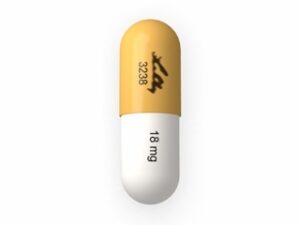


Anafranil (Clomipramine HCI) – Patient Guide (UK)
Anafranil is a medicine containing clomipramine hydrochloride, a tricyclic antidepressant (TCA). It is used for specific mental health conditions where it has a proven role—most notably certain forms of obsessive-compulsive disorder (OCD). This guide explains how Anafranil works, how it is typically taken, safety considerations, and practical day-to-day tips.
This information is for general guidance and does not replace advice from a healthcare professional.
1) Basic product information
| Item | Details |
|---|---|
| Medicine | Anafranil |
| Active ingredient | Clomipramine hydrochloride (clomipramine HCI) |
| Drug class | Tricyclic antidepressant (TCA) |
| Common uses | Obsessive-compulsive disorder (OCD) and related conditions (including certain off-label/controlled circumstances) |
| Formulations | Available as tablets/capsules depending on local supply |
| Availability in the UK | Typically available through NHS and private prescribing routes |
2) How Anafranil works (mechanism of action)
Clomipramine helps improve symptoms by affecting brain chemical messengers (neurotransmitters), especially:
- Serotonin (5-HT) reuptake inhibition: Anafranil blocks the transport proteins that normally reabsorb serotonin. This increases serotonin activity in the brain.
- Norepinephrine effects: It also influences norepinephrine pathways, contributing to mood and symptom control.
- Additional receptor effects: Like other TCAs, it can affect histamine (sedation), acetylcholine (dry mouth/constipation), and adrenergic receptors (possible dizziness).
In OCD, increased serotonin signalling is thought to reduce intrusive thoughts and repetitive behaviours. However, response can take time, and benefits usually build gradually.
3) Pharmacokinetics (how the body processes it)
Understanding pharmacokinetics can help explain why dosing, missed doses, and side effects may vary.
- Absorption: Clomipramine is absorbed after oral dosing. Food may influence the rate of absorption (see food section).
- Distribution: It distributes widely in the body, including the brain.
- Metabolism: Clomipramine is extensively metabolised in the liver. The active metabolite desmethylclomipramine is also important.
- Elimination: The medicine is cleared over time, mainly via the liver and kidneys. Steady levels build gradually, which is why early response may be limited.
Because of liver involvement, dosage decisions may differ in people with liver impairment. Your prescriber may also consider drug interactions that affect liver enzymes.
4) Typical uses in the UK
Anafranil is most commonly used for:
- Obsessive-compulsive disorder (OCD): Particularly when symptoms are severe, persistent, or significantly impair daily life.
- Related conditions (under specialist care): In some cases, it may be considered for other anxiety/compulsive-spectrum conditions depending on clinical judgement and local practice.
Treatment plans often include a combination of medication and psychological therapy (for example, cognitive behavioural therapy with exposure and response prevention). Medication can help reduce the intensity of obsessions and compulsions so that therapy is easier to engage with.
5) When it starts working and timing expectations
Many people want to know “How quickly will I feel better?” With clomipramine, timing can be gradual:
- Early effects (days to 1–2 weeks): Some people notice improvements in anxiety, sleep, or tension. Others may experience side effects first.
- Symptom improvement (2–6 weeks): OCD symptoms typically begin to ease during this phase, but not always.
- Full benefit (often 8–12 weeks or longer): For OCD, it may take several weeks to reach a stable, meaningful response.
Consistency matters: Taking Anafranil regularly as directed helps maintain steady blood levels. If you miss doses, you may notice symptoms returning or side effects becoming unpredictable.
6) How to take Anafranil (general dosing approach)
Doses vary by age, condition severity, tolerability, and other medical factors. A healthcare professional will individualise the plan.
Typical general approach (titration)
- Start low and increase gradually: This helps reduce common side effects such as nausea, dizziness, dry mouth, or drowsiness.
- Divide doses if needed: Some regimens use once-daily or split dosing depending on tolerability.
- Take at the same times each day: This supports steadier effect and improves adherence.
Practical dosing timing
- Morning: If the medicine makes you drowsy, a prescriber may advise taking a larger portion in the evening or at night.
- Evening/night: If it causes sedation, many people benefit from evening dosing—only if it suits your routine and safety (for example, driving).
Do not change dose suddenly: Abrupt stopping can worsen symptoms and may cause withdrawal-like effects. If stopping is needed, it should usually be done gradually under clinical guidance.
Important: Never adjust your dose without medical advice, particularly with medicines that affect heart rhythm or serotonin levels.
7) Food interactions and what to eat
Food may affect how quickly Anafranil is absorbed. For many people, the difference is modest and manageable. In practice, consistent timing relative to meals can help stability.
- Take consistently: Many people choose either with or without food and keep that pattern.
- If nausea occurs: Taking the dose with a light snack may improve tolerability.
- Avoid large changes: Dramatic dietary changes are unlikely to be a direct interaction, but can affect overall wellbeing and side effects.
Advice for sensitive stomachs: If you experience persistent stomach upset, ask your pharmacist or prescriber about adjusting dose timing, splitting doses, or taking with food.
8) Alcohol and interactions with medicines
Alcohol
It is generally advisable to limit or avoid alcohol while taking Anafranil. Reasons include:
- Increased sedation: Clomipramine can cause drowsiness or dizziness, which alcohol can worsen.
- Safety risks: Alcohol may increase falls, impaired judgement, and driving risk.
- Potential impact on mental health: Alcohol can worsen anxiety and mood instability in some people.
Other medicines (key interaction themes)
Anafranil can interact with multiple medicine types. The most important interaction categories include:
- Serotonergic medicines: Combining with other serotonin-increasing drugs can raise the risk of serotonin syndrome. Examples may include certain antidepressants (SSRIs/SNRIs), MAOIs, linezolid, and some migraine medicines (triptans).
- MAO inhibitors (MAOIs): This combination is generally contraindicated due to serious risks.
- Heart rhythm medicines: Medicines that prolong the QT interval or affect cardiac conduction may increase arrhythmia risk.
- Drugs affecting liver enzymes: Some medicines can increase or decrease clomipramine levels by affecting metabolism in the liver.
- Anticholinergic medicines: Can add to side effects like dry mouth, constipation, blurred vision, and urinary retention.
- Sedatives: Benzodiazepines, opioids, sleep medicines, and some antihistamines can increase drowsiness and impair coordination.
Action point: Before starting Anafranil, tell your healthcare professional about all medicines you take, including: over-the-counter products, herbal supplements, and recreational drugs. Do not start, stop, or combine medicines without advice.
9) Indications and who may benefit
Indications describe when a medicine is intended to help. For Anafranil, the most established indication is:
- Obsessive-compulsive disorder (OCD): Used especially for persistent, distressing symptoms.
Some people may be treated for other related clinical presentations under specialist direction. Decisions depend on symptom pattern, severity, past treatment response, and overall health.
10) Safety profile: common and serious side effects
Like all medicines, Anafranil can cause side effects. Many are dose-related and may lessen as your body adapts. However, some effects require prompt medical attention.
Common side effects
- Drowsiness or fatigue (sometimes more noticeable early on)
- Dizziness, especially when standing up quickly
- Dry mouth
- Constipation
- Nausea or stomach discomfort
- Sweating
- Blurred vision
- Tremor or restlessness (in some people)
- Weight gain (with longer-term use in some individuals)
- Sexual side effects (reduced libido, delayed orgasm, or changes in arousal)
Serious side effects – seek urgent help
Contact urgent care/emergency services immediately if you experience symptoms suggestive of:
- Serotonin syndrome: agitation, confusion, fever, sweating, fast heart rate, diarrhoea, muscle stiffness, or shivering
- Allergic reaction: swelling of face/lips, breathing difficulty, severe rash
- Suicidal thoughts or severe worsening mood: especially in the early stages or after dose changes
- Heart rhythm problems: fainting, severe palpitations, chest pain, or sudden dizziness
- Seizures: convulsions or loss of consciousness
- Severe constipation with abdominal swelling/vomiting: could be a medical emergency
Safety considerations that may affect monitoring
- Heart health: TCAs can affect heart conduction in susceptible individuals. Clinicians may consider ECG monitoring in higher-risk people.
- Blood pressure: Dizziness on standing can occur.
- Glaucoma or prostate/urinary issues: Anticholinergic effects can worsen symptoms.
- Diabetes: Weight changes and appetite changes may affect control.
- Driving and machinery: Drowsiness or blurred vision can impair ability.
11) Practical use tips (to improve comfort and results)
Reduce early side effects
- Follow the titration plan: gradual dose increases help your body adjust.
- Hydrate: helps with dry mouth.
- Manage constipation early: drink fluids, maintain fibre intake, and consider an appropriate stool softener if advised.
- Stand up slowly: reduces dizziness from changes in blood pressure.
- Take at the same time: improves stability and reduces missed-dose problems.
Track symptoms the helpful way
- Use a simple daily note: rate anxiety/OCD urges and side effects (e.g., 0–10).
- Report patterns: side effects that peak at a certain time may be managed by adjusting timing or splitting doses.
- Don’t stop due to transient nausea: many early effects settle as the body adapts (unless severe).
Be careful about sudden stopping
If you need to discontinue, this is usually done gradually to reduce the risk of withdrawal-like symptoms and relapse of the original condition. Always follow clinician advice when changing treatment.
12) Missed dose guidance
If you miss a dose, the right action depends on how close it is to your next scheduled dose.
- If you notice it soon: take it when you remember, unless it’s nearly time for the next dose.
- If it’s close to the next dose: skip the missed dose and continue with the regular schedule.
- Do not double up: taking extra can increase side effects.
If you are unsure, ask your pharmacist for advice tailored to your dosing schedule.
13) Alternative options (if Anafranil is not suitable)
Alternatives depend on your diagnosis, previous treatment response, other health conditions, and tolerance. Your healthcare professional may consider:
- Other antidepressants: depending on condition, some SSRIs or SNRIs are commonly used for OCD and anxiety disorders.
- Psychological therapy: for OCD, CBT with exposure and response prevention (ERP) is a key option and can be very effective.
- Specialist guidance for resistant OCD: options such as augmentation strategies may be discussed in specialist services.
- Medication review: if side effects are problematic, dose adjustment or switching can be considered.
Important: Switching antidepressants often requires careful timing to avoid interactions (especially with serotonin-related medicines). Your healthcare professional will provide a safe plan.
14) UK market and legal context (general overview)
In the UK, medicines are regulated by the Medicines and Healthcare products Regulatory Agency (MHRA). Anafranil is a prescription-only medicine category in the UK, meaning it is supplied through appropriate healthcare channels.
Pharmacy supply and patient access typically follow:
- Licensed indications and local formularies (availability and preferred treatments may vary).
- Ongoing safety monitoring through routine pharmacovigilance and product information updates.
- Professional prescribing and medication reviews to ensure suitability and minimise risks.
15) Recent guidance and safety updates (how to stay informed)
Treatment guidance for depression, anxiety, and OCD commonly emphasises:
- Stepped care: starting with evidence-based options and escalating when needed.
- Monitoring: reviewing benefit and side effects over time.
- Risk assessment: especially for people with heart disease, seizure risk, or when combining medicines with interaction potential.
Guidance can evolve. Your pharmacist may also be able to advise on current SmPC/PIL information and safety alerts relevant to your product. Always check you are using the most up-to-date patient information leaflet.
16) Delivery and availability in the UK (what to expect)
Availability may depend on local supply and the specific strength/formulation. When ordering from an online pharmacy, it is common to see:
- Checking stock status: some items may be dispatched quickly while others may require sourcing.
- Packaging: medicines are supplied in manufacturer packaging with leaflets or patient information as required.
- Delivery times: typically aligned with UK courier services and order cut-off times.
- Cold-chain: usually not required for clomipramine products under standard storage conditions.
Store Anafranil at room temperature and away from moisture and direct sunlight. Keep it out of sight and reach of children.
17) Storage and handling
- Store in original packaging to protect from light and moisture.
- Keep dry (avoid bathrooms unless the label says otherwise).
- Do not use after expiry date.
- Dispose responsibly via pharmacy take-back schemes where available.
18) FAQ
How long does Anafranil take to work for OCD?
Some people notice changes within the first couple of weeks, but OCD improvement often takes 2–6 weeks and may require 8–12 weeks or longer for fuller benefit. Response varies between individuals.
Why do I feel worse before I feel better?
Early side effects can appear before symptom improvement. This can happen during dose increases. If side effects are severe or you feel significantly unwell, contact your healthcare professional promptly for advice.
Can I take Anafranil with food?
Many people take it with or without food depending on tolerability. If nausea occurs, taking it with a light snack may help. The most important point is to take it consistently.
Is it safe to drink alcohol?
It’s generally recommended to avoid or limit alcohol because alcohol may worsen drowsiness, dizziness, and safety risks. Ask your healthcare professional if you want personalised advice.
What should I avoid while taking Anafranil?
Be cautious with:
- Alcohol (see above)
- Other medicines that affect serotonin or heart rhythm (ask before combining)
- Driving or operating machinery if you feel drowsy or dizzy
What side effects are most common?
Common side effects include sleepiness or fatigue, dizziness, dry mouth, and constipation. Many settle as your body adapts, but some may persist.
Can I stop Anafranil suddenly?
Stopping suddenly is usually not recommended. Gradual reduction is often safer to reduce withdrawal-like symptoms and to help prevent relapse. Always follow clinical advice for stopping or switching.
Does Anafranil affect driving?
It can. If you experience drowsiness, blurred vision, or dizziness—especially at the start or after dose changes—avoid driving and seek advice. Follow the guidance given to you by your clinician.
Are there alternatives if I can’t tolerate it?
Yes. Alternatives may include other antidepressants, different dosing schedules, or psychological therapy approaches such as CBT/ERP for OCD. Your prescriber can help you choose the safest option for your situation.
If you have questions about your specific medicine plan—such as interactions with your current medicines, suitable timing, or how to manage side effects—speak to a pharmacist or other qualified healthcare professional.