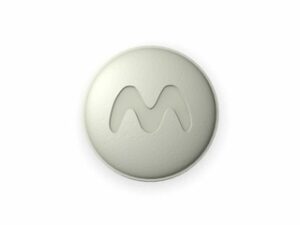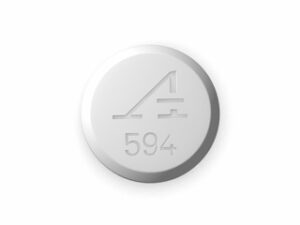



Pyridium (Phenazopyridine) – Patient Information
Pyridium contains phenazopyridine, a medicine used to relieve the burning, stinging, and discomfort that can occur with urinary tract irritation. It is designed for short-term symptom relief and works differently from antibiotics.
This guide explains how Pyridium works, how it’s used, what to expect, and important safety considerations for people in the United Kingdom.
Basic Product Information
| Feature | Information |
|---|---|
| Active ingredient | Phenazopyridine |
| Common brand | Pyridium |
| Medicine type | Urinary tract analgesic (symptom relief) |
| Main benefit | Relieves pain/burning from urinary tract irritation |
| Typical duration | Short-term use (often up to 2 days in some product directions) |
| Availability (UK) | May be available via online pharmacy routes where permitted |
What Pyridium Is Used For
Pyridium is used to relieve symptoms such as:
- Burning or pain when passing urine
- Stinging, discomfort, or urgency associated with urinary tract irritation
- Temporary relief while the underlying cause is assessed or treated
Important: Pyridium treats symptoms, not the underlying infection (if one is present). If you have symptoms of a bacterial urinary tract infection, you may need other treatment and you should seek appropriate medical advice if symptoms persist or worsen.
How Pyridium Works (Mechanism of Action)
Phenazopyridine works by acting directly on the lining of the urinary tract. It has a local effect that helps reduce pain signals related to irritation.
- It provides analgesic (pain-relieving) effects for urinary tract discomfort.
- It may help calm burning and stinging sensations experienced during urination.
- It does not kill bacteria and is not an antibiotic.
Pharmacokinetics (Absorption, Distribution, Metabolism, Excretion)
After oral administration, phenazopyridine is absorbed and then undergoes metabolism, with elimination mainly through the kidneys. Because elimination depends on kidney function, people with reduced kidney function may have higher risk of side effects.
- Absorption: Taken by mouth and absorbed in the gastrointestinal tract.
- Distribution: It can reach urinary tract tissues to provide local relief.
- Metabolism: Metabolised in the body.
- Excretion: Primarily excreted via the kidneys.
Clinically, one of the most noticeable effects is that it can cause orange/red urine, which is expected and generally not harmful in itself when used as directed.
Typical Use and When to Take It
Pyridium is typically used for short-term relief of urinary pain and burning.
Common timing approach:
- Take it when you have noticeable burning/stinging symptoms.
- Many people find it most helpful after the first symptoms appear, while they are monitoring for improvement.
- If you have an underlying urinary infection, symptom relief does not replace appropriate diagnosis or treatment.
Expected response: Some symptom relief is often noticed relatively soon after taking phenazopyridine, but the underlying cause of urinary symptoms must still be addressed if symptoms continue.
Dosing (General Guidance)
Dosing can vary by product strength and local prescribing directions, so always follow the instructions on the package or the advice provided with the specific product you receive.
General dosing principles for urinary symptom relief often include:
- Use the lowest effective dose for the shortest possible time.
- Do not exceed the recommended dose on your product packaging.
- A common approach in many countries is short-term use (commonly up to 2 days) unless a clinician advises otherwise.
If your symptoms do not improve within the recommended short timeframe, or if they worsen, seek medical advice promptly.
Food Interactions
Phenazopyridine may be taken with or without food. However, taking it with food can help some people reduce possible stomach discomfort or nausea.
Practical tips:
- If you experience nausea, try taking it with meals.
- Stay well hydrated unless you’ve been advised to restrict fluids.
There are no widely recognised major food interactions that require a complex dietary change, but individual tolerance may vary.
Alcohol and Medicine Interactions
Alcohol: It’s generally advisable to avoid or limit alcohol while you’re unwell with urinary symptoms and when taking medicines. Alcohol can irritate the bladder in some people and may worsen dehydration.
Medication interactions: Always check interactions for your specific medicine(s). Phenazopyridine can interact with other medicines indirectly through effects on the urinary tract, kidney handling, or overlapping side-effect risks.
Extra caution is important if you take:
- Other medicines that may affect kidney function
- Medicines with known blood-related side effects (because rare blood disorders have been associated with phenazopyridine, particularly at higher doses or longer use)
- Medicines that interact with urine acidity or kidney excretion pathways (your pharmacist can help check)
If you are taking multiple medicines, include them in your online pharmacy order notes or ask your pharmacist to review potential interactions.
Indications: Who Might Benefit
Pyridium is indicated for temporary relief of symptoms related to urinary tract irritation, such as:
- Burning during urination
- Stinging or painful urination
- Discomfort/urgency associated with lower urinary tract irritation
It is often used as “comfort therapy” while other steps are taken to address the underlying cause (for example, when waiting for assessment or in combination with appropriate treatment if infection is diagnosed).
Safety Profile: Important Warnings and Side Effects
Most people tolerate phenazopyridine well when used correctly and for a short duration. However, it is important to recognise side effects and to use caution in certain health conditions.
Common side effects
- Orange/red urine (expected)
- Staining of urine-related items (for example, toilet seats, clothing, or bedding)
- Stomach upset, nausea, or abdominal discomfort
- Headache (reported occasionally)
Serious side effects (seek urgent advice)
Stop use and seek prompt medical advice if you develop symptoms such as:
- Severe allergic reactions (swelling of the face/lips, difficulty breathing, widespread rash)
- Signs of blood or liver problems (unusual bruising/bleeding, extreme tiredness, yellowing of the skin/eyes)
- Worsening symptoms or fever/chills (may suggest a more serious infection)
Who should take extra caution
- People with reduced kidney function (risk of higher drug levels)
- People with glucose-6-phosphate dehydrogenase (G6PD) deficiency (higher risk of blood-related reactions)
- People with liver disease (extra caution may be needed)
- Older adults or those who may be more sensitive to medication effects
Key safety message: Use phenazopyridine only for the recommended short period and at the recommended dose. Long or excessive use increases risk of harm.
Practical Use Tips
- Expect orange/red urine: This is typical and usually indicates the medicine is active. It may stain fabrics.
- Don’t ignore warning signs: If you develop fever, back/flank pain, vomiting, or feel very unwell, seek medical help promptly.
- Hydrate: Drinking water can help ease urinary discomfort and support overall recovery.
- Track symptom changes: Note whether burning improves, whether frequency/urgency changes, and how quickly.
- Use alongside proper evaluation: If symptoms persist beyond a short period, a healthcare professional may need to assess the cause.
Alternative Options (Symptom Relief and Underlying Care)
If you’re experiencing urinary burning, there are different options depending on the likely cause and severity.
Non-medicine comfort measures
- Increase fluid intake (unless restricted)
- Avoid bladder irritants such as caffeine and alcohol
- Warm compress to lower abdomen can help some people
Other medicines commonly considered
- Analgesics/antispasmodics may be considered for general discomfort (your pharmacist can advise)
- Antibiotics may be needed if a bacterial urinary tract infection is suspected or confirmed (these treat the cause, not just symptoms)
- Urinary symptom relief products (where available) may offer different symptomatic approaches
Best choice depends on your situation: If you’re pregnant, have kidney problems, have recurrent UTIs, or have fever/back pain, you may need prompt assessment rather than symptom-only treatment.
UK Market and Legal/Regulatory Context
In the United Kingdom, medicines are regulated by UK authorities and supplied through licensed supply chains. Availability of phenazopyridine products may vary depending on the specific formulation, licensing status, and pharmacy category.
Online pharmacy listings typically follow UK requirements for:
- Providing clear product information and safe-use guidance
- Signposting when medical advice is needed
- Ensuring age- and condition-appropriate supply processes (as required)
- Handling storage, labelling, and delivery responsibilities safely
Always check: the exact strength, tablet formulation, and instructions included with your purchased product, as these may differ by manufacturer.
Recent Guidance and Practical NHS-Style Considerations
For urinary symptoms, UK guidance commonly emphasises:
- Symptom relief can help, but persistent symptoms require assessment.
- People should seek advice urgently if they have fever, flank/back pain, vomiting, or blood in urine.
- Appropriate evaluation helps avoid complications, especially in those at higher risk (e.g., men with suspected UTIs, older adults, pregnant people, or those with kidney disease).
- Short-term use of symptom-relieving medicines is preferred over extended self-treatment.
This page focuses on safe use of Pyridium for symptom relief while encouraging timely medical evaluation if needed.
Delivery and Availability (UK)
Online pharmacies in the UK may offer Pyridium/phenazopyridine subject to product availability and legal supply requirements. Delivery times can vary based on:
- Stock status
- Location within the UK
- Order time cut-offs
- Whether additional customer information is required to complete safe supply checks
Delivery expectations: Many online pharmacies offer standard and faster delivery options. Check the product page for estimated dispatch and delivery windows.
Availability tips:
- If the exact brand is not available, ask whether the pharmacy can supply an equivalent product containing phenazopyridine (subject to permitted supply).
- Always keep the medicines in the original packaging and store as directed on the label.
FAQ: Pyridium (Phenazopyridine)
1) Is Pyridium an antibiotic?
No. Pyridium (phenazopyridine) is a urinary tract symptom-relief medicine. It helps reduce burning and pain, but it does not treat bacterial infection.
2) How quickly will Pyridium work?
Many people notice relief after taking phenazopyridine, though the exact timing can vary. If your symptoms are not improving within the recommended short use period, seek advice.
3) Why is my urine orange/red?
This is a known and expected effect of phenazopyridine. It helps indicate that the medicine is active. It can also stain fabrics and toilet surfaces.
4) How long should I take Pyridium?
Use Pyridium for the shortest duration consistent with the product instructions you receive. Many directions recommend use for a limited time (commonly around 2 days) as symptom relief while the underlying cause is assessed.
5) Can I take Pyridium with food?
Yes. If it upsets your stomach, taking it with meals may help.
6) Can I drink alcohol while using Pyridium?
It’s best to avoid or limit alcohol because alcohol can irritate the bladder and may worsen dehydration. If you choose to drink, keep it minimal and watch for symptom worsening.
7) What if I still feel burning after using Pyridium?
Persistent symptoms may mean the underlying cause hasn’t been treated (for example, a bacterial infection). Seek medical advice promptly, especially if symptoms last beyond the recommended short timeframe or worsen.
8) When should I seek urgent medical help?
Seek urgent care if you have:
- Fever or chills
- Back/flank pain
- Vomiting or feel very unwell
- Severe allergic symptoms (swelling, breathing difficulty)
- Symptoms that rapidly worsen
9) Can Pyridium be used by everyone?
Not necessarily. People with kidney problems, liver disease, or G6PD deficiency should take extra caution. Always check the product information and speak to a pharmacist if you’re unsure.
10) What should I do if I miss a dose?
If you miss a dose, take it when you remember unless it’s close to the time of the next dose. Do not take extra doses to make up for a missed one.
11) Are there any staining effects?
Yes. Because urine may become orange/red, it can stain clothing, underwear, towels, or toilet surfaces.
12) What are safer alternatives if I can’t take Pyridium?
Alternatives depend on your symptoms and risk factors. Non-medicine measures (fluids, avoiding irritants) may help, and a healthcare professional may recommend other medicines if an infection or another cause is suspected.
Summary: Key Points to Remember
- Pyridium (phenazopyridine) provides temporary relief of burning and pain when urinating.
- It is not an antibiotic and does not treat the underlying cause of urinary infections.
- Expect orange/red urine—this is normal for phenazopyridine.
- Use for the shortest recommended time and follow the product instructions.
- Seek urgent advice if you develop fever, back pain, vomiting, or severe worsening symptoms.