Betamethasone / Clotrimazole
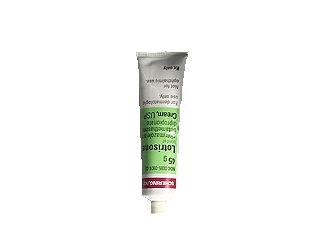
Betamethasone / Clotrimazole is a combination medicine used on the skin to treat inflammation alongside a fungal (yeast or dermatophyte) infection. It brings together: clotrimazole, an antifungal, and betamethasone, a corticosteroid that helps reduce redness, itching and swelling.
This page explains how the medicine works, when it is used, how to apply it, key safety information, and practical tips to get the best results. It also covers medicine and alcohol interactions, guidance and availability in the UK.
Product information (at a glance)
- Active ingredients: Betamethasone (corticosteroid) + Clotrimazole (antifungal)
- Common forms: Topical preparations (e.g., creams or similar skin products depending on the brand/strength)
- What it treats: Skin conditions where a fungal infection and inflammation occur together
- Where it works: On the skin at the site of infection
- Typical users: Adults and (in some cases) children depending on local product guidance
Note: Strengths and formulation can vary by product brand. Always check your specific pack label and instructions.
How it works (mechanism of action)
Clotrimazole (antifungal)
Clotrimazole works by interfering with the fungal cell membrane. It reduces the production of key membrane components, which weakens the fungus and stops it from growing. In many skin fungal infections, this leads to gradual relief of itching, scaling and redness as the organism is controlled.
Betamethasone (corticosteroid)
Betamethasone is a corticosteroid. It helps calm inflammation by reducing the release of inflammatory substances in the skin. This can rapidly relieve symptoms such as itch, burning, swelling and redness.
Why the combination? Fungal rashes often look inflamed and can become very uncomfortable. Treating both the fungus (clotrimazole) and the inflammation (betamethasone) can improve symptoms more quickly than antifungal-only treatment in suitable cases.
Pharmacokinetics (what happens in the body)
Betamethasone / clotrimazole is used on the skin. In most people, absorption through intact skin is limited. However, absorption can increase when applied to:
- Large areas
- Damaged skin or broken skin
- Skin folds (e.g., groin, underarms)
- Under occlusive dressings (covered/airtight bandages)
- Prolonged courses
Once absorbed, betamethasone (a steroid) can undergo metabolism mainly in the liver and is eliminated through the body’s usual pathways. Clotrimazole is also metabolised in the liver and cleared accordingly.
Because this medicine is applied topically, systemic exposure is typically low when used correctly on small areas for the recommended period. Still, steroid absorption and side effects are key considerations—particularly in children or when used on sensitive areas.
Typical uses in the UK
Betamethasone / clotrimazole is generally intended for skin conditions where both: fungal infection and inflammation are present.
Examples of situations a doctor or pharmacist may consider include certain types of fungal rash that present with marked itch and redness, such as:
- Infected eczema-like flares where fungus is suspected
- Fungal infections in skin folds when inflammation is prominent (product-specific suitability applies)
- Some forms of athlete’s foot/foot rash or ringworm where inflammation coexists (depending on the exact product instructions and diagnosis)
Important: This combination may not be suitable if the diagnosis is uncertain, if the condition is not fungal, or if the rash is caused by viruses or bacteria. Steroids can sometimes mask symptoms of other infections.
Indications (when to use it)
The medicine is indicated for inflammatory fungal skin conditions where an antifungal and a corticosteroid are both appropriate. Because different brands exist, always follow the indication listed in your specific pack leaflet.
You should not use it for:
- Unexplained rashes where fungal infection is not confirmed or strongly suspected
- Conditions caused by viruses (e.g., cold sores, genital herpes) unless specifically advised
- Skin lesions that are primarily bacterial (e.g., infected wounds) unless directed
- Acne or rosacea
- Fungal infections of the scalp or nails unless a product specifically designed for those areas is used
How to apply (dosing and timing)
Always apply exactly as the product instructions and your healthcare professional advise. The following describes common usage patterns for topical combination treatments.
Typical dosing (topical)
- Adults: A thin layer applied to the affected area and surrounding skin as directed on the pack
- Children: Use only if the pack leaflet and UK advice allow it for the child’s age; steroid-containing products require extra caution
Timing
In many regimens, applications are done once or twice daily. Apply at consistent times to maintain steady antifungal and anti-inflammatory activity.
Course length: Steroid-containing topical medicines are usually used for a short course. If there is no improvement after the stated period on the leaflet, or symptoms worsen, seek advice.
Practical application steps
- Wash and dry your hands.
- Gently clean the affected area with mild soap and water (if appropriate), then pat dry.
- Apply a thin layer of cream to the rash and a small margin of surrounding skin.
- Wash your hands again after application (unless the hands are the treated area).
- Keep the area clean and avoid tight clothing that may increase irritation or moisture.
Do not: Cover with occlusive dressings (airtight bandages) unless told to by a clinician.
Food interactions
Because Betamethasone / Clotrimazole is applied to the skin, it has no direct food interaction expected. You can generally eat and drink normally while using this medicine.
Alcohol and medicine interactions
Alcohol
There is generally no specific interaction between topical clotrimazole/betamethasone and alcohol. However, severe skin irritation or systemic absorption (if used incorrectly over large areas) could increase the likelihood of side effects.
If you notice unusual effects after using the medicine, stop and seek advice.
Other medicines
Clinically meaningful interactions are unlikely with topical use, especially when applied to small areas and for short periods.
Still, tell your pharmacist or doctor about any medicines you use, particularly:
- Other topical steroids or antifungals: Using multiple products together may increase steroid exposure or confusion about diagnosis
- Immunosuppressive medicines: Underlying immune conditions may affect how infections respond
- Products that irritate the skin: Such as strong antiseptics, fragrance-heavy creams, or harsh washes over the treated area
If you are pregnant, breastfeeding, or planning pregnancy, or if you have conditions that affect your immune system, it is especially important to get tailored guidance before use.
Safety profile: side effects and when to seek help
Common side effects
Some people experience mild, local skin effects such as:
- Burning or stinging sensation
- Skin irritation or redness (temporary)
- Dryness or peeling
- Itching changes during treatment
Less common but important steroid-related risks
Because betamethasone is a corticosteroid, prolonged or inappropriate use can lead to steroid-related skin changes, especially on sensitive areas. Possible risks include:
- Skin thinning (atrophy) and increased fragility
- Stretch marks (striae)
- Visible blood vessels (telangiectasia)
- Worsening or recurrence of fungal infection if not fully treated
- Perioral dermatitis or acne-like reactions (in some areas)
- Increased susceptibility to other infections (steroid can mask symptoms)
Systemic effects (rare with correct use)
Systemic absorption of a topical steroid can occur, particularly if used on large areas, under occlusion, on broken skin, or for extended periods. Rarely, this may affect hormone balance (e.g., suppression of the body’s natural steroid production). This risk is higher in children.
Stop and seek medical advice urgently if
- You develop a severe rash, swelling of the face/lips, or breathing difficulty
- The rash rapidly worsens, spreads, or becomes painful
- You develop signs of a skin infection such as pus, marked warmth, rapidly increasing redness, or fever
- There is no improvement within the recommended timeframe on the pack
If the area is near the eyes, avoid contact with the eyes and seek advice if accidental contact occurs.
Practical use tips for better outcomes
Confirm the pattern of fungal infection
Many fungal rashes share features like scaling, itch and borders. However, eczema, psoriasis and bacterial infections can look similar. Using a steroid-containing product when the diagnosis is wrong can delay appropriate treatment.
Keep the area dry
Fungi thrive in warm, moist environments. After washing, pat the area dry. Change socks and underwear regularly and avoid tight clothing that holds moisture.
Treat the full affected area (and a margin)
Applying only to the most visible part may leave fungus in surrounding skin. A thin layer over the affected area and adjacent skin helps reduce recurrence.
Finish the course as advised
Symptoms may improve before the fungus is fully eradicated. Stopping too early can lead to relapse. At the same time, prolonged use can increase steroid side effects, so follow the pack duration.
Wash hands and avoid spreading
- Wash your hands before and after application
- Avoid touching other body areas immediately after applying
- Do not share towels
Consider hygiene for recurrent fungal infections
If you have foot fungus or tinea-related rashes, changing shoes, using breathable footwear, and treating household contacts if recommended can help. If you frequently relapse, ask a pharmacist or GP for a tailored plan.
Alternative options
The best alternative depends on the exact diagnosis, location, and severity of your rash. Common alternatives include:
Antifungal-only treatments
- Clotrimazole alone or other antifungal creams (e.g., miconazole, terbinafine depending on availability and suitability)
- Often used when inflammation is mild or when fungal infection is the primary issue
Anti-inflammatory (steroid) treatment alone
Steroid-only creams may be appropriate for non-fungal inflammatory conditions, but should not be used for suspected fungal infection unless specifically advised.
Other combination approaches
Some products include different steroid potencies or antifungal agents. Your pharmacist can advise which product format and strength may fit your needs.
In persistent cases: If symptoms do not improve after a short course, you may need review for correct diagnosis, adherence, or fungal confirmation (especially for recurring rashes).
Market and legal context in the United Kingdom
In the UK, topical medicines are regulated under UK medicines legislation and overseen by the Medicines and Healthcare products Regulatory Agency (MHRA). Availability can vary by brand and strength, including whether a product is supplied as a pharmacy medicine (i.e., you may need to speak with a pharmacist) or is restricted.
Combination products containing both a topical steroid and an antifungal are intended for specific inflammatory fungal conditions. Because steroids can worsen or hide other infections, UK guidance generally emphasises correct diagnosis, appropriate duration, and caution with steroid-containing creams on sensitive areas and in children.
Recent practical guidance themes (UK)
- Aim to use the shortest effective steroid course and reassess if there is no improvement
- Avoid routine steroid use where fungal infection is uncertain
- Be cautious in skin folds, on the face, and in children due to higher absorption and side-effect risk
- Consider alternative diagnoses if treatment fails or symptoms recur frequently
For exact advice, always refer to the pack leaflet and the counselling notes provided by your pharmacist.
Delivery and availability (UK online pharmacy)
Betamethasone / Clotrimazole products may be available from UK online pharmacies. Availability depends on the specific brand and formulation, and on whether pharmacist review is required for your order.
What you can typically expect
- Ordering: Add to basket and complete checkout; some orders may require an online pharmacist consultation
- Dispatch: Usually dispatched promptly once payment and checks are complete
- Delivery: Delivery times vary by provider and location within the UK (England, Scotland, Wales, Northern Ireland)
- Packaging: Medicines are shipped in appropriate packaging to protect the product
If you have time-sensitive symptoms or need rapid advice, contact the pharmacy before ordering.
Safety checklist before you use it
- Is the rash likely fungal and inflammatory (not just eczema/psoriasis of unknown cause)?
- Is the area small and suitable for topical treatment?
- Will you avoid eyes, mouth, and other sensitive areas unless directed?
- Will you use it for the shortest course stated in the leaflet?
- Do you have any reason you should not use topical steroids (e.g., suspected viral infection on the skin)?
- Are you pregnant, breastfeeding, or using it for a child? If yes, check suitability with a pharmacist.
FAQ
1) What is Betamethasone / Clotrimazole used for?
It is used on the skin when there is an inflammatory rash caused by (or strongly suspected to be) a fungal infection. The antifungal component treats the fungus while the steroid component reduces inflammation and symptoms like itching and redness.
2) How quickly should I see improvement?
Itchy, red and swollen symptoms often improve relatively quickly because betamethasone reduces inflammation. However, fungal clearance may take longer. If you do not see improvement within the timeframe stated in the pack leaflet, seek advice.
3) Can I use it on the face or in skin folds?
Steroid-containing creams can be absorbed more readily and may cause side effects in sensitive areas. Use only if the product leaflet allows it for your body site and only for the shortest course. If unsure, ask your pharmacist.
4) Should I stop once the rash looks better?
Don’t stop immediately when symptoms disappear unless the leaflet advises so. Follow the recommended duration to reduce the risk of recurrence. If the rash keeps returning, you may need reassessment.
5) What if it gets worse after starting?
Worsening can happen if the diagnosis is incorrect or the fungus is not responding. Stop using the product and contact a pharmacist or GP for review—especially if spreading occurs, pain increases, or there are signs of infection.
6) Is it safe to use with other creams?
Generally, avoid applying multiple medicines to the same area unless instructed. Some combinations can increase irritation or steroid exposure. If you need to use moisturisers, apply them at a different time of day unless the pharmacist advises otherwise.
7) Can I wear clothes over it?
Yes, but choose breathable clothing. Avoid tight, occlusive wrapping or dressings unless you have been advised to do so.
8) Can I drink alcohol while using it?
There is no known direct interaction with alcohol for topical use. If you notice unexpected side effects, stop and seek advice.
9) Is this medicine suitable for children?
Suitability depends on the child’s age, body area and the exact product instructions. Steroid-containing topical medicines require extra caution in children, so check with a pharmacist or ensure the leaflet explicitly allows use.
10) What are the most common side effects?
Common side effects include mild skin irritation such as burning, stinging, or redness. Seek advice if severe reactions occur or if symptoms worsen.
Disclaimer: This information is provided for general guidance and may not cover every situation. Always read the patient information leaflet supplied with your product and consult a healthcare professional if you are unsure.
Summary
Betamethasone / Clotrimazole combines an antifungal (clotrimazole) with an anti-inflammatory corticosteroid (betamethasone) to treat inflammatory fungal skin conditions. Use it as directed, apply a thin layer, keep the area clean and dry, and follow the recommended short course to limit steroid-related side effects. If your symptoms do not improve or the rash worsens, get advice to confirm the diagnosis and choose the most appropriate treatment.