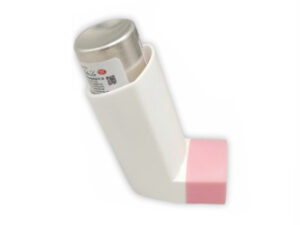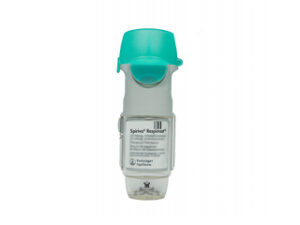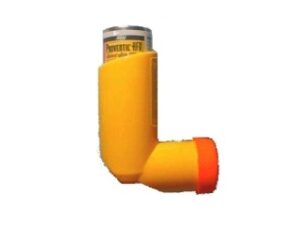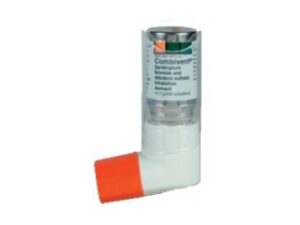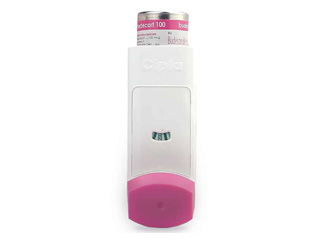
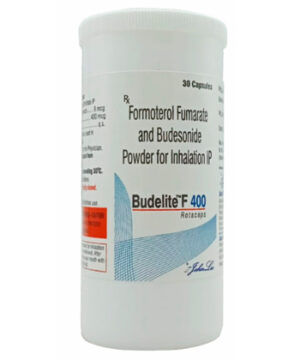

Budesonide Inhaler (Budesonide) — Patient-Friendly Guide (UK)
Budesonide inhaler is a commonly used inhaled medicine for controlling inflammation in the airways. It helps reduce swelling and irritation in the bronchial tubes, which can make breathing easier and lower the risk of symptoms worsening over time. This guide explains what budesonide is, how it works, how to use it properly, and what to consider for safety and everyday life in the United Kingdom.
Important: Always follow the instructions given by your healthcare professional and the patient information leaflet supplied with your inhaler. If you are unsure about how to use your device, ask your pharmacist or practice nurse for a demonstration.
1. Basic product information
| Item | Details (typical) |
|---|---|
| Medicine | Budesonide (inhaled corticosteroid) |
| Medicinal purpose | Prevents and controls inflammation in the lungs/airways |
| How it is taken | Inhalation using a device (e.g., pressurised metered-dose inhaler, or DPI, depending on brand) |
| Onset of benefit | Symptoms may improve within days; full benefit can take longer (often 1–2 weeks) |
| Most common role | Controller/preventer medicine for asthma; sometimes for other airway conditions as advised |
| Common side effects | Hoarseness, throat irritation, oral thrush (reduced by rinsing/gargling after use) |
2. How budesonide works (mechanism of action)
Budesonide is a corticosteroid that acts directly on the cells involved in airway inflammation. When you inhale it, the medicine targets the lining of your airways, where it helps:
- Reduce inflammatory processes that cause swelling, mucus production, and airway narrowing.
- Decrease the sensitivity to triggers (such as allergens, cold air, and infections).
- Improve airflow over time by helping keep the airways more open and less reactive.
Budesonide is not a “quick relief” medicine. It is designed to prevent symptoms and help keep your breathing stable. Your rescue inhaler (often a fast-acting bronchodilator) is used for sudden breathlessness as instructed.
3. Pharmacokinetics (how the body handles it)
“Pharmacokinetics” describes how the body absorbs, distributes, metabolises, and eliminates a medicine. With inhaled budesonide, a significant portion of the dose acts locally in the lungs, while some is swallowed after inhalation. Key points include:
- Absorption: Budesonide deposits in the lungs; part of the inhaled dose may be swallowed.
- Metabolism: Much of the swallowed portion is metabolised in the liver before it can circulate widely. Budesonide is broken down mainly by CYP3A4 enzymes.
- Systemic exposure: Because the medicine is inhaled, systemic (whole-body) levels are generally lower than with oral steroids—especially when used at the correct dose and technique.
- Elimination: Metabolites are cleared primarily by the body through renal (urine) and other routes.
People with significant liver disease may have increased exposure and should be monitored more closely.
4. Typical uses and indications (UK)
In the UK, budesonide inhalers are most commonly used for:
- Asthma — as a “preventer” to control persistent symptoms and reduce risk of flare-ups.
- COPD (chronic obstructive pulmonary disease) — in selected patients, often as part of an inhaled regimen recommended by a clinician. The exact suitability depends on factors such as exacerbation history and current treatment.
The right medicine plan depends on your symptoms, lung function, history of exacerbations, and the inhaler device you use. If you have asthma, budesonide is usually used daily (even when you feel well) to maintain control.
5. How and when to take budesonide (timing and routine)
When to use it
Budesonide inhalers are typically used on a regular schedule (for example once or twice daily), depending on the prescribed strength and regimen. Even if you feel better, it is usually important to continue as directed to maintain inflammation control.
Timing tips
- Choose times that are easy to remember (e.g., morning and evening).
- If your regimen is twice daily, aim for roughly 12 hours apart where possible.
- If you forget a dose, use it when you remember unless it is close to your next dose. Do not double up.
After inhaling: reduce side effects
To reduce the chance of thrush (oral fungal infection) and hoarseness, rinse your mouth with water and spit out (or gargle) after each use. If you use a spacer (where appropriate for your device), this can also help.
6. Dosing (general guidance)
The dose of budesonide inhaler varies by: age, condition (asthma vs COPD), severity, and the specific inhaler product/strength. Always follow your inhaler’s label and the instructions provided with your medicine.
Because brands and devices differ, the dosing schedule cannot be stated as a single fixed number for everyone. Your pharmacist or clinician can advise the correct dose for your particular inhaler.
General points (important)
- Do not change dose without medical advice, even if symptoms improve.
- If your inhaler is part of a step-up/step-down plan, adjustments should be guided by your healthcare team.
- If you need frequent rescue inhaler use, your preventer dose may need review.
7. Food interactions
Food interactions with inhaled budesonide are generally minimal because it is delivered directly to the lungs. Any swallowed fraction is processed primarily by the liver, but there are typically no specific dietary restrictions.
Practical tip: many patients find it easier to rinse the mouth after inhalation. Whether you eat before or after usually does not materially affect the action, but follow your clinician’s guidance.
8. Alcohol and medicine interactions
Alcohol
There is no standard recommendation that you must avoid alcohol with inhaled budesonide. However, alcohol may worsen asthma symptoms in some people by affecting sleep, hydration, reflux, or immune response. If you notice a pattern between alcohol and breathing problems, discuss this with your healthcare professional.
Medicine interactions (key considerations)
Budesonide is metabolised mainly by CYP3A4. Medicines that strongly affect this enzyme can change budesonide levels in the body. Examples of medicines that may interact include:
- Strong CYP3A4 inhibitors (e.g., certain antifungal medicines such as ketoconazole, itraconazole, and some antiviral medicines used for HIV) may increase budesonide exposure and the risk of side effects.
- Other corticosteroids (oral or injected) may increase systemic steroid effects if used together.
- Some antibiotics and other drugs can also affect CYP enzymes, depending on the specific medicine.
Tell your pharmacist about all medicines you take, including herbal products, over-the-counter remedies, and inhalers. This is especially important if you use additional steroid tablets or have a long-term condition.
9. Safety profile and side effects
Common side effects
- Hoarseness or a change in voice.
- Throat irritation or mild cough after inhalation.
- Oral thrush (white patches in the mouth, soreness, or unusual taste).
These effects are often reduced by rinsing/gargling after use and using technique correctly. A spacer may be helpful if recommended for your device.
Less common but important risks
- Systemic corticosteroid effects can occur, particularly at higher doses or with prolonged use. Possible effects include reduced bone density, effects on growth in children, bruising, and adrenal suppression. The risk is generally lower with inhaled therapy than oral steroids, but it is not zero.
- Eye problems such as glaucoma or cataracts may be associated with long-term corticosteroid exposure.
- Infections: inhaled steroids can slightly increase susceptibility to some infections in the mouth/throat.
When to seek medical advice urgently
Seek urgent medical help if you experience:
- Severe breathlessness that does not improve with your usual reliever inhaler.
- Signs of an allergic reaction (e.g., swelling of face/lips, difficulty breathing, rash).
- Persistent fever or worsening chest symptoms.
10. Practical use tips (getting the most from your inhaler)
Technique matters
The benefit of an inhaled medicine depends on good technique. Errors can lead to medicine depositing in the mouth/throat rather than the lungs. If your symptoms are not improving, first check:
- Whether you are using the correct device for your prescribed medicine.
- Whether you are inhaling at the right time and with adequate breath strength.
- Whether you are holding your breath long enough after inhalation (if advised for your device).
Use of a spacer (where suitable)
Some pressurised metered-dose inhalers work better with a spacer, especially for children, people who struggle with timing, or where technique is difficult. If your inhaler is suitable for spacers, your pharmacist can advise the correct spacer type and cleaning routine.
Rinse after each dose
Rinse your mouth or gargle and spit out after inhalation. This simple habit significantly reduces the risk of oral thrush and throat irritation.
Check your inhaler frequently
- Keep track of dose counters (if present) and replace the inhaler before it runs out.
- Store according to the label (temperature, protection from moisture).
- Ensure the mouthpiece remains clean and unobstructed.
11. Alternative options (what else might be used)
Depending on your condition and response, clinicians may consider other inhaled medicines. Alternatives may include:
- Other inhaled corticosteroids (e.g., fluticasone, beclometasone) with similar anti-inflammatory aims.
- Combination inhalers that include an inhaled corticosteroid plus a long-acting bronchodilator.
- Other controller strategies for certain patients (e.g., add-on therapies) as decided by your healthcare team.
Switching between inhaled corticosteroids should be done under guidance to maintain control and minimise side effects. If you are offered a different brand, confirm the dose equivalence and inhaler technique.
12. UK market, legal and guidance context
In the UK, asthma and COPD care is commonly guided by evidence-based clinical recommendations and national/international treatment frameworks used by healthcare professionals. Budesonide inhalers are widely available as inhaled corticosteroid “preventers” used to manage airway inflammation.
Recent guidance (high-level)
Current UK asthma care emphasises:
- Using controller therapy consistently to maintain symptom control and reduce exacerbations.
- Reviewing inhaler technique regularly and checking adherence.
- Stepping treatment up or down based on symptom stability and risk, rather than stopping suddenly.
For COPD, inhaled treatment selection depends on symptoms, exacerbation history, and recommended combinations, which may include inhaled corticosteroids for suitable patients.
Product availability and regulatory status can vary between brands and strengths. Your pharmacist can confirm the correct medicine and device for your needs.
13. Delivery and availability in the UK
Budesonide inhalers may be available through UK pharmacies and approved online pharmacy services, depending on the specific product, strength, and device type. Availability can change, especially for popular strengths or specific inhaler formats.
What you can typically expect
- Clear product details such as strength, pack size, and inhaler device type.
- Delivery options that may vary by supplier and destination postcode.
- Stock updates and alternative suggestions where available.
If you need your inhaler urgently (e.g., you are low on doses), contact customer support before ordering so the team can advise on delivery times.
14. FAQ — Budesonide Inhaler
1) Is budesonide inhaler a reliever?
No. Budesonide inhaler is a preventer/controller. It treats inflammation over time and is not intended for immediate relief during sudden breathlessness. Your reliever inhaler should be used for acute symptoms as advised.
2) How long does it take to work?
Some people notice improvement within a few days. For many, the full benefit takes longer—often around 1–2 weeks, depending on the condition, dose, and how consistently it is used.
3) Why do I still have symptoms?
Common reasons include incorrect inhaler technique, missed doses, infection, ongoing exposure to triggers, or the dose being too low for your current level of control. If you are needing your reliever inhaler more often, speak to a healthcare professional.
4) What should I do if I forget a dose?
Use it when you remember unless it is close to your next scheduled dose. Do not take double the dose to make up for a missed one.
5) Will budesonide inhaler cause weight gain?
Inhaled budesonide generally has lower risk of systemic effects than oral steroids, so weight gain is not commonly expected. However, systemic steroid effects can occur with high doses and long-term use. If you notice concerning changes, discuss them with your healthcare professional.
6) Can I use budesonide if I have a cold?
Usually yes, but respiratory infections can temporarily worsen symptoms. Continue your preventer as prescribed unless a clinician tells you otherwise. Contact medical advice if symptoms deteriorate or you feel significantly unwell.
7) How do I prevent thrush?
Rinse your mouth or gargle and spit out after each dose. Use the correct technique, and consider a spacer if appropriate for your device and situation.
8) Can I drink alcohol?
In most cases, moderate alcohol is not directly contraindicated with inhaled budesonide. Still, if alcohol affects your breathing or triggers symptoms in you personally, reduce or avoid it and seek advice.
9) What medicines might interact with budesonide?
Because budesonide is metabolised by CYP3A4, certain strong interacting medicines (especially strong CYP3A4 inhibitors) may increase steroid levels. Tell your pharmacist about all medicines and supplements you take so they can check for potential interactions.
10) Is it safe to stop budesonide suddenly?
Generally, you should not stop inhaled corticosteroids abruptly without guidance, particularly if you have been using them regularly. Stopping suddenly may lead to worsening control. If you want to change or stop, discuss it with a healthcare professional.