
Clenbuterol (Oral) – Patient-Friendly Guide (UK)
Clenbuterol is a medicine sometimes discussed for its effects on breathing and muscles. It belongs to a class of drugs known as beta-2 adrenergic receptor agonists. In the UK, clenbuterol availability and authorised use are highly regulated, and products marketed online may vary in quality and legality. This page is designed to help you understand the pharmacology, typical uses abroad, risks, and practical considerations—not to replace advice from a healthcare professional.
Important UK note: If you are considering clenbuterol, check whether it is legally available for your intended use in the UK. Many “research” or “supplement-like” listings may not be licensed medicinal products, and quality control can be inconsistent.
Quick overview
- Medicine name: Clenbuterol
- Drug class: Beta-2 adrenergic receptor agonist
- Common forms: Oral tablets/syrups are described in various markets
- Main effects: Bronchodilation (airway opening), possible effects on metabolic rate and muscle
- Key risks: Heart rate and rhythm changes, tremor, anxiety, low potassium
- UK availability: Strictly regulated; online listings may not be authorised
What is Clenbuterol?
Clenbuterol is a synthetic medicine that stimulates beta-2 receptors in smooth muscle. These receptors are found in the airways and other tissues. When clenbuterol activates them, it can produce bronchodilation (widening of the airways) and influence other body systems, including metabolic processes.
Historically, clenbuterol has been used or studied in certain countries for respiratory conditions. Outside licensed use, clenbuterol is sometimes misused for “fat loss” or athletic purposes—activities where risks may be higher and medical oversight is limited.
Mechanism of action (how it works)
Clenbuterol acts primarily as a beta-2 adrenergic receptor agonist.
In the lungs
By stimulating beta-2 receptors in bronchial smooth muscle, clenbuterol helps to:
- Relax airway muscles
- Reduce bronchospasm
- Improve airflow
In other tissues
Beta-2 receptor stimulation may also influence:
- Metabolic processes (sometimes described as increasing energy expenditure)
- Muscle-related signalling (which is why it has been misused in performance contexts)
Note: The desired effects people seek in “performance” contexts are not the same as medically supervised respiratory benefits, and the safety trade-offs are significant.
Pharmacokinetics (what the body does to it)
Pharmacokinetics describes how the body absorbs, distributes, metabolises, and eliminates a medicine.
Absorption
Clenbuterol is generally absorbed through the gastrointestinal tract when taken orally. Absorption may be affected by food and individual factors.
Distribution
It may distribute into tissues and can have effects that last beyond a single dose. Many users report effects for many hours, though individual response varies.
Metabolism
Clenbuterol is metabolised primarily in the liver. The exact pathways can involve drug-metabolising enzymes, and interactions are possible.
Elimination
Elimination occurs via urine and faeces after metabolism. The duration of action and time to clear the body may be relatively long compared with some short-acting inhalers.
Why this matters: Because it can linger in the body, side effects (especially cardiovascular ones) may develop or persist, even after stopping.
Typical use and indications
In the medical context, clenbuterol is discussed for bronchospasm and airway symptoms in some jurisdictions. However, in the UK, the most commonly used medicines for similar respiratory conditions are typically authorised inhaled beta-2 agonists (such as salbutamol/albuterol and related agents).
Indications described in medical literature may include:
- Reversible airway obstruction (where appropriate)
- Assisting bronchodilation as part of treatment for obstructive airway conditions
Non-medical/other use: Some people seek clenbuterol for body composition or “cutting.” This use is associated with higher risk, variable product quality, and potential legal and health concerns.
Dosing: what is commonly reported (and why medical guidance matters)
Because this medicine is not typically used as a standard UK treatment for patients in routine practice, dosing information can vary widely across different markets and contexts. Using clenbuterol without medical supervision can be dangerous.
In some non-UK contexts, people describe “low starting doses” and gradual changes. However, this does not make use safer—cardiac side effects can occur at low or higher doses in susceptible individuals.
General safety principle
- Start low and monitor: If a clinician has advised clenbuterol, they may recommend careful titration and monitoring (heart rate, blood pressure, symptoms).
- Do not exceed recommended limits: More is not always better; it increases risk.
- Consider electrolyte balance: Beta-2 agonists can shift potassium levels, especially if combined with other factors.
If you have been advised on a dose: follow that plan exactly and contact a healthcare professional if you experience side effects such as palpitations, chest pain, fainting, severe tremor, or weakness.
Timing: when doses are taken
Timing can influence how strongly side effects are felt. Since clenbuterol may have prolonged effects, dosing schedules in reported use may vary.
General practical guidance (not a substitute for clinician instructions):
- Take it at the same times each day if prescribed for a regimen.
- Be cautious with activities that could amplify side effects—e.g., exercise, stimulants, or dehydration.
- If you miss a dose, do not double up unless your healthcare professional instructs you to.
Tip: Keep a simple log of dose time, symptoms, and pulse/heart rate to help identify patterns.
Food interactions
Food effects can vary with oral medications. For clenbuterol, food may influence how quickly the medicine is absorbed and how predictable the effects feel.
Practical approach:
- If you notice stomach upset, consider taking it with food (unless your clinician advised otherwise).
- If absorption timing matters to you, take it consistently in relation to meals (e.g., always with breakfast or always on an empty stomach), so your body can adapt to a stable pattern.
High-risk situation: Avoid experimenting with meal timing while increasing doses, because it can complicate side effect attribution and increase risk.
Alcohol interactions
Alcohol does not only affect the liver; it can also worsen dehydration and stress the cardiovascular system. When combined with beta-2 agonist medicines, this may increase the chance of:
- Palpitations or increased heart rate
- Lightheadedness
- Greater tremor
- Reduced judgement around dose escalation
Advice: If you use alcohol, keep it minimal and avoid binge drinking. If you experience dizziness, chest discomfort, or unusual heartbeat changes, seek medical advice promptly.
Medicine interactions
Clenbuterol may interact with other drugs, particularly those that affect the heart, potassium levels, or metabolism.
Potential interaction categories
- Other beta-agonists (including some inhaled bronchodilators used alongside): may increase cardiovascular side effects.
- Stimulants (certain weight-loss products, ADHD medications, caffeine in high doses): may raise heart rate and anxiety/tremor.
- Medications that affect heart rhythm (antiarrhythmics, some antidepressants, antipsychotics, and others): may increase risk of rhythm disturbances.
- Diuretics (“water tablets”): can lower potassium, potentially increasing side-effect risk.
- Drugs affecting liver enzymes: can change clenbuterol levels (risk of higher exposure).
What to do
- Tell a healthcare professional or pharmacist about all medicines and supplements you use, including over-the-counter products.
- Be especially cautious if you use multiple respiratory medicines or have a heart condition.
Safety profile: side effects and warning signs
Clenbuterol can cause side effects, many related to beta-2 stimulation (tremor, heart rate changes) or low potassium (muscle weakness).
Commonly reported side effects
- Tremor (shaking)
- Headache
- Nervousness or anxiety
- Increased heart rate
- Palpitations (awareness of heartbeat)
- Sweating
- Muscle cramps or weakness
Less common but serious risks
- Abnormal heart rhythm or significant palpitations
- Chest pain or shortness of breath beyond expected respiratory benefits
- Severe weakness or tingling (possible electrolyte imbalance)
- Fainting or near-fainting
- Allergic reactions (rash, swelling, breathing difficulties)
Seek urgent medical help if
- You experience chest pain, severe shortness of breath, or fainting
- Your heartbeat becomes irregular or extremely fast and does not settle
- You have severe weakness, confusion, or worsening symptoms
Practical use tips (harm-reduction style)
If you are considering clenbuterol, these tips may reduce risk of complications. They do not eliminate risk.
- Know your medical history: extra caution is needed if you have heart disease, rhythm disorders, uncontrolled hypertension, thyroid disease, diabetes, or low potassium history.
- Monitor your pulse: check heart rate and watch for palpitations, especially after dose changes.
- Avoid stacking stimulants: do not combine with high-caffeine intake, pre-workout stimulants, or other sympathomimetic products.
- Hydrate sensibly: dehydration can worsen palpitations and cramps. Avoid excessive fluid restriction.
- Electrolyte awareness: if you get cramps/weakness, consider seeking medical advice rather than increasing dose or “pushing through.”
- Do not mix with alcohol: this can increase unpredictability and cardiovascular stress.
- Stop and get advice if severe symptoms occur: tremor, fast heart rate, or dizziness that intensifies warrants medical review.
Quality matters: Only consider products that are clearly identified, with verifiable composition and proper regulatory status in the UK. Poor-quality or counterfeit products increase the chance of unexpected dosing and contaminants.
Alternative options (for respiratory symptoms and similar goals)
If your interest is medical (airway symptoms), many safer and more standard UK options exist depending on your diagnosis.
Respiratory alternatives (commonly used in the UK)
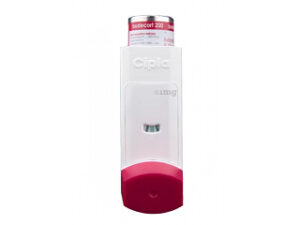
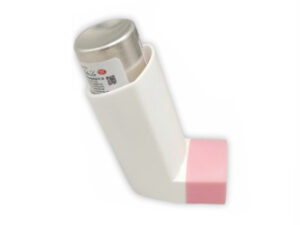
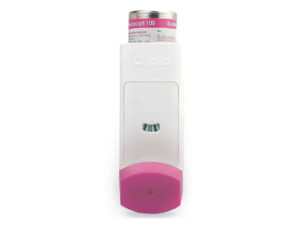
- Inhaled short-acting beta-2 agonists (e.g., salbutamol/albuterol): often used for quick relief.
- Inhaled corticosteroids and combination inhalers: used for longer-term control in conditions like asthma.
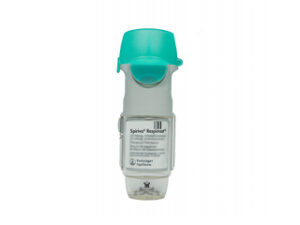
- Other bronchodilators (e.g., antimuscarinics) depending on the condition.
If your goal is body composition
There are no universally safe “over-the-counter” replacements for clenbuterol’s effects. If you are aiming for fat loss or performance, consider evidence-based approaches:
- Nutrition planning and calorie control
- Progressive resistance training and appropriate cardio
- Professional supervision (sports dietitian, GP, or specialist)
Benefit of alternatives: They are more likely to be regulated, with predictable dosing, safety monitoring, and known interactions.
Market and legal context in the United Kingdom
In the UK, medicines are regulated under frameworks administered by the Medicines and Healthcare products Regulatory Agency (MHRA). Only medicines with appropriate authorisation can be marketed and supplied as medicinal products. Products sold online may not be legitimate medicinal products; they may be:
- Unlicensed or not authorised in the UK
- Counterfeit or inaccurately labelled
- Involved in unregulated supply where quality cannot be guaranteed
Why this matters for patients: Inconsistent purity and dosing can increase risk of side effects and make it harder to manage any adverse reactions.
Recent guidance (high-level): The UK and wider Europe continue to emphasise safe use of medicines, concerns about online counterfeit products, and the importance of using authorised treatments. For the latest country-specific updates, consult MHRA resources and NHS guidance.
Recent guidance and safety messaging
Across the UK healthcare system, the key messages around medicines like clenbuterol in non-standard use include:
- Do not rely on “supplement” listings for regulated drug dosing and composition
- Recognise cardiovascular risk in beta-2 agonist use
- Seek professional support if symptoms such as palpitations, tremor, or weakness occur
If you are considering any medicine that is not commonly prescribed in the UK, it is wise to review current MHRA alerts and NHS advice on buying medicines safely online.
Delivery and availability (UK)
Availability of clenbuterol in the UK may be limited, and supply arrangements online can be unreliable. If a site lists clenbuterol for UK delivery, customers should confirm:
- Regulatory status of the product in the UK (authorised medicinal product vs unlicensed goods)
- Packaging and labelling (clear batch/lot information and correct dosage form)
- Quality assurance claims backed by credible documentation
- Shipping and delivery terms, including tracking and returns
What we recommend before ordering online: Prefer suppliers that are transparent about licensing, provide clear product information, and follow UK consumer and medical product standards. If in doubt, ask a healthcare professional for advice on safe alternatives.
Product details summary
| Category | Information |
|---|---|
| Generic name | Clenbuterol |
| Drug class | Beta-2 adrenergic receptor agonist |
| Main actions | Bronchodilation; possible effects on metabolic signalling |
| Route | Oral (commonly tablet or liquid forms in some markets) |
| Common side effects | Tremor, headache, anxiety/nervousness, increased heart rate, sweating |
| Serious risks | Arrhythmias, chest pain, fainting, significant weakness (electrolyte imbalance) |
| Interactions | Stimulants, other beta-agonists, diuretics, heart-rhythm medicines, liver enzyme modifiers |
| Alcohol | May increase dizziness, palpitations, and dehydration-related risks |
FAQ
Is clenbuterol available in the UK?
Clenbuterol is subject to strict UK regulation. Availability as an authorised medicinal product may be limited. If you see clenbuterol sold online, check carefully whether it is legally supplied and accurately labelled. When in doubt, consult a UK healthcare professional or rely on standard UK treatments.
What does clenbuterol do to the body?
It stimulates beta-2 receptors, which can relax airway muscles and improve airflow. It may also influence metabolic signalling, which is why some people pursue it for non-medical goals. The side effects often reflect these beta-2 effects as well.
How long does it take to work?
With oral medicines, effects may begin within hours depending on absorption and individual factors. Because of variability in products and dosing practices, timelines can differ. If you have been advised to use it, follow the specified schedule.
Can I take it with food?
Food can change absorption rates for some oral medicines. If you experience stomach upset, taking with food may be easier for you, but keep your timing consistent. Avoid changing multiple variables at once (dose and meal timing) if you are trying to assess side effects.
What are the most common side effects?
Commonly reported effects include tremor, headache, nervousness/anxiety, sweating, and increased heart rate or palpitations.
When should I seek urgent help?
Seek urgent medical help if you have chest pain, fainting, severe shortness of breath, or an irregular/very fast heartbeat that doesn’t settle, or if you develop severe weakness that feels unusual or rapidly worsening.
Does alcohol increase risk?
Yes. Alcohol may worsen dehydration and cardiovascular stress, potentially increasing dizziness, palpitations, and tremor. Keep alcohol minimal and avoid binge drinking.
Can it interact with other medicines?
Potential interactions include other beta-agonists, stimulants, diuretics (electrolyte shifts), drugs that affect heart rhythm, and medicines that alter liver drug metabolism. Always review all medicines and supplements with a healthcare professional or pharmacist.
Are there safer alternatives?
For respiratory symptoms, UK standard care typically uses authorised inhalers and other controller treatments based on diagnosis. For body composition goals, evidence-based nutrition and training approaches (and professional support) are safer than relying on non-standard drug use.
What should I do if I miss a dose?
Do not double up unless a healthcare professional has advised you to. If you are unsure, seek guidance from a pharmacist or clinician.
Disclaimer: This information is provided for general education. Clenbuterol carries potential cardiovascular and other risks. If you have any medical condition or are taking other medicines, seek advice from a qualified UK healthcare professional before using any non-standard medicine. For the safest treatment, rely on therapies that are authorised and appropriate for your diagnosis.