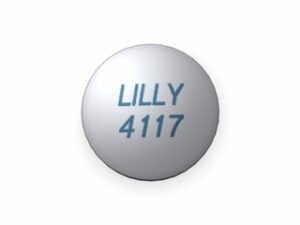



Quetiapine (Seroquel® and generic brands) — Patient Information
Quetiapine is a medicine used to treat certain mental health conditions. It works by affecting brain chemicals involved in mood, thought, and perception. This guide explains how quetiapine works, when it’s taken, important safety information, and practical tips for everyday use in the United Kingdom.
Note: Brand names vary (for example, Seroquel® for some strengths). This page is written to be patient-friendly and general in nature. Always follow the instructions provided with your specific product and consult a healthcare professional for personal advice.
Basic product information
| Field | Details |
|---|---|
| Generic name | Quetiapine |
| Common brand examples | Seroquel® (brand availability may vary) |
| Medicinal class | Atypical antipsychotic (second-generation) |
| How it’s taken | Oral tablets or prolonged-release formulations (e.g., XR where applicable) |
| Typical strengths | Varies by formulation (commonly 25 mg, 50 mg, 100 mg, 200 mg, 300 mg, 400 mg; exact ranges depend on product type) |
| Key point | Dose is usually increased gradually to reduce side effects and improve tolerability |
How quetiapine works (mechanism of action)
Quetiapine is an atypical antipsychotic. It influences several receptors in the brain, especially:
- Serotonin (5‑HT) receptors (including 5‑HT2A): helps support mood and perception processes.
- Dopamine receptors (especially D2): contributes to reducing symptoms such as hallucinations or delusional thoughts.
- Histamine (H1) receptors: may contribute to sedation and sleepiness.
- Alpha-1 adrenergic receptors: can contribute to dizziness or lower blood pressure when standing.
Because quetiapine affects multiple receptor systems, it can help with symptoms related to mood disorders and psychosis. In some people, it can also improve sleep, particularly early in treatment.
Pharmacokinetics (how your body processes it)
Pharmacokinetics describes how the body absorbs, distributes, metabolises, and eliminates a medicine.
- Absorption: Quetiapine is absorbed after you take it by mouth. The exact absorption can differ between immediate-release and prolonged-release products.
- Metabolism: Most quetiapine is metabolised by the liver, mainly via the enzyme system CYP3A4. This means other medicines that strongly affect CYP3A4 can change quetiapine levels.
- Distribution: Quetiapine distributes widely throughout the body, including the brain.
- Elimination: It is cleared mainly as metabolites through the kidneys and via faeces. Clearance can be slower in some people, especially at older ages or with liver impairment.
- Half-life: The active process in the body lasts for a number of hours; dosing frequency depends on the formulation.
Practical takeaway: Because quetiapine metabolism involves liver enzymes, interactions with certain medicines (see below) can be important, and dose adjustments may be needed in liver impairment.
What quetiapine is used for (typical use and indications)
Quetiapine is used to treat several conditions, depending on formulation and dose.
Common indications
- Schizophrenia
- Bipolar disorder
- Mania associated with bipolar disorder
- Depressive episodes associated with bipolar disorder
- Maintenance to help prevent relapse in some cases
- Adjunctive treatment for depressive episodes (in combination with an antidepressant in specific circumstances)
Important: The exact use and dosing depend on the diagnosis, the formulation (immediate vs prolonged release), and individual factors.
When to take quetiapine (timing and routine)
Timing can vary depending on the condition being treated and whether you are using immediate-release or prolonged-release quetiapine. Many people find it helpful to plan doses around when they might feel sleepy.
General timing guidance
- Once daily dosing (often for prolonged-release products): frequently taken in the evening or at bedtime.
- Multiple daily dosing (often for immediate-release products): doses may be taken morning and evening, or twice daily—follow your specific instructions.
- Gradual dose increases: early treatment commonly involves a step-by-step titration to improve tolerability.
Consistency matters: Try to take quetiapine at the same times each day. If you change your routine significantly, discuss it with your prescriber or pharmacist.
Food interactions
Quetiapine can be taken with or without food, but the best approach depends on the formulation.
- Immediate-release: food may affect how quickly it’s absorbed; many people take it consistently with meals or consistently without.
- Prolonged-release (XR): absorption characteristics can differ; avoid changing meal timing abruptly without advice.
Practical tip: If you notice nausea, dizziness, or unusual drowsiness, your pharmacist may suggest how to align dosing with meals.
Alcohol and medicine interactions
Alcohol
Alcohol and quetiapine are not a good combination. Quetiapine can cause drowsiness, dizziness, and slowed reaction times. Alcohol can intensify these effects, increasing the risk of falls, poor judgement, and accidents.
- Avoid or keep alcohol to an absolute minimum.
- If you choose to drink, do so only with healthcare guidance and never “test” the combination when you’ve newly started or increased the dose.
Other medicines that may interact
Because quetiapine is processed by CYP3A4, medicines that strongly inhibit or induce CYP3A4 can change quetiapine levels.
Examples of medicines that can increase quetiapine levels (and side effects)
- Certain antifungals (e.g., some azoles)
- Some antibiotics (e.g., macrolides)
- Some HIV medicines
- Some medicines used for hepatitis C
- Some other psychiatric medicines that affect CYP3A4
Examples of medicines that can reduce quetiapine levels (and effectiveness)
- Carbamazepine and other enzyme-inducing medicines
- Rifampicin (for tuberculosis)
- Phenytoin
- St John’s wort (a herbal product)
Additional interaction concerns
- Other medicines that cause drowsiness (e.g., benzodiazepines, opioids, some sleep medicines): may increase sedation and breathing risk in vulnerable people.
- Blood pressure medicines or dehydration: may increase dizziness or fainting due to lower blood pressure.
- Medicines affecting heart rhythm: quetiapine may affect the heart’s electrical activity in some circumstances (QT interval considerations). Your pharmacist may check your current medicines for risk factors.
- Anticholinergic medicines: may worsen constipation, dry mouth, and urinary retention.
Tip: Always tell your pharmacist about all medicines you take, including over-the-counter products and herbal supplements.
Dose and how to take quetiapine
Dose is individualised. Your starting dose and adjustments depend on the condition being treated, formulation, age, liver function, and how you respond to treatment.
General principles
- Start low, go slow: doses are commonly increased gradually.
- Follow the exact instructions: do not alter the dose or stop suddenly without medical guidance.
- Swallow whole where required: some tablets must not be crushed or opened. If you have swallowing difficulties, ask your pharmacist.
Typical dosing schedule (generalised)
Because dosing varies widely, the schedule below is for general illustration only and may not match your specific product or condition.
| Condition (examples) | Typical approach | Notes |
|---|---|---|
| Schizophrenia | Gradual titration to an effective maintenance dose | Often taken in divided doses for immediate-release; prolonged-release is commonly once daily |
| Bipolar mania | Gradual titration; ongoing maintenance as needed | Response and tolerability guide dose changes |
| Bipolar depression | Carefully titrated dose with monitoring for sleepiness and blood pressure changes | May be used alone or as an add-on depending on case |
| Maintenance in bipolar disorder | Continued use at an effective dose | Regular review is recommended |
| Depression as an add-on to antidepressant therapy (where indicated) | Low starting dose with gradual increase | Often chosen to help improve depressive symptoms and sleep |
If you miss a dose: Take it when you remember if it’s close to the next dose. If it’s almost time for the next dose, skip the missed one. Do not double up. If you’re unsure, check with your pharmacist.
Safety profile and common side effects
Like all medicines, quetiapine can cause side effects. Many are more common when starting treatment or after dose increases and often improve over time.
Common side effects
- Drowsiness / sedation
- Dizziness, especially when standing up
- Dry mouth
- Headache
- Constipation
- Increased appetite and weight gain
- Feeling weak
Important but less common risks
- Low blood pressure (orthostatic hypotension), particularly early in treatment
- Changes in heart rhythm (QT prolongation in susceptible individuals)
- Metabolic changes: raised blood sugar and cholesterol may occur in some people
- Movement-related effects: tremor or restlessness may occur
- Sleep disturbances: though it may cause drowsiness, some people experience odd sleep patterns
- Blood disorders: rare changes in blood counts can occur—monitoring may be needed
Seek urgent medical help if you experience
- Signs of an allergic reaction (swelling of face/lips, rash, trouble breathing)
- Fainting or severe dizziness
- Severe muscle stiffness, high temperature, confusion (rare but serious)
- Chest pain, severe palpitations, or sudden collapse
- Uncontrolled movements or sudden worsening of symptoms
- Symptoms of severe high blood sugar (extreme thirst, frequent urination, confusion)
Do not stop suddenly without healthcare advice, as this may worsen symptoms and may lead to withdrawal-type effects such as insomnia, nausea, or return of mood symptoms.
Practical use tips (making treatment easier)
- Plan for sleepiness early on: Avoid driving or operating machinery until you know how quetiapine affects you.
- Move slowly: If you feel lightheaded, sit up slowly and stand gradually.
- Hydration and constipation prevention: Drink fluids, eat fibre, and consider discussing stool-softening options with a pharmacist if constipation becomes troublesome.
- Monitor weight and health markers: If you’re at risk of diabetes or heart disease, ask your clinician about regular checks for weight, glucose, lipids, and blood pressure.
- Set reminders: Using a phone alarm or pill organiser can help you stay consistent.
- Don’t mix with sedatives casually: Talk to a pharmacist before combining with sleeping pills, opioids, or strong antihistamines.
- Keep your review appointments: Quetiapine may require dose adjustments over time.
Alternative options
“Best” alternatives depend on the condition being treated, symptom pattern, your medical history, and tolerability. If quetiapine isn’t suitable or isn’t effective enough, clinicians may consider other treatments.
Medication alternatives (examples)
- Other atypical antipsychotics (for psychosis or bipolar symptoms) — selection depends on side-effect profile and response
- For bipolar depression: other mood-stabilising options or specific bipolar antidepressant strategies depending on guidance
- For insomnia or anxiety symptoms: non-drug strategies and/or other medicines where appropriate
Non-medicine approaches that may support recovery
- Psychological therapies (e.g., CBT for depression/anxiety where suitable)
- Sleep hygiene and routine-building
- Regular physical activity (as tolerated)
- Support for substance use if relevant
Ask your healthcare team: They can explain which alternatives are most relevant to your diagnosis and personal risk factors.
United Kingdom market & legal context (overview)
In the UK, medicines like quetiapine are regulated to ensure safe use. Access and supply arrangements depend on the specific product, dose, and national healthcare pathways.
- Regulation: Quetiapine is subject to UK medicines regulation and pharmacy controls.
- Clinical oversight: Mental health medicines require ongoing assessment to confirm benefit and monitor side effects.
- Pharmacovigilance: Adverse effects can be reported to support safety monitoring.
Recent guidance context: Ongoing NHS and professional guidance emphasises careful monitoring of metabolic risk (weight, blood sugar, cholesterol), review of ongoing need, and attention to cardiovascular safety and sedation risk—especially at initiation and after dose changes.
Recent guidance themes (what clinicians often focus on)
While individual plans vary, UK practice commonly highlights:
- Shared decision-making about benefits and side effects
- Baseline checks or risk review (e.g., metabolic and cardiovascular risk)
- Regular follow-up to optimise dose and minimise unnecessary long-term exposure
- Consideration of sedation when advising on work, study, and driving
- Careful interaction checks, particularly with strong CYP3A4 modulators
Delivery and availability in the UK
Availability varies by supplier and formulation strength. When ordering online in the UK:
- Product availability: Some strengths or prolonged-release versions may be subject to stock levels.
- Dispatch times: Dispatch can depend on verification processes and courier collection times.
- Packaging: Medicines are typically supplied in protective, labelled packaging to support safe handling.
- Storage: Follow the storage instructions on the product outer label (commonly “store below 25°C” unless otherwise stated) and keep away from heat and moisture.
Tip: If you need a specific strength (e.g., 50 mg vs 200 mg) or formulation (immediate vs prolonged-release), double-check the product description before ordering.
FAQ
1) How quickly does quetiapine work?
Some people notice improvements in sleep, anxiety, or agitation within the first days. Mood and psychosis symptoms may take longer—often several weeks—depending on the condition and dose. Early follow-up is important after starting or changing dose.
2) Will quetiapine make me feel sleepy?
It can. Sedation is a common early effect, especially at the start or after dose increases. Many people adjust as treatment continues, but you should be cautious with driving and alcohol.
3) Can I drive while taking quetiapine?
Do not drive (or use machinery) until you know how quetiapine affects you personally. Sedation, dizziness, and slowed reaction times can impair driving ability. If you feel drowsy, avoid driving and speak with your pharmacist or clinician.
4) What should I do if I miss a dose?
Take it when you remember if it’s not near the next dose. If the next dose is soon, skip the missed dose. Do not double up. If you miss multiple doses, contact a healthcare professional for advice.
5) Is quetiapine safe for long-term use?
Many people use quetiapine long term when it’s beneficial. Safety depends on dose, monitoring, and individual risk factors. Regular review helps balance benefits against risks such as weight change, metabolic effects, and sedation.
6) What monitoring might I need?
Your clinician may monitor weight, blood pressure, blood sugar (glucose), and lipids (cholesterol). If you have specific risk factors or symptoms, additional monitoring may be recommended.
7) Can I take quetiapine with other antidepressants?
Sometimes yes, depending on the condition and the specific antidepressant. Interactions vary—so your pharmacist should review all your medicines and supplements for safety.
8) Does quetiapine interact with herbal products like St John’s wort?
Yes. St John’s wort can affect liver enzymes and reduce quetiapine levels, potentially making it less effective. Avoid it unless your pharmacist or clinician specifically advises otherwise.
9) What are warning signs that I should contact a clinician urgently?
Seek urgent help if you have severe dizziness/fainting, chest pain or severe palpitations, signs of allergy, severe fever with muscle stiffness/confusion, or symptoms suggesting severe high blood sugar. When in doubt, contact urgent medical services.
10) How should quetiapine be stored?
Store according to the leaflet or outer label instructions. Keep medicines out of sight and reach of children, protect from heat and moisture, and ensure the packaging is intact.
Summary
Quetiapine is an atypical antipsychotic commonly used for conditions such as schizophrenia and bipolar disorder (including depressive episodes in bipolar disorder). It works by acting on multiple brain receptors that influence mood and perception. Because it can cause sleepiness, dizziness, and may affect weight and metabolic health, careful dosing, monitoring, and interaction checking are important. If you have questions about timing, food, alcohol, side effects, or other medicines you take, your pharmacist is a great first point of contact.