Proventil (Salbutamol) — Patient Guide (UK)
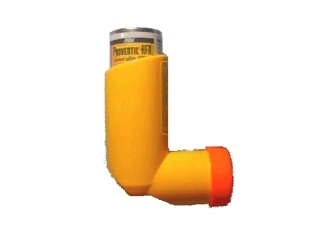
Proventil contains salbutamol (also known as albuterol). It is a fast-acting medicine used to relieve symptoms of reversible airway problems such as asthma and some types of wheezing in chronic lung disease. This page explains what Proventil does, how it works, how it’s typically used, and important safety information for people in the United Kingdom.
Always follow the instructions provided with your product and any advice from your healthcare professional. If you are unsure about your inhaler technique or dosing, ask a pharmacist or asthma nurse for a demonstration.
Basic product information
- Medicine name: Proventil
- Active ingredient: Salbutamol (albuterol)
- Common forms: Inhalers and nebuliser solutions (availability depends on the specific product presentation)
- What it’s used for: Rapid relief of breathing difficulties from bronchospasm
- Onset: Usually within minutes when inhaled
In the UK, salbutamol is widely available under different brand names and as generic medicines. Proventil refers to salbutamol preparations that may be available in various strengths and devices.
How Proventil works (mechanism of action)
Proventil (salbutamol) is a short-acting beta2-agonist (SABA). Beta2 receptors are found mainly in the smooth muscle of the airways. When salbutamol is inhaled, it stimulates these receptors, leading to:
- Relaxation of bronchial smooth muscle (bronchodilation)
- Wider airways, making it easier to breathe out and move air
- Reduced airway resistance during episodes of wheeze or tightness
Importantly, Proventil relieves symptoms by opening the airways, but it does not treat the underlying inflammation that may be responsible for asthma control problems. For long-term control, many people also need an inhaled corticosteroid or other controller therapy.
Pharmacokinetics (what the body does to the medicine)
Pharmacokinetics describes how the body absorbs, distributes, metabolises, and eliminates a medicine. The exact profile can vary with the formulation (inhaler versus nebuliser) and the person’s condition.
- Absorption: When inhaled, salbutamol reaches the airways quickly. A portion may be swallowed and absorbed through the gut.
- Distribution: Salbutamol is distributed in the body after absorption.
- Metabolism: It is primarily metabolised in the liver.
- Elimination: Metabolites are mainly excreted in urine.
Because salbutamol acts quickly through inhalation, the clinical effect typically starts soon after use. The duration of symptom relief can vary, but it is generally short compared with long-acting bronchodilators.
Typical use in asthma and other breathing conditions
Proventil is commonly used as a reliever for episodes of bronchospasm, such as:
- Wheezing
- Shortness of breath
- Tight chest
- Cough associated with reversible airway narrowing
It may be used:
- To treat acute symptoms
- Before exercise or exposure to triggers if advised
- As part of an asthma action plan, where a reliever is needed
If you’re using a reliever more often than usual, it can be a sign that asthma is not well controlled. In the UK, National Institute for Health and Care Excellence (NICE) guidance and primary care practice emphasise reviewing asthma control when reliever use increases.
Timing: when to take Proventil and how quickly it works
The timing depends on the situation and the device type:
- Relief of symptoms: Relief often begins within a few minutes after inhalation.
- Peak effect: Often reached soon after initial onset.
- Duration: Effects usually last a few hours, but can vary by individual and severity.
For best results, proper inhaler technique is essential. If you use a puffer, a spacer may improve delivery to the lungs and reduce side effects like throat irritation.
Indications (what it’s used for)
Salbutamol is indicated for reversible bronchospasm and relief of symptoms related to airway narrowing. It’s used in:
- Asthma (including episodic wheeze)
- Chronic obstructive pulmonary disease (COPD) where reversible episodes may occur (local clinical practice may vary)
- Other conditions causing bronchospasm under clinical advice
Proventil is a reliever and is typically not the only treatment needed for persistent asthma. If your symptoms keep returning, you may need a controller (preventer) medicine.
Dosing (general information)
Dosing varies by age, severity, and the specific formulation. Because product strengths and devices can differ, dosing should be confirmed with the packaging or clinical instructions that came with your medicine.
General reliever principles:
- Use the lowest effective dose to relieve symptoms.
- If symptoms are not improving as expected, follow your asthma action plan or seek medical advice urgently.
- Frequent use may indicate poor control and warrants a review.
Examples of dosing patterns (for illustration only): Many salbutamol reliever regimens use short “as needed” dosing for symptom relief. Your exact regimen should follow your device instructions and any personalised action plan.
If you want, tell us your age and whether you use a metered-dose inhaler (puffer), breath-actuated inhaler, or nebuliser, and we can help you understand how dosing instructions are commonly structured—always aligning to your specific product label.
Food interactions
There are usually no significant food–drug interactions with inhaled salbutamol. When some salbutamol is swallowed (which can happen with inhalers), it is still generally unlikely to be affected by food.
- Inhalers: Food is not typically a concern.
- Nebulisers: Similar considerations; however, if you are given other treatments at the same time, check those individually.
If you are taking other medicines for asthma or COPD (such as inhaled corticosteroids, theophylline, or antibiotics), those interactions depend on the specific medicine and should be reviewed separately.
Alcohol interactions
Moderate alcohol intake is not known to directly interact in a typical way with inhaled salbutamol. However, alcohol can worsen breathing for some people by affecting sleep, airway irritation, dehydration, or overall respiratory health.
- Avoid excess alcohol if it makes wheeze or breathlessness worse.
- If you feel more short of breath after drinking, discuss it with your clinician.
Medicine interactions (important)
Salbutamol can interact with other medicines, especially those affecting heart rhythm, potassium levels, or the action of beta-agonists. Always check your medicine list with a pharmacist if you’re starting or stopping any new medicine.
Medicines that may increase side effects or affect heart rhythm
- Beta-blockers (including some eye drops): can reduce the effect of salbutamol and may worsen breathing in susceptible people.
- Some antidepressants or other medicines that affect heart rhythm: may increase the risk of palpitations.
Medicines that may lower potassium
Salbutamol can cause a shift of potassium into cells, sometimes leading to a drop in blood potassium. Risk of clinically important low potassium may be higher when combined with other medicines that lower potassium, such as:
- High-dose oral corticosteroids
- Diuretics (water tablets)
- Some other bronchodilators depending on therapy
Common asthma/COPD medicines
- Inhaled corticosteroids (ICS): no problematic interaction is expected; they are often used together in a treatment plan.
- Long-acting bronchodilators: used for prevention rather than immediate relief; confirm your schedule.
If you have heart disease, uncontrolled high blood pressure, thyroid disease, diabetes, or a history of low potassium, seek advice before frequent dosing.
Safety profile: side effects and when to get help
Most people tolerate salbutamol well, particularly when used as prescribed for short periods. Side effects are more likely when doses are higher or used frequently.
Common side effects
- Tremor (shaking, often hands)
- Headache
- Feeling “jittery”
- Fast heartbeat (palpitations)
- Muscle cramps
- Irritation of mouth or throat (especially if inhaler technique is poor)
Less common but important effects
- Irregular heartbeat
- Low potassium (more likely with high doses)
- Chest pain
- Worsening breathing paradoxically (rare)
Seek urgent medical help if
- Your breathing is worsening or not improving after using your reliever
- You have severe difficulty breathing, inability to speak full sentences, or severe fatigue
- There is blue discolouration around lips/face
- You experience chest pain, fainting, or severe palpitations
In the UK, if symptoms are severe or you’re worried, contact 999 or 111 (depending on urgency) or seek emergency care. If you have an asthma action plan, follow it.
Practical use tips (to get the best effect)
1) Use correct inhaler technique
Incorrect technique is a common reason inhalers don’t work properly. Key steps (typical for many MDIs) include:
- Remove the cap and check the mouthpiece.
- Shake the inhaler if your device instructions say to.
- Breathe out gently away from the inhaler.
- Seal your lips around the mouthpiece.
- Start breathing in slowly and press the canister (for MDIs).
- Keep breathing in steadily and hold your breath briefly (if able).
- Wait between puffs as advised and repeat if needed.
2) Consider using a spacer
Spacers can improve delivery to the lungs and reduce deposition in the mouth/throat. They are especially useful for children, people who struggle with hand–breath coordination, and those who experience throat irritation.
3) Check expiry and storage
- Check the expiry date.
- Store as directed on the pack (typically at room temperature, protected from extremes).
4) Nebuliser tips (if your product is a nebuliser)
- Use only with compatible nebuliser equipment.
- Clean the device regularly to reduce contamination risk.
- Follow the prescribed volume and frequency on your instruction sheet.
5) Know your triggers and patterns
- Allergies, viral infections, cold air, smoke, exercise, and dust may worsen symptoms.
- If you often need reliever doses, it may be time for a treatment review.
Timing and “as needed” use: what counts as too much?
Reliever medicines are intended for symptom relief. However, increased reliance can indicate inadequate control. Although individual action plans differ, a general UK-focused approach is:
- If you’re needing your reliever more frequently than usual, speak to your clinician.
- If reliever use doesn’t restore normal breathing, seek urgent help as appropriate.
- Don’t increase doses repeatedly without advice if symptoms persist.
Many people benefit from a written asthma action plan that clearly describes when to use reliever, when to start oral steroids, and when to seek emergency care.
Safety considerations for specific groups
- Children: Technique and spacer use can be especially important. Dosing must follow age-specific instructions on the product or clinician guidance.
- Pregnancy and breastfeeding: Salbutamol is commonly used when clinically needed; discuss risks and benefits with a healthcare professional.
- Older adults: Monitor for palpitations or interactions with other heart medicines.
- People with heart disease, hyperthyroidism, or diabetes: Be extra cautious, as beta-agonists can affect heart rate and metabolism.
If any of these apply to you, confirm the safest approach with your pharmacist or GP.
Alternative options (reliever and controller choices)
Depending on your diagnosis and symptoms, alternative therapies may be considered. Options commonly used in the UK include:
Other short-acting bronchodilators
- Other salbutamol brands/generics with the same active ingredient
- Short-acting antimuscarinic agents (for some COPD flare-ups, often delivered via inhaler/nebuliser under advice)
Preventers (for better long-term control)
- Inhaled corticosteroids (ICS) are the foundation of asthma control for many people.
- Combination inhalers (ICS + long-acting bronchodilator) may be appropriate for some patients.
When to review your treatment
- Symptoms waking you at night
- Frequent use of reliever inhalers
- Limitations on normal activity due to breathlessness
- Recent exacerbations requiring urgent care
A tailored plan is best made with a clinician, especially if your symptoms are changing.
Market and legal context in the United Kingdom
In the UK, salbutamol inhalers and nebuliser formulations are used widely in NHS and private care. Availability can vary by brand, device type, and whether a product is classified as prescription-only versus available through pharmacy supply routes (classification depends on the specific product and formulation).
Online pharmacies in the UK must comply with relevant pharmaceutical regulations, patient safety checks, and medicine supply rules. If a medicine requires assessment, the pharmacy process may include questions about age, symptoms, and suitability.
Recent guidance and clinical practice notes (UK)
UK asthma and COPD care commonly follows guidance from organisations such as NICE and the British Thoracic Society (BTS), alongside NHS local protocols. Key themes include:
- Assessing control: reviewing symptom frequency, reliever use, and any recent exacerbations.
- Optimising inhaler technique: ensuring patients can use devices effectively.
- Using anti-inflammatory preventer therapy when needed: particularly in asthma.
- Providing a written action plan: so people know what to do during flare-ups.
If your reliever use is increasing or you’re having flare-ups, ask for an asthma review. Better control can reduce the need for urgent treatment and improve quality of life.
Delivery and availability (UK online pharmacy)
Availability of Proventil (salbutamol) can depend on stock levels and the specific device type (for example, metered-dose inhaler versus nebuliser solution). Delivery times also vary by courier and postcode area.
- In-stock items: commonly dispatched quickly once payment and checks are complete.
- Out-of-stock items: may require backorder or an alternative suggestion (where appropriate).
- Packaging: medicines are typically supplied in manufacturers’ packaging.
If you need the medicine urgently (for example, around travel or in case of flare-ups), contact customer service to check dispatch timing and options.
FAQ
1) Is Proventil the same as salbutamol?
Yes. Proventil contains salbutamol, which is a short-acting beta2-agonist used to relieve bronchospasm and quickly ease breathing symptoms.
2) How fast will Proventil work?
When inhaled correctly, it usually starts working within a few minutes. Peak effect often occurs shortly after that. If you feel no improvement, check inhaler technique and follow your action plan—seek advice if symptoms persist or worsen.
3) Can I use Proventil every day?
Some people may use reliever medicines regularly during periods of unstable symptoms, but regular daily use can be a sign that underlying asthma or airway inflammation is not well controlled. Many people benefit from a controller medicine to reduce reliever need. Discuss your pattern of use with a clinician or pharmacist.
4) What if my inhaler tastes bitter or I get throat irritation?
That can happen, especially if part of the dose deposits in the mouth/throat. A spacer may help. Rinsing or gargling after use (where relevant) can also reduce irritation. Check whether your device is being primed and used correctly.
5) Can I drink alcohol while using Proventil?
Moderate alcohol is not known to have a direct interaction with salbutamol, but alcohol may worsen breathing in some people. If alcohol triggers symptoms, reduce intake and seek advice.
6) Does food affect Proventil?
Food usually does not affect inhaled salbutamol. If you swallow some medicine after inhaling, it’s typically still not significantly affected by meals.
7) What are the most common side effects?
Common effects include tremor, headache, and feeling slightly “jittery”, along with possible fast heartbeat/palpitations. If side effects are severe or persistent, get medical advice.
8) What medicines should I be careful with?
Beta-blockers (including some eye drops), certain heart-rhythm–affecting medicines, and medicines that can lower potassium (e.g., some diuretics or high-dose steroids) may be relevant. If you’re taking multiple medicines, ask a pharmacist to review potential interactions.
9) Is Proventil safe for children?
Salbutamol is used in children when clinically needed, but dosing depends on age and weight and must follow the product instructions or clinician advice. Technique and spacer use can be particularly important.
10) When should I seek urgent help?
Seek urgent medical attention if you have severe breathlessness, difficulty speaking, worsening symptoms that don’t improve after using your reliever, chest pain, fainting, or lips/face turning blue.
Summary
Proventil (salbutamol) is a fast-acting reliever that helps open the airways in people with reversible bronchospasm. It can start working quickly, but it does not treat airway inflammation on its own. If you need it more often than usual or symptoms are not well controlled, it’s important to seek a review and ensure your long-term treatment plan is optimised.
For the safest use, follow the instructions on your specific product packaging, use correct inhaler technique (and a spacer if appropriate), and contact a healthcare professional if you’re unsure.