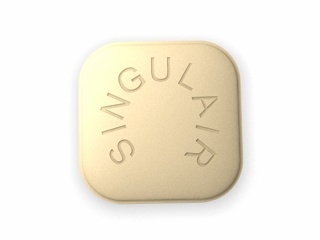
Singulair (Montelukast) – Patient-Friendly Guide (UK)
Singulair is a medicine containing montelukast. It is used to help prevent symptoms of asthma and to treat allergic (hay fever). This page explains how it works, how to take it, what to expect, and important safety information for people in the United Kingdom.
1) Basic product information
- Active ingredient: Montelukast
- Brand name: Singulair
- Medicinal form (commonly available): tablets and oral granules (depending on strength and age group)
- Typical dosing strengths in practice (by age): 4 mg (children), 5 mg (children), 10 mg (adults and some older children)
- How it’s taken: by mouth once daily (often in the evening)
- ATC code: R03DC03 (commonly used for reference)
Always check the strength and formulation on your specific pack. Your pharmacist can confirm the correct product for your age and needs.
2) What Singulair is for (indications in the UK)
Montelukast is prescribed for the following common reasons (use can vary by local guidance and individual circumstances):
- Asthma prevention (long-term control): Helps reduce airway inflammation and helps prevent asthma symptoms. It is not a “reliever” for sudden attacks.
- Exercise-induced symptoms / asthma symptoms triggered by allergens: May be helpful where symptoms are linked to allergies or certain triggers.
- Allergic rhinitis (hay fever): Helps relieve symptoms such as sneezing, runny/blocked nose, and itching, including seasonal or year-round forms depending on the condition.
- Dual indication: Some people use it when both asthma and allergic rhinitis occur together.
Important: If you have asthma, you should have a plan for your usual rescue inhaler (often a short-acting beta-agonist). Singulair is intended for long-term control and prevention.
3) How Singulair works (mechanism of action)
Montelukast is a leukotriene receptor antagonist. Leukotrienes are chemical messengers involved in inflammation and airway tightening.
By blocking the leukotriene (CysLT1) receptor, montelukast helps to:
- Reduce airway inflammation
- Lower bronchoconstriction (narrowing of airways)
- Improve symptoms associated with allergic reactions
- Support overall asthma control for some people, especially when symptoms relate to allergy
It is not an immediate bronchodilator. Instead, benefits build as inflammation is controlled.
4) Pharmacokinetics (how the body handles montelukast)
Pharmacokinetics describes how the body absorbs, distributes, metabolises, and eliminates a medicine.
- Absorption: Montelukast is absorbed from the gut after oral dosing. It reaches peak levels in the blood typically within a few hours (often around 3 hours, depending on formulation and individual factors).
- Distribution: The drug is widely distributed in the body tissues. It binds to plasma proteins.
- Metabolism: Montelukast is metabolised mainly in the liver (including pathways involving CYP enzymes).
- Elimination: It is removed from the body through metabolism and excretion, including via the bile into the gut. The overall elimination half-life is typically several hours (often around 2–3 hours in general references, though it can vary).
- Food effect: The presence of food can influence the timing of peak blood levels, but it generally does not drastically change the overall amount absorbed for most people.
Clinical response matters more than exact blood levels. Take it consistently as advised.
5) Timing: when to take Singulair
In many regimens, montelukast is taken . This is commonly recommended because some asthma symptoms and night-time symptoms may be more noticeable at night.
- Choose a consistent time: e.g., 7–10 pm.
- If you forget a dose: follow your local advice on missed doses from your pharmacy or medicines information leaflet. In general, if it’s close to the next dose, skip the missed dose and resume the normal schedule.
- Don’t double up: unless specifically instructed.
If you’re taking other medicines, try to keep routines simple and predictable to improve adherence.
6) Food interactions
For most people, montelukast can be taken with or without food. However, food may affect how quickly the medicine reaches peak levels in the blood.
- With food: may delay the time to peak absorption for some formulations.
- Without food: may lead to earlier peak levels.
Practical tip: Take it in the way that helps you remember—consistency is more important than taking it on an empty stomach. If your clinician has given specific advice, follow that.
7) Alcohol and medicine interactions
Alcohol
There are no well-known, specific direct interactions between montelukast and alcohol that are commonly highlighted for routine doses. However, alcohol can worsen asthma control or trigger symptoms in some people (for example, through reflux, airway irritation, or sleep disruption).
- If you drink alcohol, monitor your asthma and allergic symptoms.
- Avoid drinking if you notice it consistently worsens your breathing, coughing, or wheezing.
Other medicines
Tell your healthcare professional about all medicines you take, including over-the-counter products and herbal remedies. Some medicines can change how montelukast is processed or may affect symptom control.
Key examples of medicines that may be discussed with your pharmacist:
- Enzyme inducers (certain medicines that increase liver enzyme activity) may reduce montelukast levels.
- Other asthma and allergy medicines (inhalers, antihistamines, nasal sprays) are often used alongside montelukast, but your overall plan should be reviewed regularly.
General rule: If you start or stop any medicine, ask a pharmacist to check whether it could affect your treatment.
8) Typical dosing (how to take Singulair)
Dosing depends on age and the condition being treated. Always use the strength and schedule from your medicine label and your clinician/pharmacist’s advice.
| Age group / common use | Typical montelukast dose | Frequency | Notes |
|---|---|---|---|
| Children (often 2–5 years) | 4 mg | Once daily | May be provided as chewable tablets or oral granules depending on availability |
| Children (often 6–14 years) | 5 mg | Once daily | Commonly chewable tablets |
| Adults and adolescents (often 15+ years) | 10 mg | Once daily | Typically taken in the evening; follow your specific pack instructions |
How to take:
- Tablets: swallow whole or chew if your formulation is chewable (follow the leaflet for your specific product).
- Oral granules: can be mixed with a spoonful of soft food or taken as directed in the patient instructions. Do not crush/modify outside the instructions.
Do not change dose without advice, especially in children.
9) How soon will it work?
Many people notice improvements over days to weeks. For some symptoms, such as allergic rhinitis, benefits may be seen relatively early. For asthma control, montelukast may take consistent use before the full effect is felt.
- Allergic rhinitis: symptoms may improve over the first days.
- Asthma control: best judged after consistent daily use over time, with review of symptoms and peak flow/reliever use where relevant.
If symptoms are not improving or are worsening, seek medical advice rather than simply increasing the dose yourself.
10) Safety profile and key warnings
Montelukast is generally well tolerated, but like all medicines it has potential side effects. Some reactions are uncommon but important.
Common side effects (may include)
- Headache
- Stomach discomfort or abdominal pain
- Nausea or indigestion
- Diarrhoea
Serious mental health side effects (important UK guidance topic)
There has been concern about neuropsychiatric effects reported with montelukast. These may include changes in mood and behaviour, such as:
- Agitation
- Depression
- Sleep disturbances (including nightmares, insomnia)
- Tremor
- Hallucinations or suicidal thoughts (rare but serious)
If you or your child experiences any new or worsening mental health symptoms, contact a healthcare professional promptly for advice. If severe symptoms occur, seek urgent help.
Other important safety considerations
- Asthma: continue your asthma management plan. Singulair should not replace your reliever inhaler.
- Allergic rhinitis: seek review if symptoms persist despite treatment.
- Allergic reactions to the medicine: stop and seek urgent medical advice if you develop signs such as swelling of the face/lips, difficulty breathing, or widespread rash.
When to ask a pharmacist urgently: if you develop concerning symptoms after starting montelukast, especially sleep/mood changes or signs of allergy.
11) Practical use tips for daily life
- Use reminders: alarms on your phone can help you take it at the same time each day.
- Keep it linked to a routine: e.g., after brushing teeth or before bedtime.
- For children: ensure caregivers understand how to prepare the granules/tablets correctly.
- Track symptoms: note frequency of wheeze/cough, night-time symptoms, and reliever inhaler use. This helps determine if treatment is working.
- Don’t stop suddenly without review: if it’s been recommended for asthma control or allergic rhinitis, discuss changes with your pharmacist/clinician.
- Keep inhalers available: even if you feel better, follow your asthma action plan.
12) Alternative options for asthma and hay fever (UK)
The best alternative depends on whether the main issue is asthma, allergic rhinitis, or both, as well as your age, symptom severity, and triggers.
For asthma control
- Inhaled corticosteroids (ICS) – a core long-term controller for many people.
- Combination inhalers (ICS plus other bronchodilator controllers) for some patients.
- Long-acting bronchodilators in combination with ICS for selected cases.
- Biologic therapies for severe asthma with specific biomarkers (specialist use).
For allergic rhinitis
- Intranasal corticosteroid sprays (often first-line for many people).
- Oral antihistamines (e.g., non-drowsy options are commonly used).
- Antihistamine nasal sprays.
- Allergen avoidance measures (where possible).
When to ask about alternatives: if you have side effects, if symptoms remain uncontrolled, or if you need a different approach to match your lifestyle and trigger pattern.
13) Market and legal context in the United Kingdom
In the UK, medicines like montelukast are regulated and monitored under the national medicines safety framework. Healthcare professionals and patients are provided with official product information and safety communications through:
- National medicines information channels
- Regulatory updates and risk information based on ongoing safety monitoring
- Patient information leaflets included with each product
Recent guidance focus: Over recent years, safety communications have emphasised awareness of neuropsychiatric side effects. Many clinicians carefully consider whether montelukast is suitable for allergic rhinitis, particularly for mild cases where other treatments might be more appropriate. Your pharmacist can help you understand how this fits your situation.
This page is for information only and does not replace advice from a qualified healthcare professional.
14) Recent guidance (UK safety and decision-making)
For some conditions—especially allergic rhinitis—healthcare professionals have been encouraged to weigh benefits against potential risks and to use shared decision-making. This is largely due to the rare but important neuropsychiatric reactions reported in some individuals.
- Before starting: discuss symptom severity and alternative options.
- After starting: monitor for mood, behaviour, sleep, and attention changes.
- If symptoms occur: seek prompt advice and do not ignore changes.
15) Delivery, availability and what to expect from an online pharmacy (UK)
Availability can vary by formulation (for example, adult strength vs paediatric strengths). When ordering online, the pharmacy typically checks you have the correct product for your age and condition and that the medicine is suitable to supply.
Typical online pharmacy experience:
- Choose your required strength/form: tablet vs granules, and appropriate mg strength.
- Package discreetly: medicines are usually delivered in discreet outer packaging.
- Delivery times: many UK online pharmacies offer next-day or standard delivery, depending on stock and location.
- Cold chain: montelukast is generally stored at controlled room temperature; no special cold-chain delivery is usually required.
Storage at home: keep in the original packaging, protect from moisture, and store away from heat. Check the leaflet for exact storage instructions.
If you’re unsure: contact the pharmacy before ordering to confirm the correct strength and form for your needs.
16) FAQ (Frequently Asked Questions)
Is Singulair the same as montelukast?
Yes. Singulair is a brand name for montelukast. Some montelukast products may be available under different brand names or as generics depending on market availability.
Can I use Singulair for a sudden asthma attack?
No. Singulair is not a reliever. It helps prevent and control inflammation over time. For sudden breathing difficulties, you should use your prescribed rescue inhaler and follow your asthma action plan.
Do I take it every day?
Montelukast is typically taken once daily as part of long-term management. Even if you feel well, consistent use is important for prevention. Discuss stopping with your pharmacist or clinician.
Should I take it in the morning or evening?
Many regimens recommend taking it in the evening. If your label or pharmacist has advised a different time, follow that instruction. Aim for the same time each day.
Will food affect it?
Food may affect how quickly it reaches peak blood levels, but in most cases it is safe to take with or without food. Consistency and adherence are most important.
What if I miss a dose?
In general, take it as soon as you remember if it’s close to the usual time. If it’s near the next dose, skip the missed one and continue your normal schedule. Do not take a double dose. Your leaflet/pharmacist can provide the exact instructions.
What side effects should I watch for?
Common effects can include headache, stomach discomfort, or nausea. Importantly, monitor for mood, behaviour, agitation, sleep problems, or depressive symptoms. Seek prompt medical advice if these occur.
Can children take Singulair?
It may be used in children depending on age and formulation (for example, 4 mg or 5 mg products). Dosing must be age-appropriate, and caregivers should follow the provided instructions carefully.
Can I drink alcohol while taking it?
There are no widely known direct interactions between montelukast and alcohol. However, alcohol can worsen asthma for some people. If you notice symptoms after drinking, reduce or avoid alcohol and speak to a pharmacist.
What are the most common alternative treatments?
For asthma, inhaled corticosteroids (and other controller inhalers) are common alternatives. For hay fever, intranasal corticosteroid sprays and antihistamines are frequently used. Your suitability depends on your symptoms and medical history.
Where can I find the official patient leaflet?
Your medicine pack will include the patient information leaflet. You can also ask your pharmacist for a copy or for guidance about specific warnings and instructions.
Summary
Singulair (montelukast) is a once-daily tablet or granule medicine used to help control asthma symptoms and treat allergic rhinitis (hay fever). It works by blocking leukotrienes, which play a role in inflammation and airway narrowing. While many people tolerate it well, it has an important safety consideration: possible neuropsychiatric effects. If you notice any concerning changes in mood, behaviour, or sleep, contact a healthcare professional promptly.
For the best results: take it at the same time each day, follow your asthma/allergy action plan, and keep your inhalers and recommended treatments available.