Tretinoin (Isotretinoin) — Patient Information (UK)
Tretinoin is a brand name used in some countries for isotretinoin, a medicine in the retinoid family. In the United Kingdom (UK), the best-known oral retinoid is usually referred to as isotretinoin for acne treatment. This page is written to be patient-friendly and to explain how isotretinoin works, how it is taken, and important safety considerations.
Because isotretinoin is a powerful medicine with specific safety requirements, it is important to read the medicine leaflet provided by your pharmacist and follow the advice of your prescriber and local guidance. If anything is unclear, ask a healthcare professional.
Basic product information
- Medicine name: Isotretinoin (sometimes referred to as “tretinoin” in everyday language)
- Medicine type: Oral retinoid (vitamin A–related medicine)
- Common use: Moderate to severe acne, especially where other treatments have not worked well
- How it is supplied: Tablets or capsules (brand and strength vary)
- Where it is used: UK (subject to regulatory requirements and local prescribing criteria)
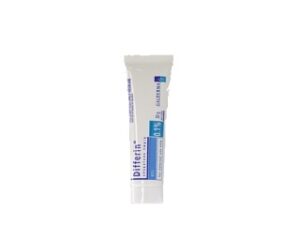
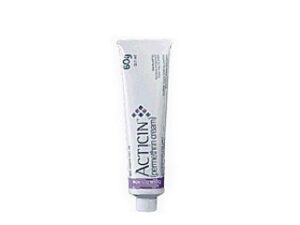
Note: There are topical products also associated with the word “tretinoin” (for example, creams/gel). This page focuses on oral isotretinoin.
How isotretinoin works (mechanism of action)
Acne develops when several processes happen together: increased oil (sebum) production, clogged pores, inflammation, and growth of acne-related bacteria. Isotretinoin targets multiple steps.
- Reduces sebum production: Isotretinoin decreases the activity of oil-producing glands.
- Normalises skin cell turnover: It helps prevent clogged pores (comedones).
- Decreases inflammation: It can reduce inflammatory signals that contribute to redness and swelling.
- Reduces acne-forming bacteria effect: By improving the skin environment, it helps limit the growth impact of acne-causing organisms.
The result is often fewer new spots and gradual improvement. Some patients see early changes, while others notice the biggest benefit after several weeks.
Pharmacokinetics: how the body absorbs and processes it
Pharmacokinetics describes what the body does with a medicine—absorption, distribution, metabolism, and elimination. Key points for isotretinoin include:
- Absorption: Isotretinoin is absorbed from the gut. Food—especially dietary fat—can significantly increase absorption.
- Protein binding: Isotretinoin is highly protein-bound, influencing how it circulates in the body.
- Metabolism: It is metabolised in the liver (primarily by enzymes including CYP pathways), forming active metabolites.
- Elimination: The metabolites are removed mainly via urine and faeces.
- Half-life (general concept): Isotretinoin and its metabolites persist for a period after stopping, which matters for pregnancy prevention timing and drug interactions.
Your clinician may request periodic blood tests because isotretinoin can affect liver function and blood fat levels.
Typical use and timing
What it is used for
Isotretinoin is typically used for moderate to severe acne and for acne that:
- Has not responded adequately to standard treatments (for example oral antibiotics and topical therapies)
- Is causing scarring or a high risk of scarring
- Has a significant impact on quality of life
How long does treatment take?
Many courses last around several months. The exact duration depends on your response, dose, and tolerance. Improvement usually builds over time:
- Early weeks: Some people notice dryness and possible acne “flare” before improvement.
- Mid-course: Many see fewer new spots and reduced inflammation.
- End of course: Acne activity often stabilises, though complete clearance varies between people.
A clinician may adjust the dose according to side effects and laboratory results.
Dosing: what you can expect
Isotretinoin dosing is commonly based on body weight and individual tolerance. Many regimens aim for a cumulative dose over the course, rather than a fixed number of months at one dose.
Common dosing approaches (general)
- Initial dose: Often started at a moderate strength to assess tolerability.
- Adjustments: The dose may be increased or decreased depending on dryness, lab tests, and acne response.
- Taken with food: Because absorption can be increased with meals, it is often taken with food as directed.
How to take it
- Take it exactly as instructed on the label.
- Swallow tablets/capsules whole with water.
- If you are told to take it once daily, try to use a consistent time each day.
- If you are told to take it twice daily, split the dose across the day as directed.
Missed dose: If you miss a dose, take it when you remember unless it is close to the next dose. Do not take a double dose. Ask your pharmacist for specific advice for your regimen.
Food interactions and absorption
Food—especially meals containing fat—can significantly affect how much isotretinoin your body absorbs. For best and most predictable effect, it’s generally recommended to take isotretinoin with food in the way your prescriber or pharmacist advises.
- Take with a meal (or immediately after eating) if you were instructed to do so.
- Be consistent: changing meal timing and size may alter absorption and side effects.
- Avoid grapefruit: grapefruit may interact with some medicines metabolised by liver enzymes; ask your pharmacist for your specific product list.
If you have a sensitive stomach or difficulty eating, discuss options with your pharmacist rather than changing your dose schedule independently.
Alcohol and medicine interactions
Alcohol
Isotretinoin can affect liver function and sometimes increases blood fats (triglycerides). Alcohol can also stress the liver and may worsen these effects in some people.
- Advice: It is usually safest to limit alcohol and discuss how much is appropriate for you.
- Watch for symptoms: seek medical advice if you develop unusual tiredness, yellowing of the skin/eyes, dark urine, or severe nausea.
Medicine interactions (important examples)
Some medicines may increase the risk of side effects or need extra monitoring. Tell your healthcare professional about all medicines you use, including:
- Prescription medicines
- Over-the-counter products
- Herbal supplements (especially those containing vitamin A)
Key interaction categories to discuss:
- Other retinoids or vitamin A supplements: avoid unless specifically instructed, because vitamin A–related effects may add up.
- Tetracycline antibiotics (e.g., doxycycline, minocycline): can increase risk of raised pressure in the head (idiopathic intracranial hypertension).
- Progestin-only contraceptives and hormonal treatments: not usually a direct interaction, but contraception planning is crucial for pregnancy prevention.
- Oral anticoagulants (blood thinners): possible interactions affecting bleeding risk; monitoring may be needed.
- Phenytoin or other liver-metabolised medicines: may require monitoring depending on your regimen.
- Topical acne treatments: combining with strong irritants can increase dryness—your clinician may advise a stepwise approach.
Your pharmacist can review your medicines for potential interactions with your specific isotretinoin product.
Safety profile: what to know before starting
Isotretinoin is effective for many people, but it requires careful safety management. The main concerns relate to:
- Birth defects: isotretinoin is highly teratogenic (can cause severe harm to an unborn baby)
- Severe dryness and mucocutaneous effects: dry lips, dry eyes, dry skin
- Blood test changes: liver enzymes and triglycerides may rise
- Mood changes: some patients report low mood; prompt assessment is important
- Vision and headache concerns: rare but serious neurological symptoms need urgent evaluation
Common side effects
- Dry lips (cheilitis): very common
- Dry skin and mild peeling
- Dry eyes and eye discomfort
- Dry nose or nosebleeds
- Reduced tolerance to sun and increased sunburn risk
- Muscle/joint aches (often mild to moderate)
- Temporary worsening of acne early on (flare)
- Elevated triglycerides and changes in liver function tests
Serious risks (seek urgent advice)
Get urgent medical help if you experience:
- Signs of pregnancy or missed contraception steps (discuss immediately)
- Severe headache, blurred vision, vision changes, or vomiting without explanation
- Chest pain, shortness of breath, or fainting
- Severe abdominal pain (especially with nausea/vomiting)
- Yellowing of the eyes/skin, dark urine, or severe fatigue
- Allergic reaction symptoms such as swelling of the face/lips or widespread rash
Pregnancy prevention (UK legal/market context)
In the UK, isotretinoin is subject to strict pregnancy prevention measures because of the high risk of severe fetal harm. People who could become pregnant must follow the required safeguards and complete the necessary risk minimisation steps as required by UK regulations and manufacturer/healthcare programme guidance.
If you are unsure whether you fall into the “at risk of pregnancy” category, ask your prescriber or pharmacist. It is essential to follow contraception requirements exactly.
Practical use tips (making treatment easier)
Manage dryness
- Lip care: use a bland emollient or medicated lip balm frequently.
- Moisturiser: choose fragrance-free moisturisers and apply regularly.
- Skin cleansing: use a gentle cleanser; avoid harsh scrubs.
- Eye comfort: consider lubricating eye drops if dry eyes occur (ask your pharmacist if suitable).
- Sun protection: use broad-spectrum sunscreen and protective clothing.
Acne flare and expectations
A short-term flare can occur early in treatment. This does not always mean the medicine is failing. However, if you are concerned or flare becomes severe, contact your clinician.
Avoid extra skin irritation
- Avoid waxing, aggressive exfoliation, and harsh acids unless your clinician says it is safe.
- When in doubt, wait until dryness settles and follow professional guidance.
Lifestyle and comfort
- Hydration and gentle activity: may help with muscle aches.
- Be cautious with contact sports: if you have significant musculoskeletal discomfort.
- Stick to your routine: consistent dosing with food improves predictability.
Recent guidance and UK considerations
Guidance for isotretinoin in the UK continues to focus on:
- Strong pregnancy prevention: strict adherence to risk minimisation steps
- Regular monitoring: periodic blood tests for liver function and triglycerides (frequency varies by patient and local protocol)
- Awareness of neurological symptoms: urgent assessment for severe headache and visual changes
- Mental health awareness: discuss any mood changes promptly
- Medication reviews: careful checking for interacting medicines and vitamin A/retinoid supplements
Your local clinic may use a structured pathway for ongoing assessments and patient checks.
Delivery and availability in the UK
Availability of isotretinoin products varies by brand and local prescribing requirements. In the UK, isotretinoin is generally dispensed through regulated pharmacy channels and subject to specific safety systems due to its risk profile.
- Where you may receive it: community pharmacies connected with appropriate clinical pathways
- Delivery timing: depends on stock status and processing time
- Product packaging: your medicine should arrive with patient information and label details
- Verification steps: some customers may be asked to complete required checks before dispensing
If you are unsure about delivery lead times, ask the pharmacy before ordering. For best outcomes, ensure you plan your schedule to avoid missed doses.
Alternative options for acne
The best alternative depends on the severity of your acne, previous treatments, and your skin type and preferences. Alternatives may include:
- Topical retinoids (for example adapalene or tretinoin creams, where appropriate)
- Topical benzoyl peroxide (helps reduce bacteria and inflammation)
- Topical antibiotics (often short-term and combined with other agents to reduce resistance)
- Oral antibiotics (usually limited duration with careful review)
- Hormonal treatments (for suitable patients; requires clinician evaluation)
- Other systemic acne treatments depending on individual circumstances
- Procedural options such as extraction or certain dermatology procedures
If isotretinoin is not suitable, or if you prefer a different pathway, discuss the options with your healthcare professional.
Table: key facts at a glance
| Topic | What to expect |
|---|---|
| Medicinal role | Oral retinoid that reduces sebum, unclogs pores, and reduces inflammation in acne |
| Typical use | Moderate to severe acne, especially with scarring risk or resistance to other treatments |
| How to take | Usually with food; swallow tablets/capsules whole; take at consistent times |
| Common side effects | Dry lips/skin, dry eyes, nose dryness, mild aches, possible early acne flare |
| Monitoring | Often includes blood tests for liver function and triglycerides (per local protocol) |
| Major safety priority | Prevention of pregnancy due to high risk of severe fetal harm |
| Alcohol | Consider limiting; discuss safe amounts due to liver and triglyceride effects |
| Drug interactions | Avoid vitamin A/other retinoids unless told otherwise; be cautious with certain antibiotics |
FAQ
1) Is isotretinoin the same as tretinoin?
“Tretinoin” is sometimes used loosely to describe retinoids, but in acne treatment it usually refers to tretinoin (topical). Isotretinoin is a separate medicine taken by mouth. If you are unsure what you have, check the product label or ask your pharmacist.
2) When will my acne improve?
Improvement often develops gradually over weeks. Some people experience an early flare in the first few weeks. Many notice clearer skin by the middle of the course, though full results vary.
3) Why does my prescription need frequent monitoring?
Isotretinoin can affect liver function and blood fats (triglycerides). Regular blood tests help ensure safety and guide dose adjustments.
4) Can I drink alcohol while taking isotretinoin?
Alcohol is not always strictly forbidden, but it may increase strain on the liver and worsen triglyceride issues. It’s generally safest to limit alcohol and ask your healthcare professional what is appropriate for you.
5) What moisturisers or lip balms can I use?
Choose gentle, fragrance-free emollients. Your pharmacist can recommend suitable products. A lip balm used frequently is one of the most effective comfort measures.
6) What should I avoid in skincare?
Avoid harsh scrubs and irritating products. Your clinician may advise avoiding certain treatments (like waxing or aggressive exfoliation) while your skin is more fragile and dry.
7) Can I take vitamins or supplements?
Avoid supplements containing vitamin A or other retinoid-like ingredients unless your healthcare professional explicitly approves them. Tell your pharmacist about all supplements you take.
8) Why is pregnancy prevention so important?
Isotretinoin can cause severe harm to an unborn baby. In the UK, isotretinoin requires strict pregnancy prevention and risk minimisation steps for people who could become pregnant.
9) What if I get severe headaches or vision changes?
Stop and seek urgent medical advice. Severe headaches, blurred vision, or visual changes can be signs of a rare but serious condition and should be assessed promptly.
10) Are there alternatives if isotretinoin isn’t suitable?
Yes. Depending on your acne severity, options may include topical treatments, oral antibiotics (where appropriate), hormonal therapies (for suitable patients), or other systemic acne approaches. A clinician can help you choose the best route.
Always read the patient information leaflet supplied with your medicine and follow advice from your healthcare professional. If you have questions about side effects, interactions, or how to take your dose with food, speak to your pharmacist.