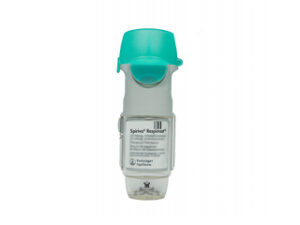
Theophylline
Theophylline is a bronchodilator medicine used to help keep airways open and reduce symptoms of certain breathing problems, particularly long-term asthma and chronic obstructive pulmonary disease (COPD). It works gradually and is often taken on a regular schedule. Because theophylline levels in the body can be affected by other medicines, smoking, liver health, and alcohol, it requires careful dosing and monitoring in many patients.
Basic product information
| Topic | Information |
|---|---|
| Generic name | Theophylline |
| Common forms | Tablets/capsules and slow-release (modified release) preparations (form varies by brand) |
| Medicinal purpose | Bronchodilator; can reduce airway inflammation and improve breathing |
| How it is taken | Oral (by mouth), usually once or twice daily depending on formulation |
| Key cautions | Narrower margin between effective and harmful doses; interactions are common |
| Who may use it | Adults and, in selected cases, children (depending on product and clinical judgement) |
How theophylline works (mechanism of action)
Theophylline helps you breathe more easily by relaxing smooth muscle in the airways and improving airflow. Its effects include:
- Phosphodiesterase inhibition: Theophylline inhibits an enzyme called phosphodiesterase, leading to increased levels of cyclic AMP in cells. This helps relax airway muscle.
- Adenosine receptor antagonism: It can reduce bronchoconstriction and airway “tightening” mediated by adenosine.
- Anti-inflammatory effects: It may modestly reduce some inflammatory processes in the airways.
- Improved mucociliary clearance: It may help the lungs clear mucus more effectively in some patients.
What to expect from treatment
Theophylline is not usually a rescue inhaler for sudden breathlessness. Instead, it is used to support day-to-day symptom control when used alongside standard asthma or COPD medicines. Many people notice benefits after consistent use over time, though exact timing depends on the formulation.
Pharmacokinetics (how the body handles the medicine)
Understanding pharmacokinetics helps explain why theophylline needs careful dosing and interaction management. Key points include:
- Absorption: Theophylline is absorbed from the gut. Slow-release preparations are designed to release the medicine gradually.
- Distribution: It distributes throughout body tissues and can cross into the lungs and other compartments.
- Metabolism: Theophylline is primarily metabolised in the liver by enzyme systems, which vary between individuals.
- Elimination half-life: The half-life is variable and can be longer in certain situations (for example, liver disease, older age, some heart conditions, and interactions). This variability contributes to the risk of side effects if levels rise.
- Effect of smoking: Smoking can change liver enzyme activity, potentially lowering theophylline levels. Stopping smoking can have the opposite effect and raise levels.
- Blood level monitoring: In some patients, clinicians may measure blood theophylline levels to help ensure safe and effective dosing.
Typical uses in the UK
Theophylline is used in selected patients for:
- Asthma (long-term control): Usually as an add-on in particular circumstances when other options are not sufficient or appropriate.
- COPD: As an add-on bronchodilator strategy in some patients with persistent symptoms despite standard therapy.
It may be chosen when clinicians aim for additional bronchodilation, but it is used carefully due to interaction risks and the need to avoid excessively high levels.
Indications and clinical scenarios
“Indications” describe the conditions a medicine is used to treat. For theophylline, clinical use in the UK commonly includes:
- Persistent symptoms in asthma where a clinician considers add-on therapy.
- COPD with ongoing airflow limitation where additional bronchodilation may help.
- Selected cases requiring oral long-term bronchodilator support when other options are unsuitable or insufficient.
Local guidance and individual assessment matter; theophylline may be less commonly initiated than inhaled therapies, but remains an option for certain patients.
Timing and how to take theophylline
Timing depends on whether you are taking immediate-release or slow/modified-release theophylline. Follow the instructions on your specific product label.
General advice
- Try to take it at the same times each day to keep levels steady.
- Do not crush or chew slow-release/modified-release tablets or capsules unless your product information specifically says it is safe. This is important because altering the release can lead to higher peaks and side effects.
- Keep a routine so you can avoid missed doses and timing errors.
Missed dose guidance (general)
If you miss a dose, take it when you remember unless it is close to the next scheduled dose. Do not take a double dose to make up for a missed one. If unsure, check your product leaflet or ask a pharmacist.
Dosing (adult and general considerations)
The exact dose varies by formulation, age, health status, and medicine interactions. Dosing often starts lower and may be adjusted, sometimes using blood level monitoring to reduce the risk of toxicity. The information below is general and not a substitute for instructions on your product or clinician advice.
How dosing is typically approached
- Start low, go slow: Many patients begin with a lower dose and are titrated upwards.
- Consider patient factors: Liver function, smoking status, age, and other medicines can require dose changes.
- Monitoring may be used: Some patients have theophylline blood tests, especially when starting, adjusting, or experiencing side effects.
Common dosing patterns by formulation
Theophylline dosing schedules differ widely. In practice, slow/modified-release products are often taken once or twice daily, while immediate-release products may be taken more frequently. Always follow your specific product instructions.
Food interactions
Food can influence theophylline absorption, though the effect depends on the formulation. To reduce variability:
- Be consistent: Take the medicine at the same times relative to meals (for example, always with food or always on an empty stomach), unless your product guidance recommends otherwise.
- High-caffeine drinks: Coffee, tea, cola and energy drinks contain caffeine, which can add to stimulant-like side effects and may complicate symptom control.
- Grapefruit and certain foods: Some products can be influenced by compounds that affect liver enzymes. If your pharmacist advises dietary adjustments, follow their advice.
Alcohol and medicine interactions
Theophylline interactions are important for safety. Alcohol may worsen side effects such as nausea, dizziness, and disturbed sleep. It can also affect liver function and overall metabolism. If you drink alcohol, do so cautiously and discuss your pattern of use with your pharmacist or clinician.
Examples of medicines that may interact
Many drugs can increase or decrease theophylline levels or make side effects more likely. Common classes and examples include:
- Antibiotics (some types): Certain antibiotics can increase theophylline levels, raising toxicity risk.
- Antifungals: Some antifungal medicines can raise theophylline levels.
- Medicines for epilepsy or long-term seizures: Some can lower levels (and others may increase them).
- Fluvoxamine (an antidepressant): Known to increase theophylline levels in many cases.
- Cardiac medicines: Some medicines can affect the risk of abnormal heart rhythms or interact indirectly through metabolism.
- Smoking-related changes: Changes in smoking status can affect theophylline levels.
This list is not complete. Always tell your pharmacist about all medicines you use, including over-the-counter products, herbal remedies, and supplements.
When to be extra cautious
- Starting or stopping smoking (or changing how much you smoke).
- Starting antibiotics, antifungals, or antidepressants.
- New liver problems or worsening health.
- Being treated for infections or given multiple medications at once.
Safety profile
Like many medicines, theophylline can cause side effects. The risk of unwanted effects increases when levels become too high. Possible side effects include:
Common or expected side effects
- Nausea, vomiting, stomach discomfort
- Headache
- Restlessness or difficulty sleeping
- Tremor
- Palpitations (awareness of heartbeat)
- Diarrhoea
Serious side effects – seek urgent help
Contact urgent medical help immediately if you experience signs that may indicate excessive theophylline levels, such as:
- Severe or persistent vomiting
- Fainting, severe dizziness, or confusion
- Rapid or irregular heartbeat, chest pain, or severe palpitations
- Fits/seizures
- Breathing worsens dramatically
Special populations
- Older adults: Metabolism may be slower, increasing sensitivity.
- Liver disease: Theophylline can build up—dose adjustments and monitoring are especially important.
- Heart rhythm conditions: Increased caution with palpitations and ECG changes.
- Pregnancy and breastfeeding: Use in pregnancy/breastfeeding should be discussed with a clinician to weigh benefits and risks.
Practical use tips
Theophylline can be effective when used correctly. These practical steps help improve safety and consistency:
- Keep an interaction list: Write down your current medicines and show it to healthcare professionals when changes happen.
- Check when antibiotics are started: If you are prescribed an antibiotic, ask the pharmacist whether any monitoring or dose adjustment is needed.
- Limit caffeine: Reduce coffee, tea, cola and energy drinks, especially if you experience tremor or insomnia.
- Be consistent with meals: Keep your routine the same regarding food and drink timing.
- Track symptoms: Note worsening breathlessness, palpitations, or sleep disruption and report them promptly.
- Use a pill organiser: This reduces missed or double doses.
- Do not adjust dose yourself: Changes should only be made with clinical guidance.
What to do if symptoms change
If your breathing worsens, do not rely on extra theophylline. Follow your asthma/COPD action plan (if you have one) and seek medical advice urgently if symptoms are severe.
Alternative options
Depending on your diagnosis and severity, alternatives to theophylline may include:
- Inhaled bronchodilators: Short-acting relievers (for fast relief) and long-acting bronchodilators (for maintenance) used in asthma/COPD care.
- Inhaled corticosteroids (ICS): Particularly important in asthma to reduce airway inflammation.
- Leukotriene receptor antagonists: An oral option used in some asthma patients.
- Other oral bronchodilators: Some patients may be offered alternative add-on oral therapies where appropriate.
- Non-pharmacological approaches: Smoking cessation support, pulmonary rehabilitation (for COPD), vaccination, and ensuring correct inhaler technique.
The right alternative depends on your condition, current treatment, and any interaction risks. A pharmacist can help you compare options and explain how they differ.
Market and legal context in the UK
In the United Kingdom, the supply and use of medicines follow regulatory frameworks overseen by medicines authorities and healthcare standards. Theophylline products have marketing authorisations and are supplied according to the instructions in their product literature. Online pharmacies in the UK must comply with applicable legal requirements, including patient safety checks and provision of appropriate information.
Theophylline is a medicine where safe use depends on proper dosing, awareness of interactions, and monitoring when needed. In many cases, clinicians consider it alongside other guideline-based therapies.
Recent guidance and clinical practice considerations
COPD and asthma management in the UK is guided by evidence-based recommendations that prioritise inhaled therapies and correct inhaler technique. Theophylline may be considered in selected patients as add-on therapy where appropriate. Clinical practice also emphasises:
- Optimising inhaled treatment first: Ensuring the right inhaler type, dosage, and adherence.
- Reducing interaction risk: Reviewing medicines that affect theophylline metabolism.
- Minimising adverse effects: Avoiding overtreatment and considering blood level monitoring in higher-risk patients.
Guidance may be updated over time as new evidence becomes available. For the most current recommendations, consult NHS resources or speak with a healthcare professional.
Delivery and availability
Theophylline availability can vary depending on the specific brand and formulation (especially slow-release vs. other types). Our online pharmacy offers convenient ordering for eligible customers.
- Dispatch: Orders are typically dispatched quickly during working days (exact times vary).
- Delivery options: Standard and express delivery may be available depending on location and stock.
- Stock status: If an item is temporarily unavailable, you may be offered an alternative formulation or notified when it returns.
- Packaging: Medicines are supplied in appropriate protective packaging to maintain product quality.
Please check the product page for current stock status, estimated delivery times, and any special ordering considerations.
Frequently asked questions (FAQ)
Is theophylline the same as an inhaler?
No. Theophylline is taken by mouth (oral medicine). Inhalers are used for faster relief or maintenance depending on the type. Theophylline is not usually used as an emergency “rescue” medicine.
How long does it take to work?
The timing depends on the formulation. Slow/modified-release tablets are designed for gradual effect over the day. Many people notice improvements after consistent use, rather than immediately. If symptoms worsen suddenly, follow your asthma/COPD plan and use your reliever as directed.
Can I take theophylline with food?
Often you can take it with or without food, but absorption can vary. For safety and consistency, aim for the same routine each day unless your product leaflet advises otherwise. If you experience stomach upset, discuss whether taking with a meal helps.
Can I drink alcohol while taking theophylline?
It’s best to avoid or limit alcohol. Alcohol may worsen side effects and can affect metabolism or sleep. If you drink, keep amounts moderate and speak with a pharmacist if you’re unsure. Stop and seek advice urgently if you develop severe nausea, dizziness, palpitations, or confusion.
What foods or drinks should I avoid?
High-caffeine drinks (coffee, tea, energy drinks, cola) may increase stimulant-like side effects such as restlessness, tremor or insomnia. Maintain consistent eating patterns relative to your dose, and check with a pharmacist if you plan major dietary changes.
Why does theophylline need caution with other medicines?
Many medicines can change theophylline levels in your body, either increasing the risk of side effects or reducing effectiveness. Always check interactions with your pharmacist, especially when starting antibiotics, antifungals, antidepressants, or seizure medicines.
Can I stop taking theophylline suddenly?
Do not stop or change your dose without advice. If theophylline is part of your long-term symptom control plan, stopping suddenly can lead to worsening breathlessness. If you feel unwell or have side effects, contact a healthcare professional for guidance.
What side effects should I watch for?
Watch for stomach upset, headache, tremor, restlessness, insomnia and palpitations. Seek urgent help for severe symptoms such as fits/seizures, fainting, severe irregular heartbeat, or persistent vomiting.
Will theophylline interfere with driving or operating machinery?
Some people may feel dizzy, restless, or unwell. If you experience side effects that could affect concentration or safety, avoid driving or operating machinery and speak to a clinician.
How is theophylline monitored?
Some patients may have blood theophylline levels checked, especially during dose changes, if they have risk factors for higher levels, or if side effects occur. Your clinician will decide whether monitoring is necessary for your situation.
Are there alternatives if I cannot tolerate theophylline?
Yes. Depending on your asthma or COPD management plan, alternatives may include inhaled bronchodilators, inhaled corticosteroids (for asthma), leukotriene receptor antagonists, or other add-on therapies. A pharmacist or clinician can help select options based on your diagnosis and current medicines.
Important reminder
Always read the patient information leaflet supplied with your specific theophylline product. If you have questions about interactions, dosing schedule, or side effects, consult a pharmacist for advice.