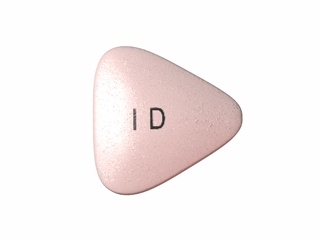

Voveran (Diclofenac) — Patient Guide (UK)
Voveran is a brand of diclofenac, a medicine used to relieve pain and inflammation. It belongs to a group of medicines called non-steroidal anti-inflammatory drugs (NSAIDs). Depending on the specific Voveran product you choose (for example, tablets, capsules or gels), diclofenac may help conditions such as painful inflammation, arthritis symptoms, and certain short-term aches.
This guide is written to be patient-friendly and to help you understand how Voveran works, when it may be suitable, important safety considerations, and practical tips for use in the UK.
1) Basic product information
- Active ingredient: Diclofenac
- Medicinal group: NSAID (anti-inflammatory painkiller)
- Common uses: Pain relief and reduction of inflammation
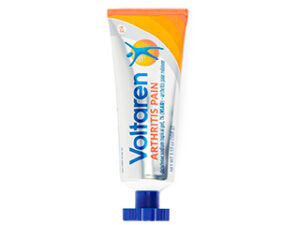
- Typical forms (may vary): Tablets/capsules and topical gel (diclofenac)
- Brand name: Voveran
- Country context: Market availability and guidance may differ by form and strength in the United Kingdom
Note: Always check the exact product strength and formulation on the pack (for example, “retard”/modified-release tablets, or gel strength). The correct dosing depends on the formulation.
2) How Voveran works (mechanism of action)
Diclofenac works by reducing the activity of certain enzymes called cyclo-oxygenase (COX). These enzymes help produce prostaglandins, chemical messengers involved in:
- Inflammation (swelling, redness, heat)
- Pain signalling
- Fever and pain sensitivity
By lowering prostaglandins, Voveran can help:
- Reduce pain
- Improve mobility in painful inflammatory conditions
- Reduce local swelling (particularly with topical forms)
3) Pharmacokinetics (how the body handles diclofenac)
Pharmacokinetics describes what the body does to a medicine—how it is absorbed, distributed, metabolised, and eliminated. These details can vary by formulation (oral vs topical).
Oral diclofenac (tablets/capsules)
- Absorption: Diclofenac is absorbed through the gut. Food can affect the speed of absorption (see “Food interactions” below).
- Distribution: Diclofenac distributes into tissues, including areas of inflammation.
- Metabolism: It is largely metabolised by the liver (mainly through cytochrome P450 pathways).
- Excretion: Metabolites are eliminated primarily via the kidneys and to some extent via the bile/intestinal route.
- Half-life: The elimination half-life is typically several hours; extended-release or retard formulations release more slowly.
Topical diclofenac gel
- Absorption: Systemic (whole-body) absorption is generally much lower than with oral forms.
- Local action: The gel concentrates in the area of application to provide local pain relief, especially for osteoarthritis-related joint pain.
- Metabolism/excretion: Any absorbed diclofenac still follows similar metabolism routes as for oral diclofenac, but exposure is reduced.
Practical takeaway: If you are concerned about stomach or systemic side effects, topical diclofenac may be considered for appropriate conditions, but you should still follow the label and safety warnings.
4) Typical use and indications
Voveran is used for pain relief and inflammation associated with a range of musculoskeletal conditions. Indications depend on the formulation and strength.
Common indications (examples)
- Inflammatory joint conditions, such as arthritis
- Osteoarthritis symptoms (topical forms are often used for localised joint pain)
- Back pain and other muscular aches (short-term pain relief)
- Sprains, strains, and tendon pain (often short-term)
- Dentally associated pain or post-procedural pain in some cases (depending on local guidance and product availability)
Important: Always follow the instructions provided with your specific product. Not every formulation is suitable for every condition.
5) When to take Voveran and how timing works
Timing can influence both comfort and side effects—particularly stomach irritation.
Oral diclofenac
- Start when pain begins or when symptoms flare.
- Take at the recommended intervals based on the pack instructions.
- Avoid exceeding the maximum daily dose stated on your product packaging.
- If using multiple days: Use the lowest effective dose for the shortest duration needed.
Topical diclofenac gel
- Apply to the affected area only, as directed.
- Wash hands before and after applying.
- Allow the gel to dry before covering with clothing.
- Follow the recommended number of applications per day; more is not necessarily better and may increase risk.
6) Food interactions
Food mainly affects the speed at which oral diclofenac is absorbed, which can affect how quickly you feel relief.
- Taking with food may reduce stomach irritation and can help if you’re prone to indigestion.
- Fasting may increase the speed of absorption but can also increase the risk of stomach discomfort.
General advice: If your pack suggests taking with or after food, follow that instruction. If you have experienced stomach upset with NSAIDs in the past, taking with food is often safer.
7) Alcohol and medicine interactions
Alcohol
Combining diclofenac with alcohol may increase the risk of:
- Stomach irritation and bleeding
- Ulcer symptoms (in severe cases)
- Kidney strain (especially if you are dehydrated)
Advice: It’s generally best to limit alcohol while using NSAIDs. If you drink heavily or regularly, discuss options with a healthcare professional.
Interactions with other medicines (important)
Diclofenac can interact with other medicines. Take special care if you use any of the following:
- Other NSAIDs (including ibuprofen, naproxen, aspirin for pain): increases risk of stomach bleeding and kidney effects.
- Blood thinners (e.g., warfarin): increases bleeding risk.
- Antiplatelet medicines (e.g., clopidogrel): may increase bleeding risk.
- Selective serotonin reuptake inhibitors (SSRIs) such as citalopram/sertraline: increased risk of gastrointestinal bleeding.
- Corticosteroids (e.g., prednisolone): increases stomach ulcer/bleeding risk.
- Diuretics (“water tablets”) and ACE inhibitors (e.g., lisinopril/ramipril) or ARBs: may increase the risk of kidney problems, particularly if dehydrated.
- Lithium: may increase lithium levels, raising toxicity risk.
- Methotrexate: can increase methotrexate levels and toxicity risk.
- Some diabetes medicines (e.g., insulin or sulfonylureas): NSAIDs can affect blood sugar control in some people.
- Digoxin: may increase digoxin levels.
Always check: If you have multiple medicines, it’s wise to review interactions with your pharmacist. If you are unsure, bring a list of your medicines.
8) Dosing — what to consider
Dosing depends on your exact product (strength and formulation) and your age and medical history. Always follow the instructions on the pack. The sections below provide general guidance for patients.
Oral diclofenac (general principles)
- Use the lowest effective dose.
- Use for the shortest possible time to control symptoms.
- Do not exceed the stated maximum daily dose.
- If symptoms persist beyond a few days or worsen, reassess the treatment plan.
Topical diclofenac gel (general principles)
- Apply a thin layer to the affected joint/area as directed.
- Do not apply to broken skin.
- Avoid getting it in eyes or on mucous membranes.
- Do not use under occlusive dressings unless advised.
Children and adolescents: Diclofenac use in younger people depends heavily on formulation and age. Follow the pack guidance and seek professional advice if needed.
Note: This guide avoids quoting exact mg schedules because Voveran strengths and formulations vary. Your product pack will provide the correct dosing regimen for that specific medicine.
9) Safety profile — who should take care
Like other NSAIDs, diclofenac can cause side effects. Many are mild, but serious risks can occur—especially at higher doses or with long-term use.
Common side effects (may include)
- Indigestion, heartburn, nausea
- Stomach discomfort
- Headache
- Dizziness in some people
- For gel: local skin irritation (redness, itching, rash)
Serious warning signs (seek urgent medical advice)
Stop the medicine and seek urgent help if you develop:
- Signs of GI bleeding: black/tarry stools, vomiting blood, severe abdominal pain
- Allergic reaction: swelling of face/lips, wheezing, severe rash
- Chest pain, sudden shortness of breath, weakness on one side, slurred speech (possible serious cardiovascular or clot-related symptoms)
- Severe reduction in urine output, marked swelling, or sudden worsening of kidney-related symptoms
- Severe skin reactions (rare but serious): blistering rash or peeling skin
Higher-risk situations
You should take extra care with diclofenac if you have (or have had):
- History of stomach ulcers or gastrointestinal bleeding
- Heart disease, stroke history, or significant cardiovascular risk
- Kidney disease or dehydration
- Liver disease or abnormal liver tests
- Uncontrolled high blood pressure
- Asthma that worsens with NSAIDs
- Concurrent medicines that increase bleeding or kidney risk (see “Alcohol and medicine interactions”)
Topical diclofenac: Generally has lower systemic exposure, but it is not risk-free—especially with large amounts, frequent application, prolonged use, or use over extensive body areas.
10) Practical use tips (to get the best results)
- Follow the pack carefully: dose, frequency, and duration matter.
- Use consistently for flares: for short-term inflammatory pain, taking as directed can provide more reliable relief.
- Don’t combine NSAIDs: avoid taking diclofenac alongside ibuprofen/naproxen or other NSAIDs.
- Consider stomach protection: if you have a history of gastric problems, ask a pharmacist about safer alternatives or whether your situation requires additional protection.
- Topical gel hygiene: wash hands after application; avoid touching eyes and face.
- Heat and massage: heat may increase comfort for stiffness, but avoid applying heat directly over gel unless your instructions allow it. Gentle movement often helps reduce stiffness.
- Monitor response: if there is no improvement after a short trial, reassess the cause of pain.
- Keep track of totals: if you use any other medicines containing NSAIDs, ensure you do not unintentionally duplicate therapy.
11) Alternative options (if Voveran isn’t suitable)
Depending on your condition, alternatives may include:
Other pain relief medicines
- Paracetamol (acetaminophen): can help pain and is generally gentler on the stomach, though it doesn’t reduce inflammation as strongly as NSAIDs.
- Other NSAIDs: may be considered by a healthcare professional, but the same risk categories (stomach, kidneys, cardiovascular) generally apply.
- Topical alternatives: some people benefit from topical NSAIDs (such as other diclofenac brands or formulations) or other topical analgesics depending on availability and suitability.
Non-medicine approaches
- Rest and graded activity: for strains/sprains, avoid complete immobilisation unless advised.
- Physiotherapy exercises: strengthening and mobility often reduce flare frequency.
- Heat or ice: use based on whether the issue is more acute (often ice) or more stiff/inflammatory over time (often heat).
- Weight management and ergonomic changes: can reduce joint stress, especially for osteoarthritis.
Choosing an alternative: If you have ulcer history, kidney problems, or cardiovascular risk, discuss options—paracetamol or targeted topical approaches may be safer for some people.
12) UK market and legal context
In the United Kingdom, NSAIDs including diclofenac are widely used. Product availability depends on formulation and strength. In the UK, medicines are supplied either through pharmacies and healthcare pathways or as specific OTC (over-the-counter) products where permitted. Availability, wording on labels, and pharmacy advice requirements can differ by product type.
Why guidance matters: National safety messages in the UK emphasise using NSAIDs at the lowest effective dose for the shortest duration, due to risks such as gastrointestinal bleeding and cardiovascular events—particularly with higher doses and prolonged use.
Recent emphasis in practice: Healthcare professionals are encouraged to consider a person’s risk profile (heart, stomach, kidneys) and to avoid unnecessary long-term NSAID use.
13) Recent guidance (what patients should know)
In UK practice, current safety messaging for NSAIDs commonly includes:
- Lowest effective dose: use the minimal dose that controls symptoms.
- Shortest duration: stop once pain improves; review if symptoms persist.
- Risk assessment: consider stomach ulcer/bleeding history, heart disease or stroke risk, kidney function, and drug interactions.
- Avoid duplication: do not use multiple NSAIDs together.
- Report side effects: especially signs of bleeding, allergy, or unusual bruising.
Reminder: Always follow the warnings and instructions on the packaging for your exact Voveran product.
14) Delivery and availability (UK)
Voveran/diclofenac products are typically available through online pharmacies and may be stocked in a range of forms. Availability may vary by strength, formulation, and current supply.
- Processing time: Most orders are prepared within 1–2 working days (may vary).
- Delivery options: Standard and expedited delivery may be available depending on your location.
- Packaging: Medicines are usually shipped in protective, tamper-evident packaging.
- Product checks: Online pharmacies commonly verify that items match the chosen strength/form.
Storage: Keep medicines out of sight and reach of children. Follow the storage instructions on your pack (commonly “store below 25°C” for many products; topical gels may have specific storage requirements).
15) FAQ
Is Voveran the same as diclofenac?
Yes. Voveran contains diclofenac as the active ingredient. Different products may vary by strength and formulation, so check the pack details.
What is Voveran usually used for?
Voveran is used to relieve pain and inflammation associated with conditions such as arthritis and musculoskeletal aches. Topical diclofenac gel is often used for localised joint pain.
How quickly will Voveran work?
Many people feel pain relief within hours. Response can vary by condition and by formulation. Topical gel may provide gradual relief as it reduces local inflammation and pain.
Can I take Voveran with food?
For many oral NSAID products, taking with food can reduce stomach discomfort. Follow the instructions on your specific pack.
Can I drink alcohol while using diclofenac?
It’s best to limit alcohol. Alcohol can increase the risk of stomach irritation and bleeding when combined with NSAIDs. If you’re drinking heavily, discuss safer options with a pharmacist.
Can I take Voveran with ibuprofen or naproxen?
Generally, no. Avoid using multiple NSAIDs together unless a clinician specifically advises it, because this raises the risk of stomach bleeding and kidney problems.
What should I do if I miss a dose?
If you miss a dose, take it when you remember unless it’s close to the next dose. Do not take double the amount. Follow the schedule on your pack.
Are topical diclofenac gels safer than tablets?
Topical gels usually have lower whole-body absorption than tablets, which may reduce systemic side effects. However, risks can still exist—especially if used excessively or over large areas.
Who should avoid diclofenac or speak to a pharmacist first?
You should be especially cautious if you have a history of stomach ulcers/bleeding, kidney disease, significant heart disease or stroke risk, liver disease, NSAID-sensitive asthma, or if you take medicines that affect bleeding or kidney function. A pharmacist can advise based on your personal situation.
When should I stop and seek medical help?
Stop and seek urgent medical advice if you experience signs of bleeding (e.g., black stools, vomiting blood), severe allergic reaction (swelling, wheezing), chest pain, sudden breathlessness, or severe rash/blistering skin.
Is Voveran suitable for long-term use?
NSAIDs are generally recommended for short-term symptom control at the lowest effective dose. Long-term use may be appropriate in select conditions under professional supervision, but it increases risk—so reassessment is important.
Summary
Voveran (diclofenac) is an NSAID used to treat pain and inflammation, including conditions like osteoarthritis symptoms and other musculoskeletal aches. It reduces prostaglandin-related inflammatory pathways through COX inhibition. While many people tolerate it well when used correctly, diclofenac can cause stomach upset and carries important risks—especially for those with ulcer history, heart or kidney problems, or those taking interacting medicines. Follow the pack directions, avoid duplication with other NSAIDs, limit alcohol, and seek help promptly if warning signs occur.