Clobetasol 0.05% Cream/Ointment — Patient Guide (UK)
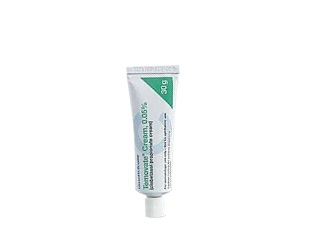
Clobetasol 0.05% is a high‑potency corticosteroid medicine used to treat certain inflammatory skin conditions. It works by reducing inflammation and calming an overactive immune response in the skin. Because it is strong, it should be used carefully and only for the conditions and duration advised by healthcare professionals or as directed on the product information you have.
This guide explains how clobetasol works, typical uses, how to apply it safely, and what to watch for. It is written for people in the United Kingdom.
Basic product information
- Active ingredient: Clobetasol (usually as clobetasol propionate)
- Strength: 0.05%
- Medicine type: Corticosteroid (topical skin steroid)
- Common forms: Cream or ointment (the best choice depends on the skin area and dryness)
- Who it suits: Adults and some children only when specifically indicated and supervised
- Potency: Very potent (high strength)
Tip: Always check the product packaging for the exact formulation (cream vs ointment) and the instructions that apply to your specific item.
How clobetasol 0.05% works (mechanism of action)
Clobetasol is a topical corticosteroid. When applied to affected skin, it binds to intracellular glucocorticoid receptors and modifies gene expression. This leads to several anti‑inflammatory effects, including:
- Reduced production of inflammatory chemicals
- Decreased immune cell activity within the skin
- Less swelling, redness, itching, and irritation
- Suppression of abnormal inflammatory pathways responsible for flare‑ups
In many conditions, symptoms improve within days. However, the skin may take longer to fully settle, and the most important goal is to use the smallest amount for the shortest time that controls the condition.
Pharmacokinetics (what the body does with it)
With topical steroids, the amount absorbed into the bloodstream can vary. For clobetasol 0.05%, absorption is generally low when used correctly on small areas and for short periods, but it can increase if:
- Applied to large areas
- Used on broken, inflamed, or ulcerated skin
- Used under occlusion (covered with airtight dressings/plasters)
- Applied to thin skin areas (face, groin, armpits)
- Used in children (because of higher skin surface area relative to body weight)
- Used for longer than recommended
Once absorbed, clobetasol is metabolised mainly in the liver and its metabolites are eliminated through the kidneys. Systemic side effects are uncommon when used appropriately, but the risk increases with higher absorption.
Typical uses in the UK
Clobetasol 0.05% is used for short‑term management of inflammatory and itchy skin conditions that are unresponsive to weaker steroids. Typical indications include:
- Severe eczema (especially when other treatments have not been sufficient)
- Psoriasis (selected types, under medical guidance)
- Other steroid‑responsive inflammatory dermatoses as advised by clinicians
If you have an active skin infection (bacterial, viral such as herpes, or fungal), clobetasol alone may worsen it. Your clinician may recommend an antifungal or antibiotic alongside, or avoid steroid use until the infection is treated.
When and how to apply (timing and routine)
The exact schedule depends on the condition and your prescribed instructions. A common approach for strong topical steroids is applying a thin layer to affected areas once or twice daily, then reducing frequency once control is achieved.
General timing guidance
- Apply at a consistent time each day to help remember.
- If using once daily, consider applying in the evening.
- If using twice daily, leave a gap of several hours between applications.
How to apply correctly (practical step‑by‑step)
- Wash and dry the affected area gently.
- Apply a thin layer—use only the amount needed to cover the affected skin.
- Rub in lightly until the medicine disappears.
- Wash your hands after application unless your hands are the treated area.
- Avoid contact with eyes, lips, and inside the nose.
Do not bandage or cover the area unless your healthcare professional instructs you to. Occlusion can increase absorption and the risk of side effects.
Dose and duration
Clobetasol 0.05% dosing is designed around skin control with minimum exposure. Your product packaging or clinician may specify a schedule. In general:
- Use small quantities and stop once the condition is controlled.
- Use for the shortest possible time.
- Do not apply to large body areas or use for prolonged periods without specialist review.
A common way clinicians estimate amounts is the fingertip unit (FTU): one fingertip length of cream/ointment is enough to cover an area roughly the size of two adult palms. Your clinician may advise an FTU approach depending on the site and area.
Important: If you miss a dose, apply it when you remember unless it is near the next dose. Do not apply extra amounts to make up for a missed application.
Food interactions
Topical clobetasol is applied to the skin, and significant interaction with food is not expected. Systemic absorption is usually low when used appropriately.
There is no known requirement to avoid specific foods while using clobetasol. However, maintaining overall health, staying hydrated, and using gentle skincare can support recovery during flare‑ups.
Alcohol and medicine interactions
Alcohol
No specific alcohol interaction is expected for topical clobetasol. However, if you experience dizziness, facial flushing, or skin irritation concerns after starting a new medicine regimen, seek advice.
Other medicines
Direct drug–drug interactions are unlikely because clobetasol is applied locally. Still, caution is advised if you use:
- Other topical steroids on the same area (combined strength can increase side effects)
- Medicines that affect immune function (systemic effects are uncommon but overall immunosuppression may be relevant)
- Skincare products that irritate skin (this may worsen inflammation or delay healing)
If you’re using other skin treatments such as retinoids, exfoliants, or strong antiseptics, it may be helpful to space them out and discuss compatibility.
Indications, including what to avoid
Indications (when it may be appropriate)
- Inflammatory, itchy conditions requiring a high‑potency topical steroid
- Conditions that do not adequately respond to lower‑strength steroids
Do not use (or use with extreme caution)
Clobetasol should not be used on certain types of skin problems without medical advice. Examples include:
- Untreated skin infections (fungal, bacterial, viral)
- Conditions where steroids can worsen infection or mask symptoms
- Acne and rosacea (steroids may worsen these)
- Perioral dermatitis (often steroid‑affected)
If you are unsure what skin condition you have, it’s safer to get advice before using a high‑potency steroid.
Safety profile: side effects and warnings
Like all corticosteroids, clobetasol can cause side effects, especially with prolonged use, excessive amounts, application to sensitive sites, or occlusion.
Common local side effects
- Burning or stinging sensation on application
- Skin thinning (atrophy) with misuse or long duration
- Redness or irritation
- Worsening of existing skin problem if used incorrectly
Potential serious side effects (seek medical advice)
- Signs of infection (increasing pain, pus, spreading redness)
- Worsening or new rash soon after treatment begins
- Development of steroid‑induced skin changes such as persistent thinning, prominent veins, or stretch marks
- Systemic effects are uncommon but may occur with extensive use, especially under occlusion, in children, or for long durations.
Areas of special concern
The following areas are more likely to experience side effects due to thinner skin and higher absorption:
- Face
- Groin
- Armpits
- Skin folds
- Children’s skin
In these areas, clobetasol should generally be used only under strict guidance, and only for limited periods.
Withdrawal and rebound
Stopping a strong steroid suddenly after repeated or prolonged use can, in some people, lead to “rebound” (symptoms returning more intensely). If you have been using clobetasol regularly over time, speak to a clinician about a safe stop plan.
Practical use tips (get the best results safely)
- Use moisturisers: Apply an emollient regularly and consider using it on non‑affected areas.
- Apply steroid first on the affected area, then wait before applying moisturiser if advised. Some people mix or layer products differently—follow your product guidance.
- Do not overuse: More is not better with potent steroids.
- Track improvement: If there’s no improvement after a short trial (commonly within a few days), seek advice rather than continuing indefinitely.
- Check triggers: For eczema or psoriasis, friction, irritants, and stress can contribute to flares. Gentle skincare and reducing irritants can help prevent recurrence.
- Keep it away from eyes: If it accidentally contacts the eye, rinse thoroughly and seek advice.
Alternative options
Depending on the skin condition, severity, and location, alternatives may include:
Lower‑potency topical steroids
- For milder flares or longer‑term maintenance, clinicians often step down to weaker steroids.
Non‑steroid anti‑inflammatory treatments
- Topical calcineurin inhibitors (often used for sensitive areas or maintenance under specialist guidance)
Emollients and supportive care
- Regular moisturising can reduce frequency and severity of flares.
Condition‑specific approaches
- Psoriasis may require additional treatments such as vitamin D analogues or other therapies.
- Infections require targeted treatment; steroids alone may be unsuitable.
If you want alternatives, your GP/pharmacist can help match the option to your diagnosis and skin area.
UK market and legal context (what to expect)
In the UK, the availability and use of topical corticosteroids is governed by medicines regulation and product licensing. Strength, formulation, and intended use can affect supply options. Pharmacy services may include guidance and suitability checks to ensure safe use, particularly for very potent products.
Clobetasol 0.05% is typically considered a high‑potency corticosteroid and is used in a controlled way due to the potential for side effects if misused. Patients are encouraged to follow instructions carefully and seek clinical advice if symptoms do not improve.
Recent guidance and stewardship (general themes)
Over recent years, UK and international dermatology practice has emphasised steroid stewardship:
- Use the lowest effective potency
- Use the shortest effective duration
- Step down treatment once control is achieved
- Avoid occlusion unless specifically instructed
- Use emollients as part of long‑term skin care
These principles are especially important for high‑potency preparations such as clobetasol.
Delivery and availability (UK)
Clobetasol 0.05% may be available from online pharmacies subject to product supply rules, age/eligibility checks, and availability from the manufacturer or wholesaler.
- Processing time: Your order may require brief verification before dispatch.
- Delivery options: Standard and expedited delivery may be available depending on your location.
- Packaging: Medicines are typically shipped in tamper‑evident packaging.
- Cold chain: Topical corticosteroids do not generally require refrigeration.
If you have urgent symptoms (for example, rapid spread, severe pain, suspected infection), seek medical advice promptly.
Storage instructions
- Store at room temperature (away from excessive heat and sunlight).
- Keep the tube or tub tightly closed.
- Keep out of sight and reach of children.
- Check the expiry date on the packaging. Do not use after expiry.
FAQ — Frequently asked questions
1) Can I use clobetasol on my face?
Face skin is more sensitive. Clobetasol should only be used on the face if specifically advised by a healthcare professional, typically for a short duration. Prolonged use increases the risk of thinning and other skin changes.
2) How long should I use it?
Use for the shortest time needed to control symptoms, then stop or step down as advised. If there is little or no improvement after a short period, seek advice rather than continuing.
3) What is the best way to apply it to eczema or psoriasis?
Apply a thin layer to the affected area, usually once or twice daily depending on instructions. Wash hands after application. Continue moisturising as advised.
4) Should I moisturise after applying clobetasol?
Often you should apply steroid first to affected skin and moisturiser separately, but follow guidance for your exact routine. If you are unsure, ask a pharmacist. Many people use emollients frequently and use steroid only to flare areas.
5) Can I cover the area with a dressing?
Do not use occlusive dressings (airtight coverings) unless a clinician tells you to. Covering can increase absorption and the risk of side effects.
6) Is it safe for children?
Children’s skin absorbs medicines differently. Clobetasol 0.05% is usually not for unsupervised use in children and may require specialist guidance. If you are considering it for a child, speak to a clinician or pharmacist.
7) What if my skin condition gets worse?
Stop using clobetasol and seek advice if you develop spreading redness, pain, pus, fever, or signs of infection, or if symptoms worsen rather than improve.
8) Can I use other steroid creams at the same time?
Avoid combining multiple steroid products on the same area unless directed. Using more than one steroid increases total steroid exposure and raises the risk of side effects.
9) Are there any food, alcohol, or lifestyle interactions?
Food interactions are not expected with topical use. No specific alcohol interaction is expected. Focus on gentle skincare, avoiding irritants, and following the recommended application schedule.
10) What should I do if I miss a dose?
Apply when you remember unless it’s close to the next dose. Do not apply extra amounts to compensate.
At-a-glance summary
| Topic | Key points |
|---|---|
| Type | High‑potency topical corticosteroid (clobetasol 0.05%) |
| Used for | Inflammatory, itchy skin conditions that are steroid‑responsive and often severe or persistent |
| How it works | Reduces inflammation and immune activity in the skin |
| Application | Thin layer on affected skin; typically once or twice daily depending on instructions |
| Safety focus | Use sparingly; avoid occlusion; be cautious on face/groin/children; seek advice if infection suspected |
| Expected benefit | Often improves within days, but avoid long continuous use |
| Seek advice | No improvement, worsening symptoms, signs of infection, or if using over large areas/long durations |
Always follow the instructions provided with your product. If you are unsure whether clobetasol is suitable for your skin condition—especially if you suspect infection—contact a pharmacist or clinician for tailored advice.