Grisactin (Griseofulvin) – Patient Guide
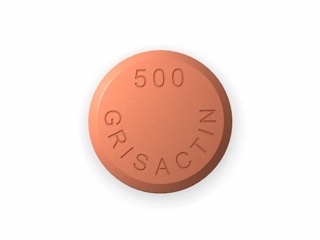
Grisactin contains griseofulvin, an antifungal medicine used to treat certain fungal infections of the skin, scalp and nails. This guide explains how it works, how to take it safely and effectively, what interactions to watch for, and when to seek medical advice.
Important: The exact dose and duration depend on the type of fungal infection, your age, and your individual circumstances. Always follow the advice provided with your medicine and any healthcare professional guidance.
Basic product information
| Information | Details |
|---|---|
| Medicine name | Grisactin (griseofulvin) |
| What it treats | Fungal infections affecting skin, scalp, and nails |
| Medicine type | Antifungal (antimycotic) |
| How it works | Stops fungi from dividing and multiplying |
| Typical form | Oral tablets or oral formulation (availability may vary) |
| UK availability | May be supplied through pharmacies subject to stock and manufacturer supply |
How Grisactin works (mechanism of action)
Griseofulvin is a fungistatic antifungal, meaning it helps prevent fungus from growing and spreading while your body and skin renew themselves.
It primarily targets the fungal cells by interfering with their ability to form and maintain the microtubules needed for cell division. This slows fungal growth, allowing healthy tissue to replace infected areas.
Why timing matters: In nail infections and other deeper or longer-lasting infections, the medicine needs time to reach new growing tissue. Even after symptoms improve, fungal eradication may take longer.
Pharmacokinetics (how the body handles it)
Understanding pharmacokinetics can help you take Griseofulvin correctly.
- Absorption: Griseofulvin is absorbed from the gut. Absorption is often improved when taken with fatty food (see food interactions below).
- Distribution: The medicine concentrates in keratin-producing tissues, such as skin, hair follicles and nails—where fungal infection is most problematic.
- Metabolism: It is metabolised primarily in the liver.
- Elimination: Metabolites are excreted mainly through the kidneys and also partly via bile.
- Why it takes time: Because the medicine must be incorporated into newly growing keratin, clearing nail and scalp infections typically requires weeks to months.
What Grisactin is used for (indications)
Griseofulvin is used to treat dermatophyte fungal infections—particularly those caused by fungi such as Trichophyton, Microsporum and Epidermophyton.
Common indications include:
- Ringworm (tinea corporis) and other skin dermatophyte infections
- Scalp ringworm (tinea capitis)
- Jock itch (tinea cruris)
- Athlete’s foot (tinea pedis) (in some cases, especially widespread or resistant infections)
- Nail fungal infection (onychomycosis) due to dermatophytes
Not for: Griseofulvin is generally not the first-choice medicine for yeast infections (such as Candida) or many non-dermatophyte fungi.
Typical use and treatment timing
Griseofulvin is usually taken for long enough to allow new, healthy keratin to replace infected areas.
How long does treatment usually take?
Typical durations depend on the site and severity:
- Skin infections: Often several weeks (commonly 2–4 weeks, but may vary).
- Scalp infections: Often longer (commonly 4–6 weeks or more).
- Nail infections: Often several months, because nails grow slowly (treatment may be 6–12+ months depending on extent).
Do not stop early: Finishing the course as directed improves the chance of cure and reduces recurrence.
When will I feel better?
- Early improvement may occur over 1–2 weeks for skin/scalp infections.
- Nail clearance takes the longest; nails may look better only after new growth has replaced the infected nail.
How to take Grisactin (dosing guidance)
Dose schedules vary by indication and patient factors. Your product packaging and/or the clinician who advised you will specify the correct strength and frequency.
General principles:
- Take exactly as instructed.
- Use the correct strength and avoid skipping doses.
- Continue for the full recommended duration even if symptoms improve.
Example dosing patterns (for patient understanding)
Many regimens are taken once or twice daily. For children and adults, dosing is often calculated by body weight and the severity of infection. Do not self-adjust.
Practical advice: If you miss a dose, take it when you remember unless it is close to the next dose. Avoid taking a double dose to compensate.
Food interactions (what to eat and when)
Griseofulvin absorption can be improved with food, especially fatty meals. This may help you achieve more consistent medicine levels.
- Consider taking each dose with food.
- If your prescriber or pharmacist has recommended taking it with meals, follow that advice.
- If you experience stomach upset, taking it with food may help.
Consistency is key: Try to take doses at the same times each day and with similar meal timing.
Alcohol interactions
It’s best to be cautious with alcohol while taking Griseofulvin because the medicine is metabolised by the liver.
- Moderation: If you choose to drink alcohol, keep it minimal.
- Avoid binge drinking: Higher alcohol intake may increase strain on the liver.
- Seek advice: If you have liver disease or you drink heavily, ask a pharmacist or clinician before starting.
Stop and get medical advice urgently if you develop signs of liver problems (see “Safety profile” below).
Interactions with other medicines
Griseofulvin can interact with several medicines because it may affect how your liver processes drugs (including enzymes involved in drug metabolism). Interactions may reduce effectiveness of other medicines or increase side effects.
Medicines that may be affected
- Oral contraceptives (birth control pills): Griseofulvin may reduce their effectiveness. Use additional contraception during treatment and for a period after finishing, as advised by healthcare professionals.
- Warfarin: The anticoagulant effect may change. Extra monitoring (e.g., INR checks) may be required.
- Some anti-epileptics: Interactions can alter seizure control or drug levels.
- Other medicines metabolised by the liver: This includes some immunosuppressants and other antifungals—interaction potential varies.
Always check: Tell your pharmacist or clinician about all medicines you take, including over-the-counter products, herbal supplements (such as St John’s wort), and vitamins.
Safety profile (side effects and warnings)
Most people tolerate Griseofulvin well, but side effects can occur. Some are mild; others require prompt medical assessment.
Common side effects
- Stomach upset, nausea, abdominal discomfort
- Headache
- Skin rash or itching
- Dizziness or tiredness
Less common but serious risks
Because griseofulvin affects liver metabolism, liver-related effects are an important consideration.
- Liver problems: symptoms can include yellowing of the skin/eyes (jaundice), dark urine, pale stools, unusual fatigue, or upper abdominal pain.
- Allergic reactions: swelling of face/lips, severe rash, trouble breathing (seek urgent help).
- Blood disorders: unusual bruising or infections may require assessment.
- Severe skin reactions: blistering, widespread rash, or peeling skin needs urgent medical attention.
When to seek urgent medical help
Get urgent advice or emergency help if you experience:
- Signs of anaphylaxis (severe allergy): difficulty breathing, swelling of face/throat
- Signs of liver injury: jaundice, dark urine, severe fatigue, persistent vomiting
- A rapidly worsening rash or widespread blistering/skin peeling
Practical use tips for better outcomes
Taking the medicine correctly matters, but fungal infections also respond to good hygiene and re-infection prevention.
Skin and scalp care
- Keep the affected area clean and dry.
- Wash bedding, towels and clothing regularly (especially for scalp and highly contagious infections).
- Do not share combs, brushes, towels or clothing.
Nail infection tips
- Trim nails and keep them clean and dry.
- Avoid picking at or damaging the nail, as this can worsen infection.
- Consider discussing whether a topical antifungal is also appropriate—depending on the type and extent of infection.
Reduce recurrence
- Treat footwear and keep shoes ventilated if athlete’s foot is present.
- If you have tinea pedis, socks may need frequent changing.
- Seek advice if the infection keeps returning despite treatment.
Alternative options (if Grisactin isn’t suitable)
Depending on the site of infection and the specific fungus, other antifungal options may be considered.
Common alternatives
- Terbinafine (often used for dermatophyte skin infections and sometimes nails)
- Itraconazole or fluconazole (selected cases, often nail/scalp infections)
- Topical antifungals (creams, gels, shampoos) for milder or localised infections
- Adjunctive treatments such as medicated shampoos for scalp infections (often combined with systemic therapy)
Why alternatives may differ: Your choice of medicine depends on infection type, severity, location, liver function, other medicines, and the expected duration of therapy.
Market and legal context in the United Kingdom
In the UK, antifungal medicines are managed through established pharmacy and healthcare pathways. Availability, brand names, and formulations can vary depending on supply and local prescribing/dispensing arrangements.
- Regulation: Medicinal products in the UK follow guidance from relevant UK medicines authorities and pharmacy regulations.
- Supply: Stock levels can change due to manufacturing schedules and logistics.
- Clinical guidance: Treatment selection typically follows evidence-based dermatology and primary care recommendations.
Recent guidance (general themes): UK clinical practice increasingly emphasises confirming that the infection is truly fungal (e.g., via clinical examination and/or microscopy where appropriate), selecting therapy based on site (skin/scalp/nails), and monitoring for side effects—particularly in longer courses used for nails.
Note: Your healthcare professional may recommend additional measures such as testing, or switching antifungal if the infection does not respond as expected.
Delivery and availability
Grisactin may be available from UK pharmacies online depending on current stock, formulation and strength.
- Check availability: Some medicines can be temporarily out of stock; we aim to provide accurate delivery updates.
- Dispatch times: Delivery times depend on when your order is placed and local courier schedules.
- Packaging: Medicines are supplied in secure, protective packaging appropriate for postal delivery.
If Grisactin is unavailable at the time of your order, the pharmacy may offer suitable alternatives (where appropriate) or options for restocking notifications.
FAQ – Common questions about Grisactin
1) What should I expect in the first week?
For skin infections, redness and itching may start to settle within 1–2 weeks, but improvement is gradual. Nail and scalp infections usually take longer because the medicine must support growth of new healthy keratin.
2) Can I stop once the symptoms improve?
It’s important to continue for the full course recommended for your infection type. Stopping early can allow remaining fungus to regrow, leading to recurrence.
3) Should I take Grisactin with food?
Often, taking it with meals (and particularly with food containing some fat) may improve absorption. Follow the instructions given with your specific product.
4) Is it safe to drink alcohol while on Grisactin?
Because griseofulvin is processed by the liver, it’s best to limit alcohol. If you notice symptoms such as jaundice, worsening fatigue or persistent nausea, seek medical advice promptly.
5) Does Grisactin interact with the contraceptive pill?
It may reduce the effectiveness of oral contraceptives. If you’re using the pill, ask a pharmacist or clinician about additional contraception during treatment and after stopping, as advice can vary.
6) What happens if I miss a dose?
Take it as soon as you remember unless it is close to the next dose. Do not take two doses at once to make up for a missed dose.
7) How do I know if the infection is fungal?
Many skin conditions can look similar. If the rash is not clearly improving, it may help to have it assessed. Some cases benefit from microscopic confirmation to ensure the right treatment.
8) Can I use topical treatments alongside Grisactin?
In many cases, topical antifungals (creams, gels, shampoos) may be used alongside oral therapy, especially for scalp infections or to support skin recovery. Check with a pharmacist if you’re unsure.
9) Are there any foods I should avoid?
There are no specific universally required food restrictions, but consistent intake with meals (often with some fat) can be helpful. If you have stomach sensitivity, taking with food may reduce irritation.
10) When should I contact a healthcare professional?
Contact a healthcare professional if symptoms are worsening, if you develop a significant rash, persistent fever, severe headache, persistent vomiting, or any signs of liver problems (such as yellowing of the eyes/skin or dark urine).
Summary
Grisactin (griseofulvin) is a long-established antifungal used to treat dermatophyte infections of the skin, scalp and nails. It works by stopping fungal cell division and gradually allows healthy tissue to replace infected areas. Because the treatment may be required for weeks or months—especially for nails—successful outcomes depend on consistent dosing, correct timing with food, avoidance of interactions, and good hygiene to prevent reinfection.
If you have questions about taking Grisactin, possible interactions with your other medicines, or the likely duration for your infection, speak to a pharmacist for tailored advice.