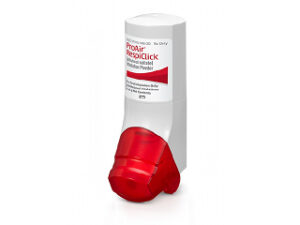
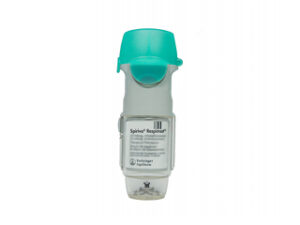
Salbutamol (Albuterol) – Patient Guide (UK)
Salbutamol is a fast-acting medicine used to relieve symptoms of breathing difficulties such as wheezing, shortness of breath and chest tightness. It is widely used in the UK for conditions including asthma and chronic obstructive pulmonary disease (COPD). Depending on the product strength and device, salbutamol may be taken as an inhaler (most common), a nebuliser solution, or less commonly as tablets in some countries; however, in the UK, inhaled forms are the usual approach for quick relief.
This guide explains how salbutamol works, when and how to use it, important safety information, common interactions, and where to find further support in the UK.
Basic product information
| Information | Details |
|---|---|
| Generic name | Salbutamol |
| Common name (US) | Albuterol |
| Common UK uses | Relieving bronchospasm (e.g., in asthma and COPD) |
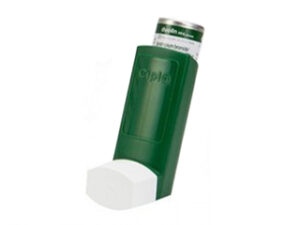
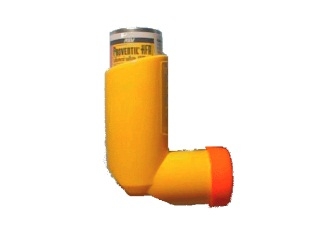
| Typical form | Inhaler (e.g., metered dose inhaler), dry powder inhaler or nebuliser solution (varies by product) |
| Onset (typical) | Often within minutes when inhaled |
| Duration (typical) | Several hours (commonly around 4–6 hours for many inhaled regimens) |
Note: Always use the exact product and device instructions supplied with your medicine (e.g., the number of puffs, step-by-step inhaler technique, and how often you can take doses).
How salbutamol works (mechanism of action)
Salbutamol belongs to a group of medicines called short-acting beta2-agonists (SABAs). When inhaled, it targets beta2 receptors in the airways.
- Relaxes airway smooth muscle → reduces bronchospasm (tightening of the airways).
- Improves airflow → makes it easier to breathe and reduces wheeze and chest tightness.
- Acts quickly → helpful for sudden symptoms or prevention before exercise if advised.
Salbutamol does not treat the underlying inflammation in asthma or COPD in the same way that controller medicines (such as inhaled corticosteroids) do. It is mainly for symptom relief.
Pharmacokinetics (how the body handles salbutamol)
Pharmacokinetics describe what happens after you take a medicine—how it is absorbed, distributed, metabolised, and eliminated.
- Absorption: With inhaled dosing, salbutamol reaches the lungs to act locally. Some portion may be swallowed after using an inhaler.
- Distribution: Salbutamol can enter the bloodstream, particularly from swallowed material.
- Metabolism: It is metabolised mainly in the liver.
- Elimination: Metabolites are cleared primarily via the kidneys.
- Onset and duration: Inhaled salbutamol typically begins to work within minutes and lasts for several hours, depending on the device and individual response.
Why this matters: Because salbutamol clears over time, symptoms may return when its effect wears off—this is why reliever inhalers have dosing intervals and why frequent use can be a sign of poor asthma control.
What salbutamol is used for (indications)
Salbutamol is used to relieve symptoms caused by narrowing of the airways. In the UK, common indications include:
- Asthma: relief of bronchospasm (wheeze, shortness of breath, chest tightness).
- COPD: relief of bronchospasm and associated symptoms (as part of a broader COPD plan).
- Exercise-induced bronchoconstriction: may be used before exercise if advised by a clinician.
- Acute episodes: used as part of emergency management plans for asthma attacks or severe COPD flare-ups (with appropriate medical assessment).
For asthma, modern UK management focuses on ensuring people also receive appropriate anti-inflammatory controller therapy if needed. Reliever-only approaches may increase risk if used too frequently.
When to take salbutamol (timing and practical expectations)
Relief of sudden symptoms: Use at the start of breathlessness, wheeze or chest tightness, following your specific device instructions.
Prevention before trigger exposure: If you have been advised to use salbutamol before exercise or known triggers, take it shortly beforehand (commonly around 10–15 minutes before activity, but follow your personal plan).
How quickly it should help: Many people notice improvement within minutes. If you need it repeatedly with poor relief, it may indicate worsening airway control and you should seek medical advice promptly.
Dosing guidance (typical adult and adolescent use)
Dosing depends on the product (inhaler type, strength, and device), age, and clinical situation. Because different inhalers deliver different amounts per actuation and instructions vary, it is essential to follow the instructions provided with your specific salbutamol product or your personalised action plan.
Typical guidance often used in practice (general examples):
- Adults and adolescents using a metered dose reliever inhaler often take doses measured in puffs, usually repeated after a short interval if symptoms persist.
- Children may require lower doses and must use age-appropriate products and spacers if advised.
- Nebuliser regimens vary by indication and concentration and are usually directed by healthcare professionals.
Important: Do not exceed the maximum daily dose stated for your particular product. If you are using your reliever inhaler frequently, your asthma or COPD may not be well controlled and you should discuss a review of your treatment with a clinician or pharmacist.
Seek urgent help if:
- Your breathing rapidly worsens
- You are not getting relief after using your inhaler as directed
- You are struggling to speak in full sentences, becoming drowsy, or your lips appear bluish
Food interactions
Salbutamol taken as an inhaled medicine is mainly delivered to the lungs, so food interactions are generally not a major concern. However:
- If some dose is swallowed after inhalation, digestion and absorption can vary slightly, but clinically significant food-drug interactions are not usually expected.
- When using oral forms (where applicable), taking them with food may affect absorption in some people—but this is uncommon for typical UK reliever inhaler use.
Practical tip: You can usually take salbutamol regardless of meals. Focus on correct inhaler technique rather than timing with food.
Alcohol and medicine interactions
Alcohol
There is no consistent, universally predictable interaction between inhaled salbutamol and alcohol. However, alcohol can sometimes worsen breathing in people with asthma or COPD by affecting airway tone and overall health. Alcohol may also increase dizziness or palpitations in some people when combined with beta2-agonists.
- If you drink alcohol, do so in moderation and pay attention to symptom control.
- Avoid alcohol if it reliably triggers your symptoms.
Other medicines (important interactions)
Some medicines can affect how salbutamol works or increase the risk of side effects, especially heart-related effects (such as fast heartbeat) or changes in potassium levels.
- Beta-blockers (including some eye drops): may reduce the effect of beta2-agonists. Cardioselective beta-blockers may be safer in some cases, but this must be individualised.
- Diuretics (“water tablets”), particularly loop or thiazide diuretics: can increase the risk of low potassium (hypokalaemia), especially if high doses of salbutamol are used.
- Other asthma/COPD bronchodilators: combining multiple bronchodilators can increase side effects in some people. Your treatment plan should account for this.
- Non-selective beta-agonists or sympathomimetics: may add to effects like palpitations or tremor.
- Medications affecting heart rhythm or electrolyte balance: risk may increase if potassium levels drop.
Tell your pharmacist or clinician about all medicines you take, including over-the-counter products and eye drops, so interactions can be checked.
Safety profile: common and serious side effects
Like all medicines, salbutamol can cause side effects. Many are mild and reduce as your body adapts or as you use the correct dose. Risk can increase with higher doses or frequent use.
Common side effects
- Tremor (shaking), especially in the hands
- Headache
- Fast heartbeat (palpitations)
- Feeling “on edge” or restless
- Occasional dizziness
Less common but important
- Low potassium (hypokalaemia): more likely with repeated or high doses, or when combined with diuretics. This may cause muscle weakness or cramps.
- Irregular heart rhythm (rare): especially in people with underlying heart conditions.
Seek urgent medical advice if you experience
- Chest pain, severe palpitations, fainting or severe dizziness
- Swelling of the face/lips or signs of severe allergic reaction
- Sudden severe worsening of breathing not responding to rescue doses
Rely on your asthma/COPD action plan: if symptoms are not controlled, it is often a sign that your background treatment needs adjustment rather than increasing reliever alone.
Practical use tips (getting the best dose)
With inhaled medicines, technique matters. Good technique improves the amount that reaches the lungs and reduces waste.
General inhaler technique checklist
- Check the device: confirm it is the correct inhaler type and not empty.
- Shake (if required): many metered dose inhalers need shaking before use.
- Breathe out fully before inhaling through the mouthpiece.
- Seal lips around the mouthpiece (or use a spacer if advised).
- Press and inhale slowly/deeply as instructed for your specific inhaler.
- Hold your breath for about 5–10 seconds (as comfortable), then breathe out.
- Wait between puffs as directed, and repeat steps if needed.
Spacers: If you have difficulty coordinating pressing and inhaling, a spacer can help deliver medication to the lungs more effectively. Your pharmacist can demonstrate this and check technique.
After using salbutamol
- Check whether symptoms improve.
- If you need frequent reliever doses, arrange a review of control.
- If you use an inhaled corticosteroid as part of your regimen, follow the sequence advised by your clinician.
Common reasons it “doesn’t work”
- Incorrect inhaler technique
- Empty or poorly functioning device
- Using the wrong inhaler for the purpose (e.g., relief vs prevention)
- Not keeping enough time between doses
- Underlying trigger causing inflammation (e.g., infection, allergies)
Alternative options (depending on your needs)
“Reliever” treatments vary. If salbutamol is not suitable, not providing adequate relief, or side effects are problematic, your clinician may recommend alternatives such as:
- Other short-acting bronchodilators (e.g., antimuscarinics in COPD): may be used depending on diagnosis and severity.
- Different reliever inhalers or device types: sometimes a change in inhaler delivery system improves symptom control.
- Controller therapies for asthma (commonly inhaled corticosteroids, and in some patients combination inhalers): these reduce inflammation and overall reliance on relievers.
- Long-acting bronchodilators for COPD: used as maintenance therapy to reduce symptoms and exacerbations.
- Nebuliser treatment in certain situations: may be used for some people who struggle with inhalers.
Important: Do not switch without advice. Alternatives depend on your diagnosis, symptom pattern, age, and other medical conditions.
UK market and legal context (what to expect in the NHS and pharmacy)
In the UK, inhaled salbutamol products are widely available through community pharmacies and healthcare services. The exact availability and product type may vary.
- Asthma care in the UK: Treatment decisions typically follow clinical guidance and individual action plans.
- Review and monitoring: People using reliever inhalers frequently are usually advised to seek a review of asthma control.
- Pharmacy support: Pharmacists can help with inhaler technique, device checks, and general medicine advice.
Recent guidance themes (UK): Over recent years, UK asthma management has continued to emphasise: using appropriate anti-inflammatory controller therapy, reviewing inhaler technique regularly, and addressing excess reliever use as a potential sign of uncontrolled symptoms.
Emergency guidance: If breathing is severe, worsening rapidly, or not improving after using your reliever as directed, urgent assessment is essential. In the UK, emergency services and NHS urgent care pathways are available.
Delivery and availability (online pharmacy)
Salbutamol is commonly stocked by pharmacies due to its broad use. Availability online may depend on the specific brand, device type, and strength.
- Delivery times: Delivery speed varies by supplier and service level. Check the product page for estimated dispatch and delivery windows.
- Stock status: Some devices may be less commonly stocked; if a product is unavailable, you may see alternatives or restock notifications.
- Packaging: Medicines are usually dispatched in manufacturer-approved packaging with patient information included.
Storage: Keep the product according to the instructions on the pack (commonly at room temperature, protected from excess heat and moisture). Keep out of reach of children.
Safety considerations and special populations
Always consider individual risk factors, particularly for people with heart disease or conditions affecting electrolyte balance.
- Heart conditions: Salbutamol can sometimes increase heart rate and cause palpitations. People with certain cardiovascular conditions should use it cautiously and follow professional advice.
- Diabetes: Beta2-agonists can sometimes affect blood sugar. If you have diabetes and notice changes, seek advice.
- Pregnancy and breastfeeding: Many people use inhaled reliever medicines during pregnancy or breastfeeding under medical guidance. Discuss risks and benefits with a healthcare professional if relevant.
- Children: Technique is especially important. Use spacer devices if recommended and ensure dosing instructions are followed carefully.
Monitoring and when to get a review
Salbutamol is a useful reliever, but ongoing symptoms can indicate that your treatment plan needs adjustment.
Consider a review if:
- You regularly need your reliever more than expected
- You wake at night due to breathing symptoms
- Your symptoms are recurring or getting worse
- You notice reduced effectiveness from your reliever
In asthma, increased reliever use can be an early warning sign. A clinician may adjust your controller medication, check inhaler technique, address triggers, or review your diagnosis.
FAQ: Salbutamol (Albuterol) – Common questions
1. How fast does salbutamol work?
When inhaled correctly, many people feel relief within minutes. If you do not notice improvement, check inhaler technique, ensure the device contains medicine, and follow your action plan. If breathing remains severe or worsens, seek urgent care.
2. Can I use salbutamol every day?
It depends on your diagnosis and control. Some people use reliever medication occasionally; others may need it more regularly if symptoms are not well controlled. Frequent use is a reason to get a review of your underlying treatment plan.
3. Is salbutamol addictive?
Salbutamol is not considered addictive in the typical sense. However, symptoms may lead to repeated reliever use, and that pattern can indicate underlying inflammation needs attention.
4. What should I do if my inhaler runs out?
Order a replacement as soon as possible and consider speaking to a healthcare professional for advice on ensuring you always have enough reliever medication—especially if you have frequent symptoms or a known risk of flare-ups.
5. Does salbutamol help wheezing from other causes?
Salbutamol helps when airway narrowing is the cause of wheezing (such as asthma or certain COPD symptoms). If wheezing is due to infection, allergy, heart failure, or another condition, relief may be incomplete. Persistent symptoms should be assessed.
6. Can I take salbutamol with other inhalers?
Often yes, but you should follow your personalised inhaler schedule and technique. If you use a controller inhaler (commonly steroid-based), take it as prescribed and do not assume that salbutamol replaces controller therapy.
7. Will alcohol make it less effective?
Alcohol is not known to consistently “cancel out” salbutamol’s effect, but it may worsen breathing for some people and can increase side effects like palpitations or dizziness. Drink cautiously and monitor your symptoms.
8. Why do I get shaky or my heart races?
Those effects can be part of salbutamol’s mechanism (beta2 stimulation). They are usually dose-related and improve with correct dosing. If symptoms are severe or frequent, seek advice.
9. What if my inhaler seems not to work?
Common causes include empty inhaler, incorrect technique, not shaking (for metered dose inhalers where required), missing breath coordination, or the need for spacer use. A pharmacist can help check your technique.
10. Should I use a nebuliser instead of an inhaler?
Nebulisers may be appropriate for certain situations or people who cannot use inhalers effectively, but this is individual. Your clinician or pharmacist can advise which device is best for your situation.
Summary
Salbutamol (albuterol) is a fast-acting reliever that helps open narrowed airways in asthma and COPD. It works by stimulating beta2 receptors to relax airway muscles. When inhaled correctly, it typically starts working within minutes and lasts for several hours.
Because it does not treat airway inflammation, persistent symptoms or frequent need for reliever doses can indicate a need for review and adjustment of controller treatment. Use correct inhaler technique, follow dosing instructions from the specific product label, and seek urgent help if breathing is severe or not improving.