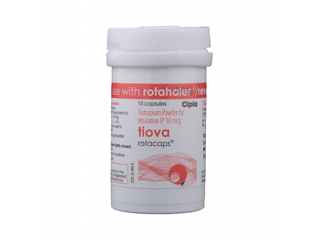
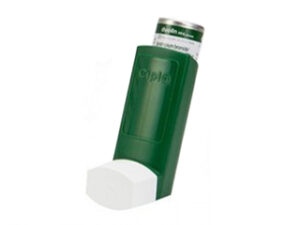
Tiova Rotacap (Tiotropium Bromide) – Patient-Friendly Guide (UK)
Tiova Rotacap is an inhaled medicine containing tiotropium bromide. It is used to help people breathe more easily by relaxing airways and reducing symptoms associated with chronic lung conditions.
This guide explains how Tiova Rotacap works, how to use it, what to expect, key safety information, and practical tips. It also covers interactions, guidance relevant to the UK, and frequently asked questions.
Quick overview
| Feature | Details |
|---|---|
| Active ingredient | Tiotropium bromide |
| Type of medicine | Long-acting antimuscarinic bronchodilator (inhaled) |
| How it’s taken | Inhalation using a Rotahaler®/inhaler device (depending on the specific pack) |
| Typical frequency | Once daily (commonly in the evening or at a consistent time each day) |
| Main uses | Chronic obstructive pulmonary disease (COPD); sometimes used for other airflow limitation as advised |
What is Tiova Rotacap?
Tiova Rotacap comes as Rotacaps (capsules) containing tiotropium bromide for inhalation. You place the capsule into the device, pierce it, and breathe in the medicine as a fine mist.
It helps keep airways open over the day by targeting specific receptors in the lung. It’s designed for maintenance treatment, meaning it is used regularly to control symptoms and improve daily breathing.
How it works (mechanism of action)
Tiotropium bromide belongs to a group of medicines called antimuscarinics (also known as anticholinergics).
- In the airways, the natural chemical acetylcholine can tighten bronchial muscle and increase mucus.
- Tiotropium blocks muscarinic receptors (especially the M3 subtype) in the airways.
- This reduces airway constriction and can help improve airflow.
- Because it is long-acting, its effects last over approximately 24 hours.
Important: Like other long-acting inhalers, Tiova Rotacap is primarily for ongoing control. It is not intended for rapid relief of sudden breathing difficulty.
Pharmacokinetics (how the body handles the medicine)
Pharmacokinetics describes what the body does to a medicine—absorption, distribution, metabolism, and elimination.
- Absorption: With inhaled use, tiotropium acts mainly in the lungs. Only a portion is absorbed into the bloodstream.
- Distribution: The drug distributes into tissues, with effects targeted at the respiratory tract.
- Metabolism: Tiotropium is not extensively metabolised; the main pathway is excretion.
- Elimination: Tiotropium is primarily cleared through the kidneys.
- Onset and duration: Symptoms often improve within hours, with sustained bronchodilation throughout the day when taken regularly.
Kidney function matters: Because elimination is largely renal, people with significant kidney impairment may need extra caution and regular review by a healthcare professional.
What is Tiova Rotacap used for?
Tiova Rotacap is commonly used for chronic obstructive pulmonary disease (COPD).
In COPD, it can help:
- Reduce breathlessness (dyspnoea)
- Improve airflow and exercise tolerance
- Provide longer-lasting symptom control
- Reduce the risk of flare-ups when used as part of an appropriate treatment plan
Not all inhaled therapies are suitable for every person. Your medicine plan should follow current UK clinical practice and your personal symptom pattern.
When and how to take it (timing and regimen)
Tiova Rotacap is typically taken once daily. Many people choose a consistent time (often in the evening) to help remember daily use.
- Consistency: Take at about the same time each day.
- Missed dose: If you miss a dose, take it when you remember unless it is close to the time for the next dose. Do not take two doses at once.
- Use daily: Even if you feel well, continue to use it to maintain control.
Not for immediate relief: Do not use Tiova Rotacap to treat sudden severe breathlessness. Your usual rescue inhaler (if prescribed) should be used for acute symptoms.
How to use Tiova Rotacap (practical guidance)
Correct inhaler technique is essential for the medicine to reach the lungs effectively. The exact steps may vary slightly depending on the device included with your pack. Always follow the instructions leaflet provided with your inhaler.
General steps (typical Rotacap use)
- Prepare: Ensure the device is clean and dry.
- Insert the capsule: Place one Rotacap into the chamber.
- Pierce: Close and press/pierce as directed so the capsule releases its powder for inhalation.
- Breathe out gently: Breathe out away from the device (do not blow into it).
- Inhale steadily: Seal lips around the mouthpiece and inhale steadily and deeply to draw the medicine into your lungs.
- Hold breath (if advised): Hold your breath briefly to help deposition in the airways.
- Check capsule: After inhaling, the capsule should be empty; dispose of it safely.
Practical tips for better results
- Don’t swallow capsules: Tiova Rotacap capsules are for inhalation only.
- Avoid rushing: A slow, deep inhale improves delivery.
- Rinse mouth after inhaled therapy? Tiotropium generally has fewer oral side effects than some steroid inhalers, but it’s still good practice to maintain oral hygiene and follow your healthcare team’s advice.
- Keep devices dry: Moisture can affect how well capsules release.
- Regular technique checks: If symptoms worsen, confirm technique—incorrect use is a common reason medicines appear not to work.
Food interactions
Food is unlikely to directly affect tiotropium when inhaled because absorption is primarily via the lungs and the dose is designed for local effect in the airways.
In general, you can take Tiova Rotacap with or without food. If you find timing helpful for routine, choose the same time each day.
Alcohol interactions
There is no commonly reported direct interaction between tiotropium and alcohol. However, alcohol may indirectly affect breathing by:
- Worsening breathlessness or sleep quality
- Reducing medication adherence if alcohol affects routines
- Increasing risk when combined with sedating treatments
If you drink alcohol, consider moderation and monitor how your breathing feels. Seek advice if you have COPD symptoms that fluctuate after drinking.
Medicine interactions
Tiotropium’s interaction profile is generally limited, but it is still important to review other medicines you use—especially other inhalers.
Key interaction considerations
- Other antimuscarinics: Using tiotropium together with another medicine from the same class (such as ipratropium, or dual bronchodilator inhalers that include antimuscarinic components) may increase side effects (e.g., dry mouth, urinary retention). Your prescriber or pharmacist will advise whether combination therapy is appropriate.
- Ocular risk: Antimuscarinic effects can worsen certain eye conditions in susceptible people (e.g., narrow-angle glaucoma). If you have a history of glaucoma, discuss it before using tiotropium.
- Urinary symptoms: People with prostate enlargement or urinary retention may be more sensitive to antimuscarinic side effects.
- Other bronchodilators: Tiotropium is often used alongside other COPD medicines (for example, long-acting beta-agonists or inhaled corticosteroids) when clinically indicated.
What to do
- Inform your pharmacist about all medicines you take, including inhalers, tablets, and over-the-counter products.
- Do not add new inhalers without checking—especially if you already use multiple breathing medicines.
- If you experience new symptoms after starting Tiova Rotacap, ask for advice promptly.
Dosing (usual adult dose)
For COPD management, the typical adult dose is:
- Tiova Rotacap: one capsule once daily (dose strength depends on the specific product presentation).
Renal impairment: Because elimination is largely renal, individuals with reduced kidney function may require closer monitoring. Follow the dose and advice provided with your product.
Children and adolescents: Tiotropium Rotacaps are generally used for adult COPD. Use in children should only occur if explicitly advised by a clinician.
Safety profile and side effects
Like all medicines, Tiova Rotacap can cause side effects. Many people tolerate it well, but it’s important to know what to watch for.
Common side effects
- Dry mouth
- Constipation
- Cough or throat irritation
- Headache
- Urinary changes (more relevant in people with urinary problems)
Less common but important side effects
- Blurred vision or eye pain (possible worsening of glaucoma)
- Difficulty urinating or worsening urinary retention
- Fast heartbeat or palpitations (rare)
- Allergic reactions such as rash, swelling, or breathing difficulty
Seek urgent medical help if
- You develop significant allergic symptoms (face/lip/tongue swelling, hives, severe rash, wheezing)
- You experience severe eye pain, marked blurred vision, or halos around lights
- You have severe worsening breathlessness that is not relieved by your usual rescue treatment
Overuse concerns
Do not take more than the recommended dose. Taking extra doses may increase risk of antimuscarinic side effects. If you think you have taken too much, contact a healthcare professional or local advice service.
Practical use tips (to get the most from Tiova Rotacap)
- Confirm technique: Incorrect inhalation technique can make the medicine ineffective.
- Use consistently: Tiotropium works best when taken daily rather than only during flare-ups.
- Track symptoms: Note breathlessness levels and any flare-ups in a simple log—your clinician can use this to adjust treatment.
- Check inhaler fit and cleanliness: Keep the device mouthpiece clean and store it as directed.
- Plan for travel: Carry your inhaler and capsules appropriately. Keep away from moisture.
- Hydrate: Dry mouth can be reduced by sips of water and good oral hygiene.
- Don’t stop suddenly: Maintenance medicines are typically continued unless your clinician advises changes.
Alternative options (other COPD maintenance treatments)
Depending on your symptoms and flare-up history, your treatment plan may include other inhaled medicines. Options commonly used in COPD include:
- Long-acting beta-2 agonists (LABAs): e.g., salmeterol, formoterol
- Long-acting muscarinic antagonists (LAMAs): other once-daily antimuscarinics (class alternatives to tiotropium)
- Dual bronchodilators (LAMA/LABA combinations): for improved symptom control
- Inhaled corticosteroids (ICS): often for people with frequent exacerbations or elevated inflammatory indicators, usually in combination regimens
- Short-acting relievers: short-acting bronchodilators for rapid symptom relief (used as advised)
Your best option depends on factors such as symptom severity, exacerbation risk, lung function, inhaler preference, and side effect tolerance. A pharmacist or clinician can explain differences in dosing schedules and inhaler devices.
UK market and legal context (high-level)
In the United Kingdom, inhaled medicines like Tiova Rotacap are regulated medicines supplied through established channels. Access and repeat supply arrangements are governed by UK medicines legislation and pharmacy practice requirements.
What this means for you:
- Availability may vary by strength and pack size.
- Some people may be advised to use specific devices and formulations for consistent delivery.
- Always follow the instructions provided with your pack and consult a professional if you are unsure.
Recent guidance and clinical practice (UK)
Management of COPD in the UK is commonly guided by clinical pathways and recommendations used by healthcare professionals, aiming to:
- Start maintenance bronchodilator therapy tailored to symptoms
- Use regular inhalers to reduce breathlessness and improve quality of life
- Review inhaler technique and adherence regularly
- Escalate or combine therapies when symptoms are not controlled
- Consider exacerbation history and other risk factors when choosing treatment intensity
Where tiotropium fits: As a long-acting antimuscarinic, tiotropium is a well-established option within COPD long-term management strategies. Ongoing reviews may include adjusting to a different inhaler type or combining medicines if symptoms remain uncontrolled.
Guidance and recommendations can evolve. If you’re unsure about your current COPD plan, consider asking your pharmacist or GP practice team for a review.
Delivery, availability, and ordering (online pharmacy)
Tiova Rotacap may be available for home delivery via online pharmacies in the UK, subject to product availability and regulatory requirements.
- Stock status: In-demand strengths can sometimes sell out temporarily; restocks may vary.
- Packaging: Products are typically supplied in original manufacturer packaging for traceability and safety.
- Delivery times: Delivery schedules depend on the chosen delivery service and local logistics. Ordering during peak periods may affect dispatch timing.
- Storage on arrival: Store according to the leaflet instructions (typically at room temperature, away from moisture and direct heat).
If you need help checking availability or choosing the correct product strength, contact the pharmacy’s customer service team.
FAQ – Tiova Rotacap
1. Is Tiova Rotacap a rescue inhaler?
No. Tiova Rotacap is intended for regular daily maintenance to control symptoms over time. It is not designed for rapid relief of sudden breathlessness. Ask your pharmacist what to use for sudden symptoms.
2. How long does it take to work?
Many people notice improvement in breathing within hours of taking tiotropium, and benefits can become clearer over days with regular use. If you don’t feel any benefit after a period of consistent use, seek advice—technique and treatment choice may need review.
3. What happens if I miss a dose?
Take it when you remember unless it is close to the time for your next dose. Do not double up. If you’re unsure, ask a pharmacist for personalised guidance.
4. Can I use Tiova Rotacap with other inhalers?
Often, yes—especially other inhalers used for COPD. However, avoid adding additional antimuscarinic medicines without advice. Your pharmacist can help check compatibility of your inhaler routine.
5. Will food affect it?
Usually not. Tiova Rotacap can generally be taken with or without food.
6. Can I drink alcohol while using Tiova Rotacap?
There is no common direct interaction, but alcohol may affect breathing and routines. If alcohol makes symptoms worse, consider reducing intake and seek advice if needed.
7. Are there people who should take extra care?
Extra caution may be needed for people with:
- History of narrow-angle glaucoma
- Problems with urinary retention or enlarged prostate
- Significant kidney impairment
Discuss your medical history with a healthcare professional.
8. What if I accidentally get the medicine into my eyes?
Inhaled antimuscarinics may cause eye effects if aerosol contacts the eyes. If you develop eye pain, blurred vision, or worsening glaucoma symptoms, seek urgent medical advice.
9. How should I store the Rotacaps?
Keep capsules in their original packaging and store them as directed on the pack, protecting them from moisture and heat. Only insert a capsule right before using.
10. Can I stop Tiova Rotacap?
Don’t stop suddenly unless advised. Maintenance treatment helps keep airways open and helps control symptoms. If you want to stop or switch, speak to a pharmacist or clinician.
Summary
Tiova Rotacap (tiotropium bromide) is a long-acting inhaled antimuscarinic used in COPD to improve airflow and reduce breathlessness when taken regularly once daily. It works by blocking muscarinic receptors in the airways, helping keep bronchial muscles relaxed. Correct inhaler technique and consistent daily use are key to getting the best effect.
If you experience side effects, worsening breathing, or you’re unsure about how to use your inhaler, speak to a pharmacist for practical support.