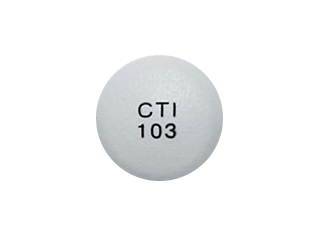


Diclofenac (Diclofenac sodium) — Patient Guide (UK)
Diclofenac sodium is a widely used anti-inflammatory medicine in the UK, commonly found in several forms such as tablets, modified‑release tablets, capsules, gels/creams, and patches. It is used to help relieve pain and inflammation in conditions affecting muscles, joints, and back.
This page is designed to help you understand what diclofenac does, how to use it safely, and what to consider regarding food, alcohol, other medicines, and when to seek advice.
1) Basic product information
| Information | Details |
|---|---|
| Active ingredient | Diclofenac sodium |
| Medicine type | NSAID (non‑steroidal anti‑inflammatory drug) |
| Common forms (examples) | Tablets/capsules (some strengths may be prescription only in practice), gel/cream, transdermal patch |
| Main benefits | Pain relief and reduction of inflammation (swelling, stiffness) |
| Who it’s for | Adults and, depending on product, some adolescents for specific indications |
| Key safety considerations | GI (stomach) risk, cardiovascular risk, kidney effects, asthma/NSAID sensitivity, interactions |
2) How diclofenac works (mechanism of action)
Diclofenac is an NSAID. NSAIDs reduce pain and inflammation by affecting the body’s production of certain signalling chemicals called prostaglandins. Prostaglandins are involved in:
- Inflammation (swelling and redness)
- Pain transmission
- Fever (less relevant for local joint pain products, but still part of NSAID pharmacology)
Diclofenac mainly works by inhibiting the enzymes cyclo‑oxygenase (COX), which helps lower prostaglandin levels. The result is reduced inflammatory pain and improved mobility, especially for conditions such as osteoarthritis and painful joint flare‑ups.
3) Typical uses in the UK
The precise wording and eligibility depend on the product type and strength. In general, diclofenac is used for:
- Osteoarthritis (for painful, stiff joints—often knees, hips, hands)
- Rheumatoid arthritis (inflammation and pain related to inflammatory joint disease)
- Back pain and musculoskeletal pain where inflammation plays a role
- Sprains, strains, and sports injuries (especially with topical forms)
- Painful joints and soft‑tissue inflammation (topical gels/creams for localised areas)
Topical diclofenac (gel/cream) is often preferred for localised joint or soft‑tissue pain because it targets the area and may reduce some whole‑body exposure compared with tablets.
4) Indications by product type (what it’s used for)
Diclofenac is available in multiple formulations. The “indication” (the condition it’s meant to treat) can differ between: oral products (tablets/capsules), topical products (gel/cream), and patches.
- Oral diclofenac is commonly used for inflammatory joint diseases and other painful inflammatory conditions.
- Topical diclofenac is commonly used for localised pain such as osteoarthritis of superficial joints (e.g., hands/knees) and soft‑tissue injuries.
Always follow the product leaflet supplied with the specific brand you purchase. If you are unsure, ask a pharmacist or healthcare professional.
5) Timing and how to take it
Oral diclofenac (tablets/capsules)
- Follow the directions on the pack. Some formulations require dosing once daily; others are taken multiple times daily.
- Take with water. Swallow tablets whole unless the leaflet says otherwise.
- Use the lowest effective dose for the shortest possible time. This is especially important for older adults and those at higher risk.
Topical diclofenac (gel/cream)
- Apply to clean, dry skin over the painful area.
- Wash hands after applying unless your hands are the target area.
- Avoid broken skin, eyes, and mucous membranes.
- Do not cover with airtight dressings unless advised.
Missed dose
- If you miss a dose, take it when you remember unless it is almost time for the next one.
- Do not take a double dose to make up for a missed one.
6) Food interactions (can you take it with meals?)
Food can influence how quickly oral diclofenac is absorbed, but most people can take diclofenac with or after meals to improve stomach tolerance.
- To reduce stomach discomfort: consider taking oral diclofenac with food or after a meal.
- Topical diclofenac: food is not a major concern because it works mainly at the site of application.
If your leaflet specifies modified‑release dosing, do not crush or break the tablet/capsule unless instructed, as this can affect how the medicine is released.
7) Alcohol interactions
Alcohol can increase the risk of side effects with NSAIDs, particularly stomach irritation and gastrointestinal bleeding, and may affect how safely your body handles the medicine.
- Avoid or minimise alcohol while taking oral diclofenac.
- If you drink regularly or heavily, seek advice before using diclofenac.
Topical diclofenac usually results in lower systemic exposure, but the safest approach is still to avoid heavy alcohol intake, especially if you have a history of stomach ulcers or bleeding.
8) Medicine interactions (important safety information)
Diclofenac can interact with other medicines. It’s especially important to avoid combining it with medicines that increase bleeding risk or raise NSAID-related complications.
Common interaction concerns
- Other NSAIDs (e.g., ibuprofen, naproxen, aspirin for pain): combining increases risk of GI side effects and kidney stress.
- Anticoagulants (e.g., warfarin): may increase bleeding risk.
- Antiplatelet medicines (e.g., clopidogrel, some aspirin regimens): may increase bleeding risk.
- Blood pressure medicines (ACE inhibitors/ARBs) and diuretics: together with NSAIDs can increase kidney risk.
- Diabetes medicines (especially some types of oral agents): rare changes in blood sugar may occur.
- Lithium and methotrexate: NSAIDs can affect levels and increase toxicity risk.
- Some antidepressants (SSRIs/SNRIs): may increase bleeding risk in the stomach or gut.
This is not a complete list. Always tell your pharmacist or healthcare professional about all medicines and supplements you take, including over-the-counter products.
9) Pharmacokinetics (how the body handles diclofenac)
Pharmacokinetics describes how the body absorbs, distributes, metabolises, and eliminates diclofenac. Key points are summarised below.
- Absorption: Diclofenac is absorbed after oral use. The rate and extent can vary with formulation (immediate vs modified release) and whether you take it with food.
- Distribution: It distributes into tissues and is particularly relevant for pain/inflammation around joints.
- Metabolism: Diclofenac is metabolised mainly in the liver.
- Elimination: Metabolites are eliminated primarily via the kidneys (and some via bile/faeces).
Because liver metabolism and kidney elimination are involved, people with liver disease or kidney impairment should use diclofenac with extra caution and follow medical advice closely.
10) Dosing guidance (typical approach)
The correct dose depends on the formulation, strength, and condition. Always check your specific product leaflet. Below is general guidance on common dosing principles rather than a substitute for your pack instructions.
General dosing principles
- Use the lowest effective dose to control symptoms.
- Use for the shortest possible time—review if pain persists beyond a few days.
- Avoid duplication: do not take another NSAID at the same time.
- Older adults: may be more vulnerable to side effects (stomach, kidneys, blood pressure); dosing often needs to be conservative.
Topical gel/cream dosing (general)
Topical dosing is usually described as a specific amount (often a measured “strip” of gel) applied up to a certain number of times per day. Use the amount stated in your leaflet and avoid applying to large areas or using more often than recommended.
When to stop and get advice
- If pain worsens rapidly or you develop new swelling or fever.
- If you develop signs of allergy (rash, swelling, wheeze, breathing difficulty).
- If you develop stomach bleeding symptoms (see Safety Profile).
11) Safety profile: key risks to know
Like all NSAIDs, diclofenac can cause side effects. Many people tolerate it well when used correctly, but certain risks are important—especially with higher doses, longer duration, older age, and existing medical conditions.
Serious risks (seek urgent medical advice if severe)
- Gastrointestinal (GI) harm: stomach pain, indigestion, ulcers, or bleeding—especially if you have a history of ulcers.
- Cardiovascular risk: NSAIDs can increase risk of blood clots, heart attack, or stroke, particularly with long-term use or in higher-risk individuals.
- Kidney effects: NSAIDs can reduce kidney function, especially in people who are dehydrated or have existing kidney issues.
- Allergic reactions and asthma sensitivity: some people with NSAID-sensitive asthma or previous reactions may worsen.
- Serious skin reactions and liver problems: rare but important—stop use and get advice if you develop severe rash or signs of liver injury (e.g., yellowing of skin/eyes, dark urine).
Common side effects
- Indigestion, nausea, or stomach discomfort (more common with oral forms)
- Headache or dizziness (less common)
- Skin reactions at application sites (more common with topical forms: redness, itching)
Who should take extra care
Talk to a pharmacist or healthcare professional before using diclofenac if you have any of the following:
- History of stomach ulcer or GI bleeding
- History of heart disease, stroke, or high cardiovascular risk
- Kidney problems or are dehydrated
- High blood pressure not well controlled
- Asthma or known sensitivity to NSAIDs
- Liver disease
- Taking medicines that affect bleeding or kidney function (see interactions)
If you are pregnant, planning pregnancy, or breastfeeding, check the product leaflet for relevant advice. NSAIDs generally need careful consideration during pregnancy.
12) Practical use tips (to get the best results safely)
Choose the right form
- Localised pain (e.g., one knee/hand area or a sore patch of muscle): topical diclofenac can be a good option.
- Widespread joint pain or conditions such as inflammatory arthritis: oral diclofenac may be used, subject to suitability.
Use consistently but don’t overuse
- For oral diclofenac, adhere to the dose frequency in the leaflet.
- For topical diclofenac, use only the recommended amount and frequency.
Track improvement
If diclofenac is helping, pain often improves within the first few days. If you see little benefit or symptoms persist, consider speaking to a pharmacist or clinician rather than extending NSAID use.
Stay hydrated
Adequate fluid intake supports kidney function. This is particularly relevant during hot weather, illness with vomiting/diarrhoea, or if you are taking diuretics.
Protect the skin (topical use)
- Avoid sunlight on treated areas where possible (some topical NSAIDs can increase sensitivity).
- Don’t apply heat pads or hot compresses directly over the gel unless advised, as this may increase absorption.
13) Alternative options
Depending on your symptoms and medical history, alternatives to diclofenac may include:
For pain relief
- Paracetamol (acetaminophen): useful for pain relief without the same NSAID ulcer risk.
- Other topical NSAIDs: for local pain, alternative gels may be considered.
- Non‑drug measures: gentle movement, physiotherapy exercises, heat/cold therapy, supportive footwear, and rest from aggravating activities.
For inflammation/arthritis
- Condition-specific management strategies may include physiotherapy, activity modification, weight management, and in some cases disease‑modifying treatments (for inflammatory arthritis, these are not NSAIDs).
If you are switching between pain relievers, ask a pharmacist for advice to avoid accidental duplication or unsafe combinations.
14) Market and legal context in the United Kingdom (overview)
In the UK, availability and prescribing rules for medicines depend on the product form, strength, and regulatory classification. Some NSAID presentations are available from pharmacies for self‑care, while others are restricted or require a clinician’s involvement.
- Product classification: check the packaging and leaflet for the exact status of your specific diclofenac product.
- Safety updates and prescribing advice: UK healthcare guidance regularly emphasises using NSAIDs at the lowest effective dose and for the shortest time due to cardiovascular and GI risks.
- Pharmacist role: pharmacists help ensure it is suitable based on your history and interacting medicines.
If you have complex conditions or take multiple medicines, it’s especially important to get advice before using diclofenac.
15) Recent guidance themes (UK health perspective)
While specific recommendations can vary by clinical scenario and update cycle, common UK guidance themes for NSAID safety include:
- Lowest effective dose and shortest duration (regularly reiterated across safety messaging).
- Increased caution in individuals with cardiovascular risk and a focus on appropriate alternatives when risk is high.
- Attention to GI protection in people at higher risk, based on clinician judgement.
- Caution when NSAIDs are combined with medicines affecting kidneys or bleeding.
Always refer to the specific product leaflet and seek professional advice for personal circumstances.
16) Delivery and availability (online pharmacy UK)
Diclofenac products may be available through online pharmacies, depending on the exact formulation and regulatory classification. Availability can vary by brand, strength, and whether it’s a self‑care product or restricted category.
- Dispatch times: typically depend on stock status and order cut‑off times.
- Delivery options: many UK online pharmacies offer standard and tracked delivery services.
- Packaging: medicines are dispatched in appropriate protective packaging with full instructions.
- Availability changes: stock may vary; if your preferred brand is unavailable, the pharmacy may offer an equivalent product if allowed.
For the fastest service, ensure delivery details are correct and include any requested information at checkout.
17) FAQ
Can I take diclofenac with food?
Yes, many people find it easier on the stomach if they take oral diclofenac with or after food. Always follow the directions in your product leaflet.
Is topical diclofenac safer than tablets?
Topical diclofenac generally results in lower whole‑body exposure than oral use, but it can still have side effects—especially if used excessively. Use only the recommended amount and frequency.
What happens if I accidentally take too much?
Taking more than recommended can increase risk of side effects (stomach bleeding, kidney issues, dizziness, etc.). If you think you have taken too much, seek advice urgently—contact NHS 111 or your local urgent care service.
Should I avoid ibuprofen or naproxen while using diclofenac?
In general, you should avoid combining NSAIDs (such as ibuprofen, naproxen, or more than one NSAID at a time) unless a clinician specifically advises it, due to increased GI, kidney, and cardiovascular risks.
Can I drink alcohol while using diclofenac?
It’s best to avoid or minimise alcohol, particularly with oral diclofenac, because alcohol can increase the risk of stomach irritation and bleeding. If you have a history of ulcers or bleeding, get advice before using diclofenac.
How long should I use diclofenac for?
Use the lowest effective dose for the shortest time. If your symptoms do not improve within a few days (or if they are severe), seek advice from a pharmacist or healthcare professional rather than continuing indefinitely.
Who should not use diclofenac?
People with certain medical histories (e.g., active stomach ulcers, certain severe heart conditions, NSAID allergy or NSAID‑triggered asthma, or significant kidney/liver disease) should avoid diclofenac unless a healthcare professional advises otherwise. Check your leaflet and ask for advice if unsure.
What should I do if I get stomach pain or black stools?
Stop using diclofenac and seek urgent medical help. Black, tarry stools or vomiting blood can be signs of GI bleeding.
Can I use diclofenac gel with other creams or treatments?
You should be cautious about layering many products on the same skin area. Wait between applications if recommended and avoid applying on broken skin. Ask a pharmacist if you are unsure.
Are there alternatives if diclofenac doesn’t suit me?
Yes. Depending on your pain type and medical history, options may include paracetamol, different topical anti‑inflammatory agents, or non‑drug measures such as physiotherapy. A pharmacist can help you choose safely.
Summary
Diclofenac sodium is an NSAID used in the UK to relieve pain and inflammation, especially for joint and musculoskeletal conditions. It works by reducing prostaglandins, which helps lessen swelling and pain signals. Because it can affect the stomach, kidneys, and cardiovascular system, it’s important to use the lowest effective dose, for the shortest duration, and avoid unsafe combinations—particularly with other NSAIDs, anticoagulants, or medicines that may stress kidneys.
If you have any doubt about suitability, interactions, or which formulation is best for you, speak to a pharmacist. Always read the patient information leaflet supplied with your diclofenac product.