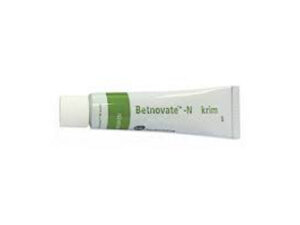
Diprolene (Betamethasone) — Patient Information
Diprolene is a brand name that contains the corticosteroid medicine betamethasone. Depending on the exact product you choose (for example, creams, ointments, or other topical formulations), it may be used to relieve inflammation and itching from certain skin conditions. This page explains how Diprolene works, when it’s used, how to apply it safely, and what to consider alongside other medicines and everyday factors.
Note: Always check the label on your specific Diprolene product (e.g., strength and formulation), as advice can vary slightly between preparations.
Basic product information
| Item | Details (UK context) |
|---|---|
| Active ingredient | Betamethasone (a potent corticosteroid) |
| Medicine type | Topical corticosteroid for skin |
| Common form | Cream or ointment (formulation varies by product) |
| How it’s used | Applied to affected skin in a thin layer |
| Who it may suit | Adults and children only when appropriate for age and skin condition (see safety) |
| Where it works | Primarily local anti-inflammatory action in the skin |
How Diprolene works (mechanism of action)
Betamethasone is a corticosteroid. When applied to the skin, it reduces inflammation by affecting several pathways involved in the immune response. In practical terms, it can help to:
- Reduce redness and swelling by dampening local inflammatory signalling.
- Relieve itching that often accompanies eczema and other inflammatory skin conditions.
- Calm overactive immune activity in irritated skin.
- Slow inflammatory cell activity and decrease release of inflammatory chemicals.
It is important to remember that topical steroids treat the inflammation—they do not directly treat the underlying cause of infection (for example, fungal or bacterial infection). In some conditions, infection may need separate treatment.
Pharmacokinetics (how the body handles it)
Because Diprolene is applied to the skin, absorption is generally limited compared with tablets or injections. However, absorption can increase if:
- Large areas of skin are treated.
- The skin is damaged (for example, cracked eczema).
- It is applied under occlusion (e.g., airtight dressings or tight coverings) unless specifically advised.
- It is used for longer than recommended.
- It is used in children (the skin surface area to body weight ratio is higher).
Once absorbed, betamethasone can enter the bloodstream and is processed by the liver and then eliminated mainly via the kidneys. With short, properly applied courses on small areas, systemic absorption is typically low.
Typical uses (indications)
Diprolene is used for inflammatory skin conditions where a corticosteroid is appropriate. Common uses include:
- Eczema and other dermatitis conditions that cause itchy, inflamed skin.
- Psoriasis (where topical steroid therapy is suitable, and typically as part of a broader plan).
- Lichenified skin (thickened, inflamed skin) associated with chronic irritation.
- Other steroid-responsive inflammatory rashes as advised by a clinician.
If your skin condition is caused by or complicated by infection, you may need different or additional treatment. Do not apply corticosteroids to infections unless advised (for example, some fungal conditions can worsen).
Where and when to apply (timing and practical routine)
The right timing depends on the severity of your symptoms and your specific Diprolene product, so follow the instructions provided with your medicine. As a general approach for many topical steroids:
- Apply to clean, dry skin.
- Use a thin layer covering only the affected areas.
- Typically apply once or twice daily depending on severity and clinician advice.
- Wash your hands after application unless your hands are the treated area.
How quickly should it start working?
Many people notice improvement in symptoms such as itching within a few days. If there is no improvement within about 1–2 weeks (or sooner if instructed), seek medical advice to confirm the diagnosis and treatment plan.
How long can you use it?
Use the shortest effective duration for the condition. Prolonged or frequent use increases the risk of side effects, including skin thinning and rebound flare when stopping.
Dosing guidance (adult and general)
Dosing for topical steroids is usually described in terms of how much to apply and how often. Always follow the directions on your specific Diprolene pack.
- Adults: Apply a thin film to affected skin, typically once or twice daily depending on the formulation and severity. Avoid using over very large areas unless specifically advised.
- Children: Potent topical steroids require extra caution. Use only under appropriate clinical guidance, especially for longer periods or on sensitive areas.
- Face, eyelids, groin, armpits, and widespread areas: These areas are more susceptible to steroid side effects. Use only if advised and typically for the shortest duration.
If you miss a dose, apply it when you remember unless it’s close to the time of the next dose. Do not apply extra to make up for the missed application.
Food interactions
Diprolene is applied to the skin and is not taken by mouth, so food interactions are not expected. However, general wellbeing can affect skin conditions—eating triggers vary by person, and maintaining hydration and a gentle skincare routine can support recovery.
Alcohol and medicine interactions
There are typically no direct alcohol interactions with topical betamethasone because it is not usually absorbed in large amounts. Still, be cautious if you have other conditions or medicines that affect the immune system.
Other medicines
Potential interactions are mainly about overlapping treatment or skin reactions, rather than systemic drug-drug interactions. Consider:
- Other topical products: Avoid combining multiple steroid or irritant products on the same area unless advised. If you’re using moisturisers, apply the moisturiser after the steroid only if your clinician advises (or use moisturiser on non-treated areas).
- Antifungals or antibacterials: If infection is present, clinicians may prescribe targeted treatments. Using steroid alone can sometimes worsen infections.
- Systemic corticosteroids or immunosuppressants: Absorption is generally low, but if you already use systemic steroids, ask for advice if applying Diprolene to large areas or for prolonged periods.
Safety profile: side effects and precautions
Like all medicines, Diprolene can cause side effects, especially if used too much, too often, or for too long. Many people use topical steroids without problems when used correctly.
Common local side effects
- Skin burning, stinging, or irritation at the application site.
- Dryness or mild redness.
- Follicle irritation or acne-like changes (depending on the area and formulation).
Less common but important risks (particularly with potent steroids)
- Skin thinning (atrophy), especially on face or skin folds.
- Stretch marks (striae) with prolonged use.
- Visible blood vessels (telangiectasia).
- Perioral dermatitis or worsening around the mouth/nose if used on facial areas.
- Rebound flare when stopping after regular or long-term use.
- Higher infection risk if steroid use masks infection or reduces local immunity.
- Systemic effects are uncommon with appropriate short use, but can occur with high absorption (e.g., large areas, occlusion, or extended treatment), including effects on adrenal function.
When to stop and seek urgent advice
Get medical advice promptly if you notice:
- Signs of infection: increasing redness, warmth, swelling, pus, fever, or rapidly spreading rash.
- Severe or worsening burning/pain after applying the medicine.
- Rash that does not improve or keeps recurring quickly after treatment.
- Eye symptoms if used near the eye (redness, pain, blurred vision).
Special populations and precautions
- Children: Use extra caution. Potent steroids should be used sparingly and for short periods.
- Pregnancy and breastfeeding: Topical steroids may be used when clinically needed, typically with the lowest strength and shortest duration. Avoid large-area use unless advised.
- Older adults: Fragile or thin skin increases risk of thinning and irritation.
- Existing skin conditions: If you have acne, rosacea, or fungal infections, ensure steroid suitability.
Practical use tips (how to get the best results safely)
- Apply the right amount: Use a thin film. More is not always better for potent steroids.
- Cover appropriately: Avoid tight occlusion unless explicitly instructed by a clinician. If a dressing is required, follow professional advice.
- Don’t use on infected areas unless directed: If there’s suspicion of infection (especially fungal), seek advice before continuing.
- Moisturise alongside treatment: Using an emollient regularly can improve skin barrier function and may reduce flare-ups.
- Avoid the eyes: Do not apply to eyelids unless instructed.
- Hand hygiene: Wash hands after use to avoid accidental transfer to eyes or other sensitive areas.
- Track progress: Note improvements after a few days and reassess if there’s no improvement by 1–2 weeks.
- Change lifestyle basics: Keep showers lukewarm, avoid harsh soaps, wear breathable fabrics, and reduce scratching to help the skin heal.
Alternative options (depending on the condition)
The best alternative depends on what your skin problem is (eczema, psoriasis, dermatitis, etc.) and how severe it is. Some options that may be considered include:
- Emollients / moisturisers: For symptom control and reducing dryness and flares.
- Other topical steroids (different strengths): Milder steroids may be suitable for less severe inflammation or for sensitive areas, if appropriate.
- Non-steroidal anti-inflammatory creams/ointments: In some cases, clinicians recommend alternatives that can be helpful for maintenance or sensitive areas.
- Antifungal treatment: If the rash is due to fungal infection, anti-fungal therapy may be needed rather than steroids alone.
- For psoriasis: Depending on severity, treatments may include vitamin D analogues, coal tar preparations, or phototherapy (specialist-led).
If you are unsure about the diagnosis or the cause of your rash, confirming the condition can prevent incorrect treatment.
UK market and legal context (plain-language overview)
In the UK, medicines are regulated by the Medicines and Healthcare products Regulatory Agency (MHRA). Availability, labelling, and classification depend on product strength, formulation, and intended use.
Many topical corticosteroids are available only under certain supply arrangements, while some formulations may be obtainable through specified channels based on category and strength. Your online pharmacy will display the applicable product options and help ensure you receive the correct formulation for your needs.
UK guidance also emphasizes safe use of corticosteroids, including appropriate strength selection, duration limits, and caution on sensitive body sites, particularly for children.
Recent guidance and safe-use principles (UK-informed)
Guidance across the UK and advice from healthcare professionals commonly highlight:
- Use the lowest effective strength and shortest effective duration.
- Review if not improving after a reasonable period.
- Prefer emollients for routine barrier care, alongside targeted anti-inflammatory treatment.
- Avoid steroid misuse (overuse, prolonged use, or applying to inappropriate conditions such as infections).
- Be cautious on the face and skin folds, where side effects can develop more easily.
Delivery and availability
Our UK pharmacy service delivers to eligible addresses within the United Kingdom. Availability depends on the specific Diprolene product and formulation you select (cream vs ointment) and the strength listed on the pack.
Delivery timelines can vary depending on your location and order processing times. You will see estimated delivery options during checkout.
- Packaging: Medicines are supplied in their sealed packaging with clear labelling.
- Storage: Store as directed on the product label (typically at room temperature, protected from heat and moisture).
- Check expiry: Always use within the expiry date on the pack.
Frequently Asked Questions (FAQ)
1) What is Diprolene used for?
Diprolene (betamethasone) is used to reduce inflammation and itching in certain steroid-responsive skin conditions, such as eczema/dermatitis and other inflammatory rashes. It is not intended to treat infections unless a clinician specifically advises combined therapy.
2) How do I apply Diprolene?
Clean and dry the area first. Apply a thin layer to the affected skin, usually once or twice daily (depending on your product instructions). Wash your hands after application unless your hands are being treated.
3) Can I use Diprolene on my face?
Potent steroids can cause more side effects on the face. Use on facial skin only if appropriate for your condition and only for the shortest time and amount advised.
4) What should I do if symptoms come back?
Relapse can happen with inflammatory skin conditions. If you need repeated courses or symptoms return quickly, seek advice to confirm the diagnosis and discuss a long-term skin care plan and appropriate maintenance options.
5) Is it safe to use long term?
Long-term or high-frequency use of potent topical steroids increases the risk of skin thinning and other side effects. Use the shortest effective duration and follow the directions on your pack. If treatment needs to be extended, discuss it with a clinician.
6) Can I use Diprolene with moisturisers?
Emollients are often helpful for eczema and dry skin. Many people apply moisturisers regularly and use the steroid only on inflamed areas. If you’re unsure about timing, apply the moisturiser at a different time from the steroid and avoid mixing products together directly on the same area unless advised.
7) What if my rash looks infected?
If you notice signs of infection (spreading redness, worsening pain, pus, crusting with rapid deterioration, fever), stop and seek medical advice. Steroids can mask infection and may worsen some infections.
8) Are there food or alcohol interactions?
Food interactions are not expected with topical use. Alcohol also has no typical direct interaction with topical betamethasone. However, if you have other conditions or take medicines that affect immunity or hormones, ask for individual advice.
9) What should I do if I accidentally apply too much?
Use only as directed going forward. If the treated area is large or you’re using it more frequently than advised, contact a pharmacist or clinician for guidance. Watch for increased irritation or side effects.
10) When should I seek further help?
Get advice if your symptoms do not improve after about 1–2 weeks, if they worsen at any time, or if you need frequent repeat treatment.
Important: This information is for general guidance. For personalised advice, speak to a qualified healthcare professional or pharmacist—especially for children, pregnancy/breastfeeding, facial use, large-area treatment, or if infection is suspected.