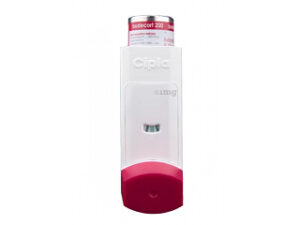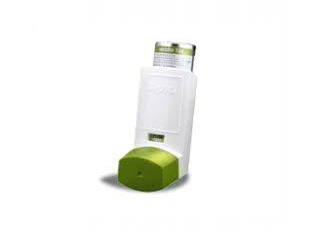
Seroflo Inhaler (Fluticasone + Salmeterol) — Patient-Friendly Guide
Seroflo Inhaler is a combination inhaler used to help control asthma symptoms and reduce the risk of flare-ups. It contains two medicines: fluticasone (an inhaled corticosteroid) and salmeterol (a long-acting bronchodilator).
This page explains how Seroflo works, what it’s used for, how to use it properly, and key safety information relevant to people in the United Kingdom.
Quick Overview
- Medicine: Fluticasone + Salmeterol
- Type: Controller (maintenance) inhaler
- What it helps with: Long-term asthma control, reducing symptoms and preventing attacks
- Not for: Quick relief of sudden breathlessness (a separate reliever inhaler is usually needed)
- Common devices: Metered-dose inhaler (MDI) style depending on the product strength
Basic Product Information
Seroflo Inhaler contains fluticasone and salmeterol in fixed doses. The exact strength you receive may vary (for example, based on the number of micrograms of fluticasone per puff and the salmeterol dose).
Important: Always check the strength on your inhaler label and follow your clinician’s instructions for your specific product.
| Feature | Details |
|---|---|
| Active ingredients | Fluticasone (inhaled corticosteroid) + Salmeterol (long-acting beta-2 agonist) |
| Primary use | Maintenance treatment for asthma |
| How it works | Reduces airway inflammation and helps keep airways open over a long period |
| Typical dosing schedule | Often twice daily (exact schedule depends on the strength and your treatment plan) |
| Common side effects | Sore throat/hoarseness, mouth irritation, oral thrush (may occur with inhaled steroids) |
How Seroflo Works (Mechanism of Action)
Seroflo combines two complementary medicines. Using both together helps control the main drivers of asthma symptoms: inflammation and airway constriction.
Fluticasone (inhaled corticosteroid)
Fluticasone is a corticosteroid delivered directly to the lungs. It helps to:
- Reduce airway inflammation
- Lower mucus production and swelling
- Reduce the sensitivity of airways to triggers
- Improve long-term symptom control
Salmeterol (long-acting beta-2 agonist, LABA)
Salmeterol relaxes the smooth muscle around the airways. This helps to:
- Keep airways open for a longer period
- Improve airflow and reduce symptoms
- Help prevent night-time symptoms
Together, fluticasone targets the inflammatory process, while salmeterol helps maintain bronchodilation.
Pharmacokinetics (How the Body Handles the Medicines)
With inhalers, most of the medicine is intended to reach the lungs. However, a portion may also be swallowed and absorbed through the gut. Overall absorption depends on technique, dose, and the product form.
Fluticasone
- Absorption: Some is swallowed and absorbed from the gastrointestinal tract; some is deposited in the lungs.
- Metabolism: Metabolised mainly in the liver via CYP3A4.
- Elimination: Cleared largely through metabolism and excretion (exact proportions vary).
Salmeterol
- Absorption: After inhalation, most local effects occur in the airways. Systemic absorption can occur at smaller levels.
- Metabolism: Primarily metabolised in the liver.
- Elimination: Excretion after metabolism (details vary by individual factors).
Systemic effects are generally lower than with oral steroids, but side effects can still occur—particularly if technique is poor, doses are high, or inhaled steroids are not rinsed from the mouth properly.
What Seroflo Is Used For (Indications)
In the UK, Seroflo is used for the maintenance treatment of asthma, typically for people whose asthma is not adequately controlled with inhaled corticosteroid alone, or for those who require combination therapy.
Your healthcare professional will decide whether Seroflo is appropriate based on symptom frequency, past exacerbations, lung function, and current treatment.
- Helps prevent symptoms such as wheeze, shortness of breath, chest tightness, and cough
- Helps reduce the likelihood of flare-ups requiring urgent care or additional treatment
Seroflo does not replace a quick-relief “reliever” inhaler for sudden symptoms. In many asthma plans, a fast-acting bronchodilator such as salbutamol is used for immediate relief.
Typical Dosing and Timing
Dosing depends on the exact strength of Seroflo and the individual asthma plan. Common regimens include twice-daily dosing. Always follow the instructions on your inhaler packaging and the plan agreed with your clinician.
When to take it
- Try to take doses at consistent times each day (for example, morning and evening).
- Some people find it easiest to link inhalations to routine activities (before breakfast and before bed).
How long it takes to work
The bronchodilator component helps relatively quickly after inhalation, while the anti-inflammatory benefit builds over time. You may notice improvement over days, but optimal control may take longer.
Remember
- Do not stop Seroflo suddenly without medical advice.
- Do not use extra puffs to treat sudden attacks—use your reliever inhaler instead.
Using Seroflo Correctly (Practical Tips)
Technique strongly affects how much medicine reaches your lungs. If you are unsure, ask a pharmacist or asthma nurse to check your inhaler technique.
General steps for an MDI-style inhaler
- Remove the cap and check the mouthpiece for debris.
- Shake the inhaler (as directed by the packaging).
- Breathe out gently away from the inhaler.
- Seal your lips around the mouthpiece.
- Start to breathe in slowly and deeply. Press the canister to release one puff at the start of inhalation (timing matters).
- Keep breathing in for as long as comfortable.
- Hold your breath for about 5–10 seconds, if possible.
- Wait about 30 seconds to 1 minute before the next puff (if prescribed).
Rinse your mouth
Because Seroflo includes an inhaled corticosteroid, it’s important to help prevent mouth/throat side effects. After using your inhaler, rinse your mouth with water and spit it out (unless packaging says otherwise).
Common technique issues
- Not breathing in slowly enough during actuation
- Pressing the canister too early or too late
- Not holding the breath long enough
- Skipping mouth rinsing
Food Interactions
There are no specific food restrictions known to directly affect Seroflo performance when inhaled.
However, practical advice includes:
- Use your inhaler as directed, regardless of meal timing.
- If taking other medicines around the same time, keep a simple routine to avoid missed doses.
- For people who experience nausea or stomach upset from inhaler techniques (rare), consider ensuring you are seated comfortably and breathe calmly.
Alcohol and Medicine Interactions
Alcohol
Moderate alcohol intake is not generally known to directly interact with Seroflo. However, alcohol can sometimes worsen asthma symptoms in some individuals (for example, through irritation, reflux, or disrupted sleep).
- If you notice symptoms worsen after alcohol, consider reducing intake and discuss with a healthcare professional.
- Avoid drinking excessively, especially if you have frequent symptoms or poor asthma control.
Other medicines that may interact
Seroflo’s components can be affected by certain medicines, especially those that influence liver enzymes involved in metabolism. Tell your pharmacist or clinician about all medicines you take, including over-the-counter products and herbal remedies.
Examples of medicine interactions to consider:
- Strong CYP3A4 inhibitors (e.g., some antifungals and certain antibiotics) may increase steroid levels and risk side effects.
- Beta-blockers (including some eye drops) can reduce the effect of bronchodilation or worsen breathing in asthma.
- Other LABA or sympathomimetic medicines may increase risk of cardiovascular or nervous system side effects.
- Diuretics (“water tablets”) and some other medicines can affect potassium levels, which may be relevant with beta-agonists.
- Oral corticosteroids or other steroid medicines may increase overall steroid exposure.
This is not exhaustive. If you start a new medicine, ask whether it could interact with Seroflo.
Safety Profile: Side Effects and Warnings
Like all medicines, Seroflo can cause side effects. Many people tolerate it well. Side effects vary in likelihood and severity.
Common side effects
- Hoarseness or voice changes
- Sore throat or throat irritation
- Oral thrush (fungal infection in the mouth), especially if mouth rinsing is skipped
- Mouth irritation
- Headache (sometimes reported)
Possible effects related to salmeterol
- Tremor (shaking), usually mild
- Palpitations or a fast heartbeat (usually mild)
- Muscle cramps (occasionally)
Less common but important concerns
- Worsening asthma symptoms if it is not used correctly or if asthma is uncontrolled
- Systemic steroid effects are uncommon with inhaled use but risk increases with high doses or long-term use without review (for example, potential effects on adrenal function or bone health)
- Paradoxical bronchospasm (rare—should be assessed urgently)
When to seek urgent help
Seek urgent medical attention if you experience signs of a severe asthma attack such as:
- Severe shortness of breath
- Struggling to speak in full sentences
- Little or no relief from your usual reliever inhaler
- Blue/grey lips or extreme drowsiness
If you have concerns about your symptoms or your inhaler plan, contact a healthcare professional promptly.
Missed Dose and Overuse Guidance
If you miss a dose, take it when you remember unless it is nearly time for your next dose. Do not take double the amount to make up for a missed dose.
If you accidentally take more than prescribed, you may experience side effects such as tremor or palpitations. If symptoms are significant or persistent, seek medical advice.
What to Expect: Monitoring and Asthma Control
Good asthma control involves more than just using an inhaler. Many people benefit from:
- Regular symptom review
- Checking inhaler technique
- Keeping track of reliever use and nighttime symptoms
- Using an agreed asthma action plan for flare-ups
If your asthma is not well controlled despite using Seroflo as instructed, your clinician may review: technique, adherence, trigger exposure, inhaler strength, and whether an alternative regimen is needed.
Alternative Options (Other Treatments You May Be Offered)
Depending on your asthma severity and personal circumstances, clinicians may consider alternative controller treatments, such as:
Other inhaler combinations
- Other inhalers containing an inhaled corticosteroid plus a long-acting beta-agonist
- Different device types (e.g., dry powder inhalers) if technique is a challenge
Different controller approaches
- Inhaled corticosteroid alone for some people
- Options that adjust reliever and controller strategy (as used in some modern asthma plans)
- For eligible patients, specialist therapies may be considered (for example, biologic medicines)
Your suitability for alternatives depends on symptom patterns, risk factors, and response to treatment.
United Kingdom Market & Legal Context (What This Means for You)
In the UK, inhaled asthma medicines are commonly supplied through regulated pharmacy channels. Availability and purchasing options may depend on factors such as product licensing, prescribing regulations, and pharmacy services.
UK healthcare practice is strongly supported by guidance from national bodies, including the National Institute for Health and Care Excellence (NICE) and clinical asthma guidelines.
This page is educational and designed to help you understand how Seroflo is used and what to consider when taking it.
Recent guidance and care trends
UK asthma care has increasingly emphasised:
- Regular review of asthma control and inhaler technique
- Using the lowest effective dose to maintain control
- Structured self-management plans for flare-ups
- Monitoring of risk factors such as smoking exposure and comorbidities
Treatment may be adjusted over time based on how well symptoms are controlled and how safe and effective the inhaler is for you.
Delivery and Availability (UK Online Pharmacy Considerations)
Seroflo may be available through online pharmacy services in the UK, subject to availability, stock levels, and applicable pharmacy processes. Delivery options may vary by supplier and location.
- Check stock: availability can vary between strengths and pack sizes.
- Delivery times: often depend on courier service and local postcode coverage.
- Packaging: medicines are usually delivered in secure, temperature-appropriate packaging.
- Storage: store your inhaler as instructed on the label (typically at room temperature and protected from heat).
If you need a specific strength or device type, select the exact product before placing an order.
Practical Use Tips for Better Control
Use every dose as intended
Controller medicines work best when taken regularly, even when you feel well. If you only use Seroflo when symptoms appear, asthma control may not improve reliably.
Check your technique regularly
- Ask a pharmacist to watch you use it at least once.
- Review technique if you notice reduced effectiveness.
Use a spacer if recommended
Some inhaler users benefit from a spacer to improve delivery to the lungs. Whether a spacer is suitable depends on the exact inhaler device and patient factors. Ask your pharmacist for device-specific advice.
Track symptoms and reliever use
Keeping simple notes can help:
- Daytime symptoms
- Night-time awakenings
- Reliever inhaler use
- Any flare-ups or missed work/school
Don’t ignore mouth symptoms
If you develop white patches in your mouth, persistent soreness, or worsening hoarseness, consider oral thrush and seek advice promptly. Mouth rinsing after doses can reduce risk.
FAQ: Seroflo Inhaler
1) Is Seroflo a reliever inhaler?
No. Seroflo is a controller (maintenance) inhaler designed to keep asthma under control. It is not intended for immediate relief of sudden symptoms. Most people still need a separate quick-relief inhaler.
2) How many puffs should I take?
The number of puffs and timing depend on the strength of your inhaler and your asthma plan. Always follow the instructions on your packaging or the plan provided by your healthcare professional.
3) What should I do if I miss a dose?
Take it when you remember unless it is close to the next scheduled dose. Do not take double to compensate.
4) Can I stop Seroflo once I feel better?
Do not stop suddenly without advice. Even if symptoms improve, asthma inflammation can return. Your clinician may reduce your treatment gradually if appropriate.
5) How quickly will Seroflo start working?
Some symptom relief may be noticed soon after use due to salmeterol, but full anti-inflammatory benefit builds over time. Many people notice improvement over days, with optimal control taking longer.
6) Will it affect my mouth or throat?
It can. Hoarseness, throat irritation, and oral thrush are known possible side effects from inhaled steroids. Rinsing your mouth and spitting out after each dose helps reduce this risk.
7) What if my asthma gets worse while using Seroflo?
If symptoms worsen, follow your personal asthma action plan and use your reliever inhaler as instructed. Contact a healthcare professional urgently if you are not getting relief or if symptoms are severe.
8) Are there any food interactions?
No specific dietary restrictions are typically required for Seroflo when used as inhaled. Keep your dosing routine consistent.
9) Can I drink alcohol while taking Seroflo?
Moderate alcohol intake is not generally expected to directly interact with Seroflo, but alcohol can worsen asthma for some people. If you notice symptom changes, reduce intake and discuss with a clinician.
10) Which medicines should I be careful with?
Interactions can occur with certain drugs, including some antifungals/antibiotics (CYP3A4 inhibitors) and beta-blockers. Always tell a pharmacist about your full medicine list, including non-prescription and herbal products.
11) Where can I get help if my inhaler technique is poor?
A pharmacist can demonstrate and observe your technique, identify common errors, and advise on whether a spacer or alternative device might be suitable.
Summary
Seroflo Inhaler (fluticasone + salmeterol) is a combination controller medicine used in the UK for asthma maintenance. It works by reducing inflammation (fluticasone) and keeping airways open (salmeterol). When used correctly and regularly, it helps reduce symptoms and the risk of asthma flare-ups.
For the best results, use the inhaler on schedule, check technique, and rinse your mouth after each dose. If your symptoms worsen or you experience severe breathing difficulties, seek urgent medical help.