
Fluconazole — Patient Guide (UK)
Fluconazole is an antifungal medicine used to treat a range of fungal infections. It works by stopping fungi from building an essential component of their cell membranes. This page explains what fluconazole does, when it’s used, how it’s taken, and important safety information for people in the United Kingdom.
Please note: This guide is for general information. Always follow the instructions provided with your medicine and consult a healthcare professional if you have any questions, especially if you are pregnant, have liver/kidney problems, or take other medicines.
Quick overview
- Medicine: Fluconazole
- Type: Antifungal (systemic triazole)
- Common forms: Capsules/tablets (strength varies by product), and sometimes oral suspension (depending on the brand)
- Typical use: Treating yeast/fungal infections such as oral thrush, vaginal thrush, and some systemic fungal infections
- How it’s taken: Usually by mouth; dosing varies by infection and patient factors
Basic product information
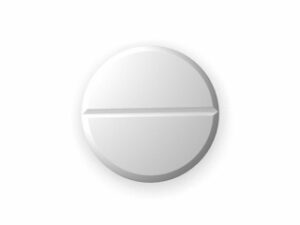
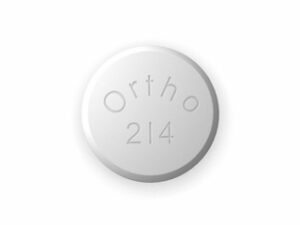
What it looks like / strengths: Fluconazole products come in different strengths and formulations. Your specific medicine’s packaging will show the exact dose (e.g., 50 mg, 100 mg, 150 mg or others), expiry date, and directions.
How it is classified: Fluconazole is a prescription-only medicine in the UK in most circumstances, but availability and product type may vary. Your UK online pharmacy listing will show the correct status and instructions for that product.
Who it is for: Adults and, in some cases, children—dose is determined by age, weight, infection type, and medical history.
How fluconazole works (mechanism of action)
Fungi need ergosterol to maintain a healthy cell membrane. Fluconazole blocks the fungal enzyme lanosterol 14α-demethylase (commonly referred to as CYP450-dependent). This prevents the fungus from making ergosterol, leading to impaired membrane formation and ultimately fungal death or slowed growth.
Because fluconazole targets a key step in fungal membrane synthesis, it is effective against many Candida species and some other yeasts and fungi.
Pharmacokinetics: how your body handles fluconazole
Pharmacokinetics describes how the medicine is absorbed, distributed, metabolised, and excreted.
- Absorption: Fluconazole is generally well absorbed after oral dosing, with consistent blood levels.
- Distribution: It distributes into body fluids and tissues, including saliva, vaginal tissues, and (in some infections) other body sites.
- Metabolism: Part of the dose is metabolised, mainly in the liver.
- Excretion: Most is eliminated through the kidneys (urine).
- Half-life: Fluconazole has a long half-life compared with many other antifungals, which is one reason it can be used as a once-daily or, for some conditions, a single dose regimen.
Why this matters: If you have kidney impairment, fluconazole may build up more than usual and the dose may need adjustment. If you have liver problems, extra monitoring and caution may be required.
What fluconazole is used for (indications)
Fluconazole may be used to treat or prevent fungal infections, depending on the exact diagnosis and severity. Common indications include:
- Vaginal candidiasis (vaginal thrush): Often due to Candida yeast overgrowth.
- Oral thrush (oropharyngeal candidiasis): White patches and soreness in the mouth.
- Oesophageal candidiasis: Thrush in the food pipe, typically associated with swallowing pain.
- Recurrent or complicated Candida infections: When infections keep returning or are more difficult to treat.
- Systemic fungal infections: Such as infections caused by certain yeasts, including some serious cases where specialist care is needed.
- Prevention in at-risk individuals: Sometimes used to reduce risk of fungal infection in people with specific medical conditions.
Important: The correct choice of antifungal and dose depends on the fungus suspected, the site of infection, and patient factors. Fluconazole may not be suitable for every fungal problem.
Typical dosing and timing
Dosing must be individualised. The following is general guidance on how timing often works, but always use the dosing instructions from your own medicine packaging and clinician advice.
Common regimens (examples)
- Vaginal thrush: Some adult regimens use one dose (often 150 mg), while others may use repeated dosing depending on symptoms and recurrence.
- Oral thrush: Often taken once daily for several days, depending on severity.
- More extensive Candida infections: Doses may be higher and/or treatment may last longer.
How to take it
- Take at the same time each day if you are prescribed a course.
- You can take fluconazole with or without food (see food interactions below for details).
- Swallow capsules/tablets whole with water unless your product instructions say otherwise.
- Keep taking for the full recommended period, even if symptoms improve early.
If you miss a dose
If you miss a dose and remember later the same day, take it when you remember. If it is nearly time for the next dose, skip the missed dose and continue as normal. Do not take a double dose.
Food interactions
Fluconazole can usually be taken with food. No major food restrictions are generally required. Because absorption is typically not significantly affected by food, you can choose a routine that’s easiest to follow.
Practical tip: If you get nausea, taking the dose with a meal or snack may feel more comfortable.
Alcohol and medicine interactions
Alcohol
There is no universal requirement to avoid alcohol completely with fluconazole, but caution is advised. Both alcohol and fluconazole can affect the body in ways that may increase the burden on the liver. To reduce risk:
- Limit alcohol during treatment, especially if treatment lasts several days or if you have liver disease.
- Avoid heavy drinking and seek advice if you notice unusual fatigue, dark urine, or yellowing of the skin/eyes.
Key medicine interactions
Fluconazole can interact with other medicines because it affects certain liver enzymes involved in drug metabolism. Some combinations can lead to higher levels of one or both medicines.
Examples of medicines that may interact (not exhaustive):
- Warfarin and other blood thinners: May increase bleeding risk by raising warfarin effect. Monitoring (INR) may be needed.
- Some medicines that affect heart rhythm (QT prolongation): The combination may increase the risk of abnormal heart rhythms.
- Some anti-epileptic medicines: Levels may be affected depending on which medicine is used.
- Oral antidiabetic medicines: Effects on blood sugar may change.
- Immunosuppressants (e.g., tacrolimus, ciclosporin): Fluconazole may raise levels.
- Other antifungals or drugs with similar metabolism pathways: Dose adjustments or monitoring may be required.
What to do: Tell your pharmacist/healthcare professional about all medicines and supplements you take, including herbal products and over-the-counter remedies. This reduces the chance of harmful interactions.
Safety profile and side effects
Like all medicines, fluconazole can cause side effects. Many people tolerate it well, but some reactions require medical attention.
Common side effects
- Nausea
- Headache
- Stomach upset or abdominal discomfort
- Diarrhoea
- Rash (sometimes)
Less common but important risks
- Liver problems: Rarely, fluconazole can cause liver injury. Seek urgent medical advice if you notice symptoms such as:
- Yellowing of the skin/eyes (jaundice)
- Dark urine
- Severe tiredness
- Persistent vomiting or right-sided upper abdominal pain
- Severe skin reactions: If you develop blistering, peeling skin, or widespread rash, get urgent help.
- Allergic reactions: Swelling of the face/lips, breathing difficulty, or severe rash requires urgent assessment.
- Heart rhythm effects: The risk is higher when combined with certain medicines or in people with particular heart conditions.
Who needs extra caution
- People with liver disease or elevated liver enzymes
- People with kidney impairment (dose adjustments may be needed)
- People taking multiple interacting medicines
- Pregnancy: Some dosing regimens are associated with different risk levels; discuss with a healthcare professional before use.
- Breastfeeding: Advice depends on dose and duration.
Practical use tips
- Identify the likely cause: Symptoms of thrush can resemble other conditions (e.g., bacterial vaginosis, skin irritation, sexually transmitted infections). If symptoms are unusual, severe, or recurrent, seek clinical advice.
- Complete the course: Yeast infections can improve quickly, but stopping early may increase the chance of return.
- Hygiene measures: Keep the affected area clean and dry. Avoid harsh soaps or douching, which can worsen irritation.
- Consider triggers: Diabetes, recent antibiotics, immune suppression, and poorly controlled blood sugar can increase recurrence.
- Don’t share medication: What works for one person may not be appropriate for another.
- Watch for “not improving” signs: If there is no improvement within the expected timeframe, or if symptoms return quickly, you may need reassessment and possibly a different treatment.
Alternatives to fluconazole
Depending on the type and location of fungal infection, alternatives include:
- Topical antifungals (e.g., for vaginal thrush): vaginal creams/pessaries such as clotrimazole or miconazole may be used.
- Other oral antifungals (for selected cases): such as itraconazole or posaconazole (often for more complex infections under specialist guidance).
- Amphotericin B: used for certain severe infections, typically in hospital settings.
- Nystatin: used for certain oral/skin fungal infections (formulation dependent).
Choosing an option: The “best” treatment depends on the fungus, infection site, severity, and your overall health and other medicines. A pharmacist or clinician can guide you to the most suitable product.
Market and legal context in the UK
In the United Kingdom, antifungal medicines are regulated by medicines legislation and guidance from health authorities. Fluconazole is commonly available through pharmacy channels and is subject to appropriate supply arrangements for safety.
Availability: Availability can vary by formulation and strength. Some products may be supplied following standard pharmacy assessment, while others may require clinician involvement depending on your situation.
Safety and compliance: Online pharmacies in the UK operate under regulatory expectations for identity verification, safe supply, and patient information. Always ensure your chosen pharmacy clearly displays:
- Clear product details (strength, form, dosage instructions)
- Safety information and contraindications
- Contact routes for pharmacy support
Recent guidance and clinical considerations (UK context)
Clinical practice for fungal infections in the UK continues to emphasise:
- Accurate diagnosis (to avoid mistreating non-fungal conditions).
- Appropriate duration (short courses for uncomplicated infections; longer regimens for more serious disease).
- Attention to drug interactions, because fluconazole can significantly interact with commonly used medicines (especially anticoagulants and certain cardiac medicines).
- Reviewing risk factors such as diabetes, immunosuppression, and recurrent infection.
If you have recurrent thrush (for example, frequent episodes of vaginal candidiasis or oral thrush), a healthcare professional may recommend additional assessment and targeted management to reduce recurrence.
Delivery and availability from a UK online pharmacy
When ordering fluconazole online in the UK, typical processes include:
- Order confirmation: Your pharmacy may ask screening questions to support safe supply.
- Dispatch: Orders are usually dispatched within 24–72 hours (timings vary by pharmacy and stock status).
- Delivery options: Many UK pharmacies offer standard and express delivery. Delivery times can depend on location and courier service.
- Packaging: Medicines are delivered in secure packaging with patient information and labelling.
Availability can vary: Some strengths or formulations may be more readily stocked than others. If a product is temporarily unavailable, your pharmacy may offer an alternative option or notify you.
FAQ — Fluconazole
1) What is fluconazole used for?
Fluconazole is used to treat fungal infections, most commonly Candida infections such as oral thrush and vaginal thrush, and it may also be used for more serious fungal infections depending on the diagnosis.
2) How quickly does fluconazole work?
Many people notice symptom improvement within a few days, but complete resolution can take longer. If there is no improvement within the timeframe you were given, or symptoms worsen, seek advice.
3) Can I take fluconazole with food?
Yes. Fluconazole can usually be taken with or without food. Taking it with food may help if you experience nausea.
4) Should I avoid alcohol completely?
It’s best to limit alcohol during treatment, particularly for longer courses or if you have liver issues. Heavy drinking increases risk. If unsure, ask a pharmacist.
5) What happens if I miss a dose?
Take it when you remember unless it’s close to the next dose. Don’t double up.
6) Can fluconazole be used for recurrent thrush?
Sometimes yes, but recurrent thrush often needs assessment of underlying causes (e.g., diabetes, immune factors, irritants, or frequent antibiotic use). A healthcare professional may recommend a prevention strategy after determining the cause.
7) Are there people who should not take fluconazole?
People with certain conditions (especially liver problems) or those taking medicines that interact strongly may need to avoid it or use it with close monitoring. Always disclose your full medicine list and medical history.
8) What side effects should worry me?
Seek urgent help for allergic reactions (swelling, breathing difficulty), severe rash, or signs of liver problems (yellowing of skin/eyes, dark urine, severe fatigue).
9) Does fluconazole interact with other medicines?
Yes. Fluconazole can interact with medicines including anticoagulants (e.g., warfarin), some heart rhythm medicines, and certain immunosuppressants. Always check with your pharmacist if you’re on regular medication.
10) Can I take fluconazole in pregnancy or while breastfeeding?
Use in pregnancy or breastfeeding should be discussed with a healthcare professional, as risk can depend on dose and the specific infection. Don’t start or change treatment without advice.
Summary
Fluconazole is an effective antifungal medicine used to treat a range of yeast infections, especially those caused by Candida. It works by interfering with fungal membrane formation and is generally well tolerated. Because it can interact with other medicines and may affect the liver, it’s important to take it correctly and inform your healthcare provider about any existing conditions and medications.
If you are unsure whether fluconazole is appropriate for your symptoms, or if you have recurrent or severe infection, speak to a pharmacist or clinician for tailored advice.